Honoring Our Parents: The Sacred Duty of Love
“And ye suffer him no more to do ought for his father or his mother;” — Mark 7:12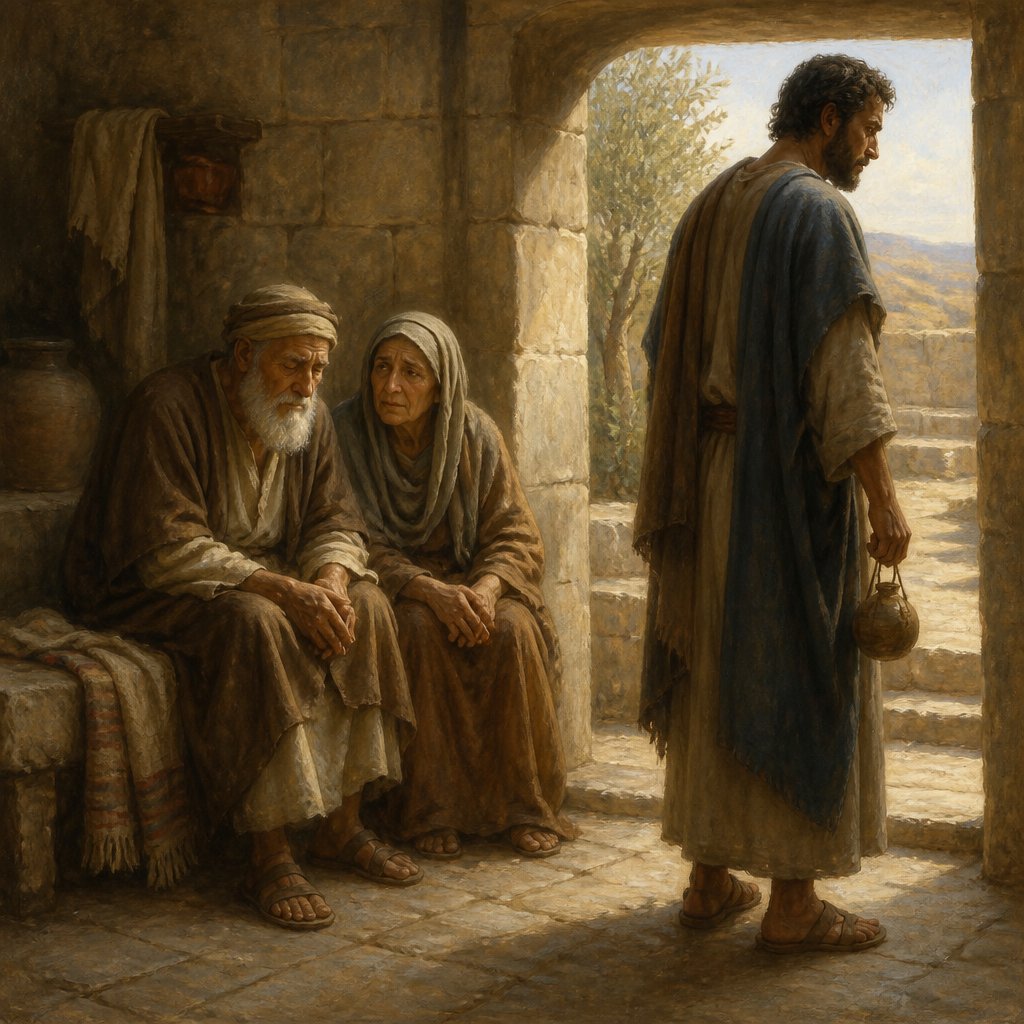
In Mark 7:12 (KJV), we encounter a striking statement made by Christ to the Pharisees: "And ye suffer him no more to do ought for his father or his mother;" This verse serves as a profound reminder of our obligations toward our parents and the sacred duty of love and respect that we hold towards them, a duty that can often be overshadowed by our interpretations of piety and religious observance.
The context of this verse is crucial. In this passage, Jesus is addressing the traditions of the Pharisees, specifically their practice of Corban — a tradition that allowed individuals to dedicate their resources to God, consequently freeing them from the responsibility of caring for their aging parents. This was seen as a religious duty, but it became a means to neglect the foundational commandment that God has given us: to honor our father and mother.
We often find ourselves at a crossroads in our lives, balancing our commitments, societal expectations, and faith. In our journeys of faith, we may inadvertently interpret our devotion to God in a way that disconnects us from the most direct applications of His commandments, particularly the ones that ask us to care for those closest to us. The ritualistic performance of religion can sometimes blind us to the basic responsibilities we have towards our families. How frequently do we choose church activities, personal preferences, or even our interpretation of faith over the imperative to honor our parents?
The fifth commandment, found in Exodus 20:12, instructs us to "Honor thy father and thy mother: that thy days may be long upon the land which the Lord thy God giveth thee." This commandment clearly outlines a divine expectation of respect and care for parents, linking it to the promise of longevity and prosperity. While traditions may provide a sense of worship, they must never come at the expense of fulfilling our obligations to the family unit.
The act of honoring our parents can manifest in various ways. It could mean providing for them in their old age, listening to their wisdom, spending time with them, or simply respecting their decisions and understanding their sacrifices. In a fast-paced world where individual pursuits often take precedence, taking the time to acknowledge and support our parents becomes increasingly vital. Our ability to care for them not only reflects our love but also our understanding of the divine commandment to uphold the family structure.
Furthermore, Mark 7:12 invites us to examine our own practices. Are there traditions or expectations in our lives that overshadow our duties towards our families? Are we using our commitments to God as an excuse to overlook those who have cared for us since our birth? This reflection challenges us to ensure that our religious fervor does not excuse a lack of practical love.
In a broader sense, this verse also speaks to a principle that transcends the familial structure – our responsibilities to one another in our communities. Just as we are to care for our parents, we are called to love and support each other in our communities. We must be vigilant, ensuring that in our service to God, we do not ignore the needs of those who depend on us. We should embody love in every act, honoring not just our parents, but all whom God places in our lives.
As we meditate on Mark 7:12, let us commit to a lifestyle that prioritizes honoring our parents while recognizing that our faith is demonstrated in how we treat those closest to us. May we seek to fulfill our familial obligations and ensure that our piety is reflected in our actions of love, service, and care for family and community. In doing so, we align ourselves with God’s heart and foster a foundation of love that speaks to our devotion to Him.
Get our apps


Artwork for Mark 7:12

Mark 7:12 - "And ye suffer him no more to do ought for his father or his mother;"
"And ye suffer him no more to do ought for his father or his mother;" - Mark 7:12

Exodus 12:7

Mark 12:8

Mark 12:8

Mark 15:12

Mark 13:7

Mark 13:7

Mark 8:7

Mark 13:7

mark 2:1-12

Mark 12:41 - 44
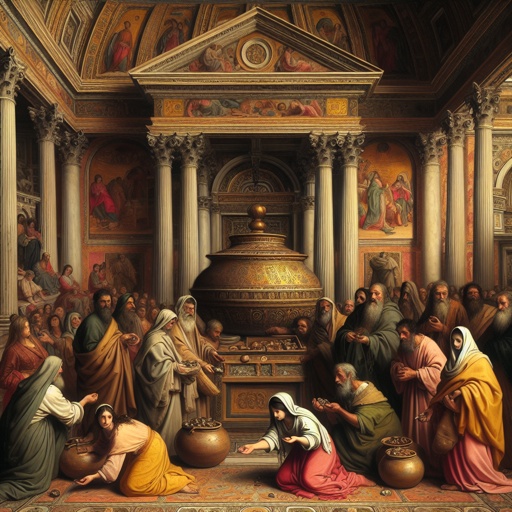
Mark 12:41 - 44
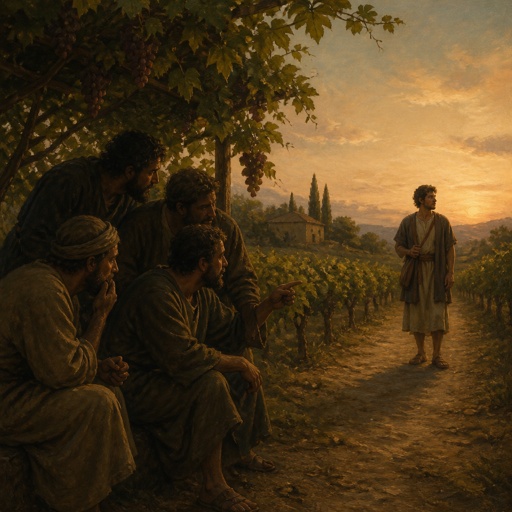
"But those husbandmen said among themselves, This is the heir; come, let us kill him, and the inheritance shall be our's." - Mark 12:7

Mark 12:41 - 44

Mark 2:1-12

Mark 12:41 - 44

Mark 12:41 - 44

Mark 7:7 - "Howbeit in vain do they worship me, teaching for doctrines the commandments of men."

Mark 12:11 - "This was the Lord's doing, and it is marvellous in our eyes?"

Mark 7:31-37

Mark 7:31-37

Mark 1:12 - "And immediately the Spirit driveth him into the wilderness."

Mark 12:39 - "And the chief seats in the synagogues, and the uppermost rooms at feasts:"
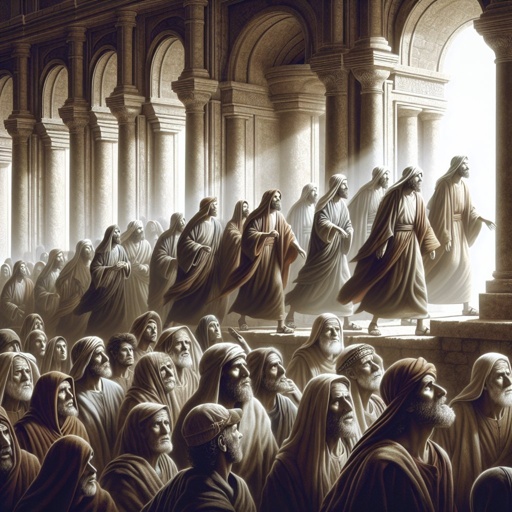
Mark 6:12 - "And they went out, and preached that men should repent."

Mark 3:12 - "And he straitly charged them that they should not make him known."

Mark 12:3 - "And they caught him, and beat him, and sent him away empty."

Mark 7:7 (KJVA) 7 Howbeit in vain do they worship me, teaching for doctrines the commandments of men.

Mark 7:7 (KJVA) 7 Howbeit in vain do they worship me, teaching for doctrines the commandments of men.

Acts 12:12 - "And when he had considered the thing, he came to the house of Mary the mother of John, whose surname was Mark; where many were gathered together praying."