Faith Beyond Boundaries: The Syrophenician Woman's Plea
“The woman was a Greek, a Syrophenician by nation; and she besought him that he would cast forth the devil out of her daughter.” — Mark 7:26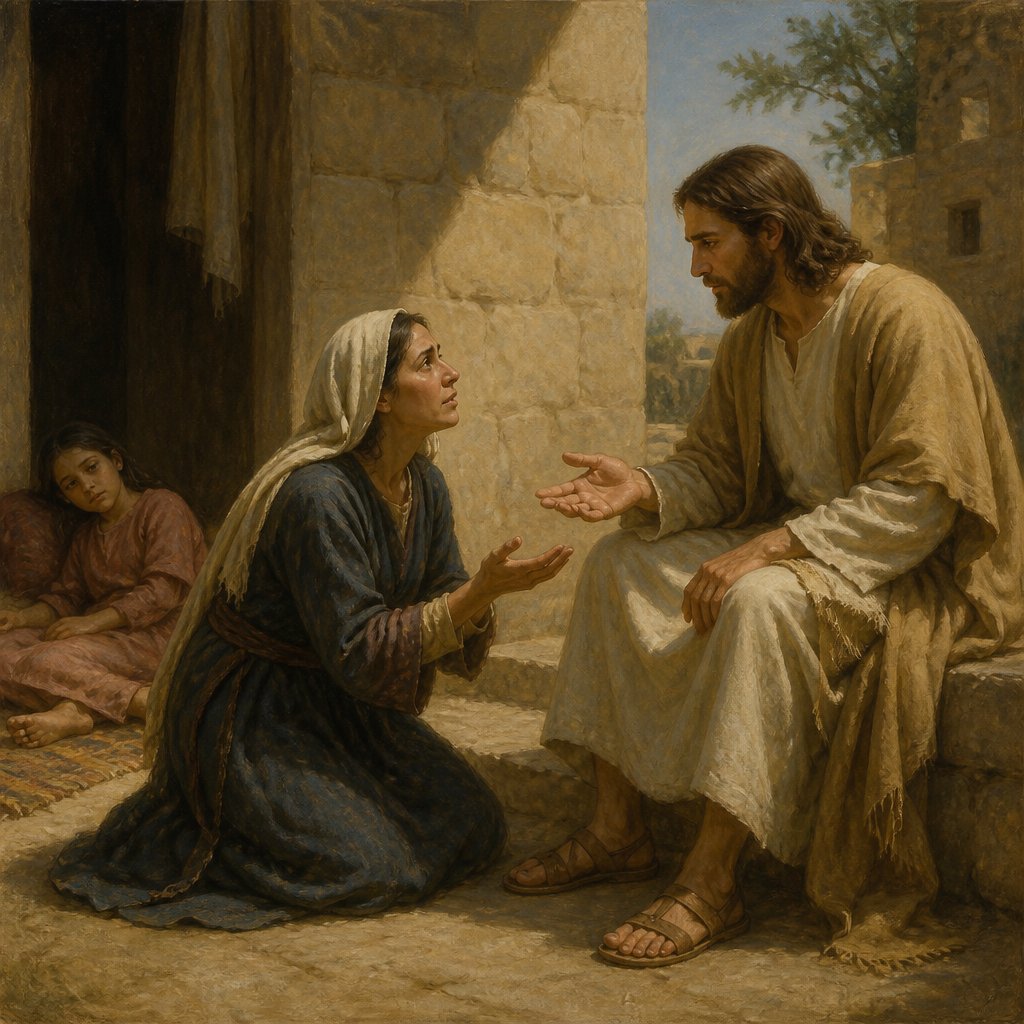
In the Gospel of Mark, specifically in Mark 7:26 (KJV), we encounter a poignant moment of desperation and unwavering faith: "The woman was a Greek, a Syrophenician by nation; and she besought him that he would cast forth the devil out of her daughter." This verse, while brief, is pregnant with meaning and reveals a manifold of truths about faith, boundaries, and the power of Jesus.
To truly appreciate this passage, we must first understand the context in which this Syrophenician woman found herself. She was a Gentile, belonging to a culture that was often marginalized and looked down upon by the Jewish people of Jesus' time. The Jews had a deep-seated animosity towards Gentiles, and within this cultural framework, this woman approached Jesus with tremendous boldness and courage. Her very identity as a Greek—specifically of Syrophenician descent—would have been a significant barrier, yet it was her love for her daughter that compelled her to overcome this hurdle.
The depth of her desperation is clear. She was not merely seeking assistance; she was beseeching. The Greek word used here for 'besought' implies earnestness and a fervent appeal to favor. This was a matter of life and death for her daughter, tormented by a devil. In her anguish, we see a reflection of many parents today who feel powerless when facing illness or adversity affecting their children. Her pain resonates across centuries, drawing us into a narrative that is as relevant now as it was then.
In her approach to Jesus, the Syrophenician woman exemplified a type of faith that is exceptionally noteworthy. She didn’t come with the privilege of ancestry or the confidence of cultural acceptance. Instead, she came with a raw, unrefined faith that recognized Jesus' authority and ability to heal. Her determination reflects a depth of belief that transcends cultural barriers. In a world where we often allow societal constructs to dictate our interactions, her actions remind us that genuine faith does not conform to traditional expectations.
The interaction with Jesus that follows her plea is compelling. Initially, Jesus responds with a statement that seems dismissive, saying, "Let the children first be filled: for it is not meet to take the children's bread, and to cast it unto the dogs" (Mark 7:27, KJV). Yet, far from being disheartened, the woman's reply showcases her great wisdom and humility: "Yes, Lord: yet the dogs under the table eat of the children's crumbs" (Mark 7:28, KJV). Here lies the revelation of her profound understanding—a recognition that even the smallest measure of Jesus’ grace was sufficient for her needs. Her faith did not waver in the face of apparent rejection; she adapted and pressed on, showing us the tenacity of true faith.
This encounter encapsulates a powerful lesson on the nature of faith itself. It is not about cultural belonging or societal acceptance but about the tenacity to reach out with expectation. The woman’s plea serves as a reminder that faith is often birthed in adversity. Her approach teaches us that the economy of God’s grace operates beyond human limitations. No one is excluded from the reach of His compassion and healing power when they approach Him in faith.
As we reflect on this story, we must ask ourselves: What barriers do we allow to limit our pursuit of Jesus? Are we willing to move beyond societal expectations, beyond our insecurities, and beyond our cultural boundaries to seek Him for what we and our loved ones need? May we adopt the heart of the Syrophenician woman, embracing a faith that is bold, persistent, and unwavering, regardless of our circumstances. Let us hasten to Jesus—not simply in our moments of need when we find ourselves crying, but with the expectant hope that He is more than able to meet us where we are and fulfill our deepest needs.
Get our apps


Artwork for Mark 7:26
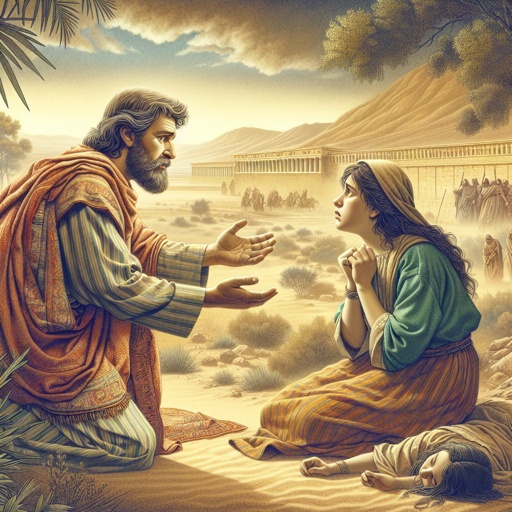
Mark 7:26 - "The woman was a Greek, a Syrophenician by nation; and she besought him that he would cast forth the devil out of her daughter."
"The woman was a Greek, a Syrophenician by nation; and she besought him that he would cast forth the devil out of her daughter." - Mark 7:26

Mark 15:26 - "And the superscription of his accusation was written over, THE KING OF THE JEWS."

Mark 14:26 - "¶ And when they had sung an hymn, they went out into the mount of Olives."

Mark 13:26 - "And then shall they see the Son of man coming in the clouds with great power and glory."
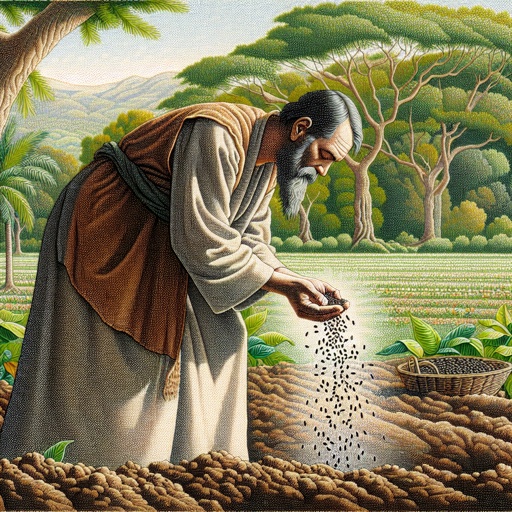
Mark 4:26 (KJVA) 26 And he said, So is the kingdom of God, as if a man should cast seed into the ground;

Mark 13:7

Mark 10:26 - "And they were astonished out of measure, saying among themselves, Who then can be saved?"

Mark 4:26 - "¶ And he said, So is the kingdom of God, as if a man should cast seed into the ground;"

Mark 13:7

Mark 8:7

Mark 13:7

Mark 3:26 - "And if Satan rise up against himself, and be divided, he cannot stand, but hath an end."

Mark 11:26 - "But if ye do not forgive, neither will your Father which is in heaven forgive your trespasses."

Mark 7:7 - "Howbeit in vain do they worship me, teaching for doctrines the commandments of men."

Mark 7:31-37

Mark 7:31-37

Mark 1:26 - "And when the unclean spirit had torn him, and cried with a loud voice, he came out of him."

Proverbs 7:26

Mark 8:26 - "And he sent him away to his house, saying, Neither go into the town, nor tell it to any in the town."

Mark 6:26 - "And the king was exceeding sorry; yet for his oath's sake, and for their sakes which sat with him, he would not reject her."

Mark 5:26 - "And had suffered many things of many physicians, and had spent all that she had, and was nothing bettered, but rather grew worse,"

Mark 7:7 (KJVA) 7 Howbeit in vain do they worship me, teaching for doctrines the commandments of men.

Mark 7:7 (KJVA) 7 Howbeit in vain do they worship me, teaching for doctrines the commandments of men.

Mark 7:7 (KJVA) 7 Howbeit in vain do they worship me, teaching for doctrines the commandments of men.

Mark 7:7 (KJVA) 7 Howbeit in vain do they worship me, teaching for doctrines the commandments of men.
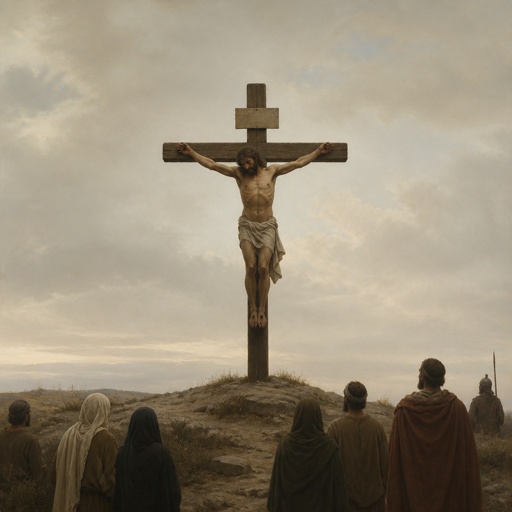
"And the superscription of his accusation was written over, THE KING OF THE JEWS." - Mark 15:26

Proverbs 7:26-27

Mark 9:26 - "And the spirit cried, and rent him sore, and came out of him: and he was as one dead; insomuch that many said, He is dead."

Mark 7:7 (KJVA) 7 Howbeit in vain do they worship me, teaching for doctrines the commandments of men.