The Weight of Tradition: A Call Back to God's Commandments
"And he said unto them, Full well ye reject the commandment of God, that ye may keep your own tradition." - Mark 7:9
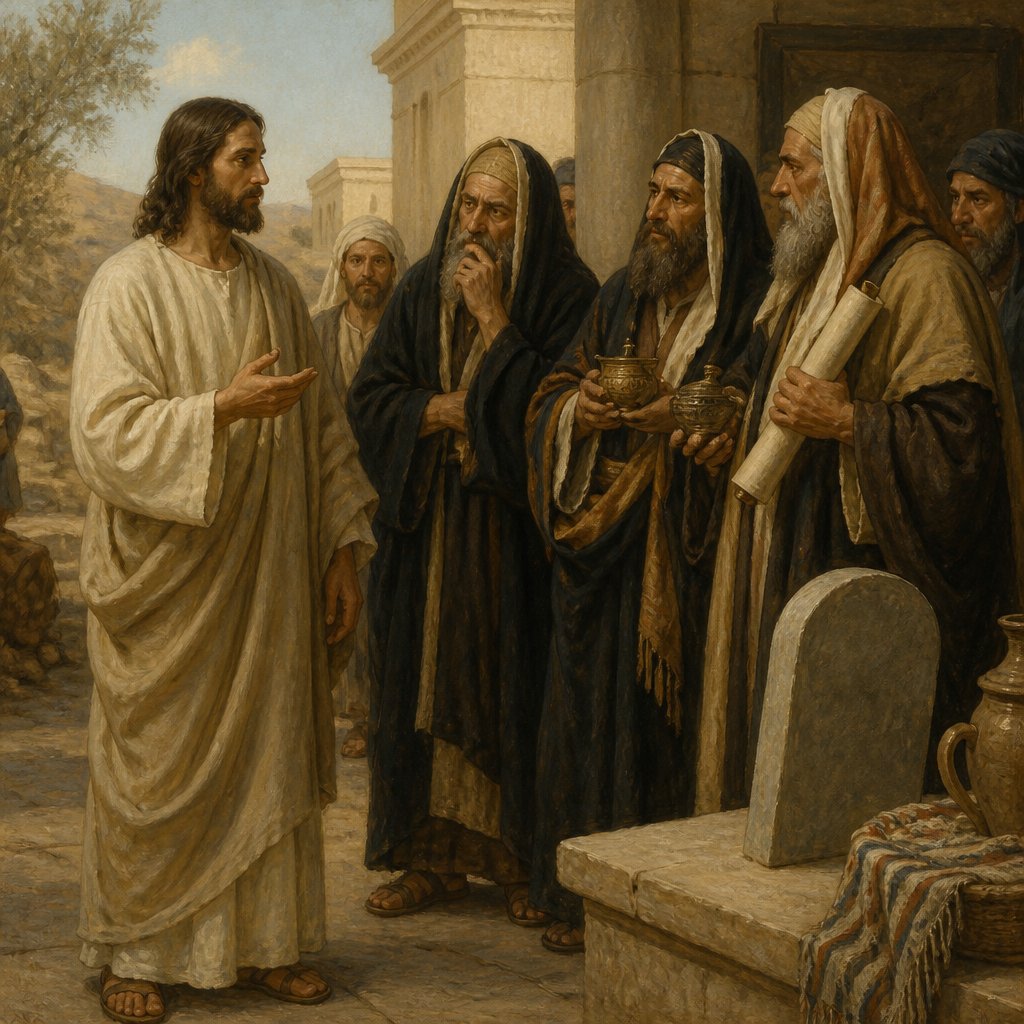
In Mark 7:9, Jesus confronts a critical issue within the hearts of His listeners: "And he said unto them, Full well ye reject the commandment of God, that ye may keep your own tradition." This sharp rebuke of the Pharisees and scribes underscores a profound truth that resonates even today: the tendency to prioritize human traditions over divine commandments can lead to spiritual blindness and disobedience.
As we explore this verse, we see Jesus sharply distinguishing between the sacred and the secular, the divine directive and human precepts. The context of this statement is vital. Jesus is addressing the religious leaders who had elevated their oral traditions—rules intended to guide righteous living—to a position of authority that overshadowed God's commandments. They had transformed their traditions into laws, creating a burden that neither they nor the people could bear. In doing so, they negated the pure and sovereign guidelines laid down by God, replacing them with man-made regulations.
Traditions can serve valuable roles in our lives; they can foster community, enhance worship, and provide structure. However, when these traditions are allowed to supersede the commands of God, they become detrimental. This is particularly alarming when those traditions are mistaken for genuine faithfulness to God’s word. As believers, we must reflect on our lives: are there areas where our personal beliefs, church practices, or family traditions take precedence over God's explicit commands?
In their zeal, the Pharisees claimed to serve God, but their hearts were far from Him. They had meticulously crafted a vision of piety that focused on outward behavior while neglecting the inner transformation that God desires (see Matthew 15:8-9). Jesus’ comments in Mark are a call for self-examination, urging us to discern if we might also be clinging to traditions that hinder our relationship with God.
One of the most challenging aspects of this reality is that traditions often feel comfortable and familiar. They can be entrenched within our methods of worship, our routines, and even our theology. It is easy to slip into a rhythm where tradition becomes synonymous with faithfulness. However, when we adhere to traditions at the expense of God’s commandments, we compromise our spiritual integrity.
We must ask ourselves: are we more concerned with maintaining a habit of faith or fostering a living relationship with God? Are we exerting energy to hold tightly to our traditions rather than pursuing a deeper and more authentic obedience to His Word? Perhaps our prayers have become ritualistic, our worship has turned into mere performance, or our fellowship has become an obligation rather than a sacred gathering.
Let us consider Jesus’ own example. He frequently challenged the status quo established by religious tradition. He associated with the marginalized, emphasized love over ritual, and prioritized mercy over sacrifice (see Matthew 9:13). He lived out the very essence of God’s commandments, encapsulated beautifully by the summation of the Law: love the Lord your God and love your neighbor as yourself (Mark 12:30-31).
The tension between tradition and commandment invites each of us into a deeper conversation with God. It challenges us to actively seek His heart in our practices. It beckons us to reconsider how we interact with God and His people in our traditions. May we strive not to reject His commandments but to align our lives in accordance with His word.
In our prayer life, let’s invite the Holy Spirit to reveal any areas of traditionalism in our hearts that might overshadow His truth. Seek wisdom and understanding to discern the timeless truths of Scripture from the cultural practices we may inadvertently prioritize. In doing so, let’s hold firm to the commandment of God—joyfully embracing His teachings—aiming to live out our faith genuinely, powerfully reflecting His love and grace in a world that desperately needs it.
Want to reflect more on Mark 7:9?
Continue your spiritual journey with Bible Chat — an AI-powered tool for exploring God's Word through conversation. Ask questions, discover connections, and deepen your understanding.
Get Our Apps


Mark 7:9 Artwork

Mark 7:9 - "And he said unto them, Full well ye reject the commandment of God, that ye may keep your own tradition."
"And he said unto them, Full well ye reject the commandment of God, that ye may keep your own tradition." - Mark 7:9

Mark 9:7 - "And there was a cloud that overshadowed them: and a voice came out of the cloud, saying, This is my beloved Son: hear him."

Mark 9:7 – "Then a cloud appeared and covered them, and a voice came from the cloud: 'This is my Son, whom I love; listen to him!'"

Mark 9:7 – "Then a cloud appeared and covered them, and a voice came from the cloud: 'This is my Son, whom I love; listen to him!'"

Mark 9:2 Show only 4 people Show a mountain area According to Mark 9:2

Mark 2:9

Mark 9:2 Show only 4 people and one of them is Jesus Show a mountain area According to Mark 9:2
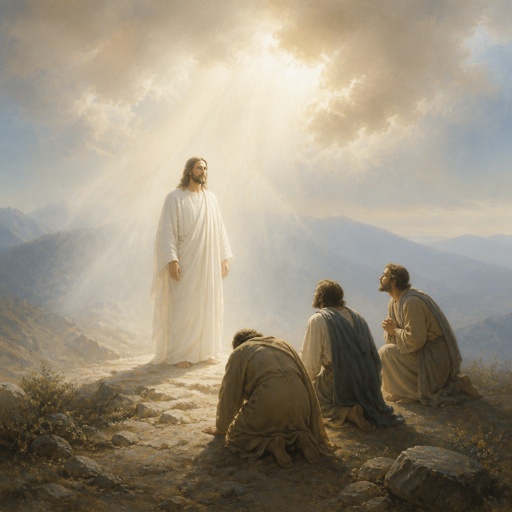
"And there was a cloud that overshadowed them: and a voice came out of the cloud, saying, This is my beloved Son: hear him." - Mark 9:7

Mark 9:38

Mark 2:9

Mark 13:7

Mark 13:7

Mark 8:7

Mark 13:7

Mark 9:36-37

Mark 7:7 - "Howbeit in vain do they worship me, teaching for doctrines the commandments of men."

Mark 7:31-37

Mark 7:31-37

Mark 9:48 - "Where their worm dieth not, and the fire is not quenched."

Mark 6:9 - "But be shod with sandals; and not put on two coats."

Mark 9:40 - "For he that is not against us is on our part."

Mark 9:46 - "Where their worm dieth not, and the fire is not quenched."

Mark 9:44 - "Where their worm dieth not, and the fire is not quenched."

Mark 9:32 - "But they understood not that saying, and were afraid to ask him."

african american mary magdalene, mark 16: 9

Mark 9:16 - "And he asked the scribes, What question ye with them?"

Mark 9:6 - "For he wist not what to say; for they were sore afraid."

Mark 7:7 (KJVA) 7 Howbeit in vain do they worship me, teaching for doctrines the commandments of men.

Mark 7:7 (KJVA) 7 Howbeit in vain do they worship me, teaching for doctrines the commandments of men.