In the Shadow of the Master: Embracing Our Place as Disciples
"The disciple is not above his master, nor the servant above his lord." - Matthew 10:24
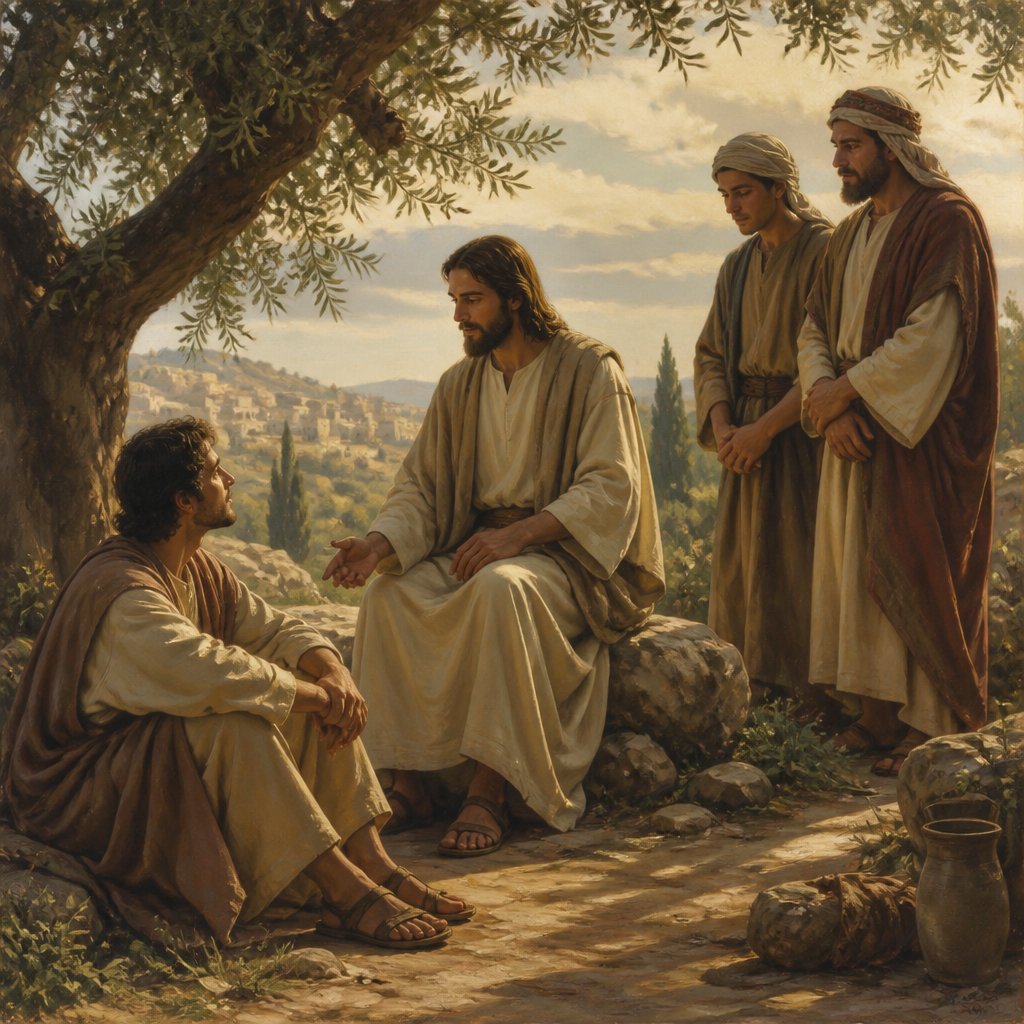
In reading Matthew 10:24, "The disciple is not above his master, nor the servant above his lord," we find profound insight into the nature of discipleship and the fundamental relationship between a teacher and their pupil. This verse encapsulates the essence of a believer's journey—recognizing our role in relation to Christ and understanding the implications of following Him.
To fully appreciate this verse, we must examine the context in which it was spoken. Jesus was preparing His disciples for the arduous journey of ministry. He was sending them out, offering them the authority to heal the sick, raise the dead, and cast out unclean spirits. Yet along with this power came a stark reality: they were to be followers first, learners under the guidance of their master. Jesus was openly communicating the nature of their calling—an invitation not just to perform miracles, but to embrace the very heart of servanthood.
In Jesus’ society, the master-servant dynamic was extremely significant. The role of the master was to teach, guide, and provide for his servants, whereas the servants were to diligently learn and serve. Thus, when Jesus states that the disciple is not above his master, He invites His followers to understand their position. Following Jesus means accepting our place, which is under His teachings and authority. It is a call to humility.
To be a disciple of Christ means to recognize that our lives will imitate His. Just as the master faced trials, He endured persecution and rejection, discouragement and denial, His disciples can expect no less. In fact, throughout the Gospels, Jesus highlights the cost of discipleship. He tells us we will face hardships just as He did, ultimately summoning us to carry our cross (Matthew 16:24). If the master suffered, the disciple must face the same fate, even if it means sacrifice and endurance in the face of trials.
Moreover, this awareness leads us away from a culture of entitlement that sometimes seeps into our faith. In our society, we often seek to elevate ourselves; we crave recognition, accolades, and authority. Yet in the Kingdom of God, the path to greatness often winds through servanthood. Jesus Himself, the Bible tells us, washed the feet of His disciples (John 13:1-17), demonstrating that true mastery resides in a heart of service and humility. His example challenges us to embrace a lifestyle that is less about being served and more about serving others.
Understanding that we are not above our master frees us from the burdens of pride and self-assertion. Jesus calls us into a relationship where leadership is defined by servanthood, where our responsibility is to reflect His character in all we do. It reshapes our ambitions, aligning them with His will for our lives. In a world that often pushes us towards self-promotion and self-reliance, we are reminded that true discipleship begins in submission to one who knew no sin and modeled perfect obedience to the Father.
The blessings of being a disciple are profound. While hardships may be part of our journey, so too are the gifts of grace and the joy of knowing Christ deeply and personally. We learn not only from His victories but also from His trials. As He guides us through the valleys, we are reassured that our sufferings have a purpose—to mold us into vessels of His love. This brings us to a place where we can joyfully say, "If the Master has walked this path before me, I will follow trustingly, knowing He is with me every step of the way."
Thus, as we meditate on this powerful verse, let us take to heart the challenge to accept our role as humble disciples. May we approach our master with respect, with a longing to learn, and an eagerness to serve. In doing so, we not only follow His lead, but we also reflect the heart of Christ to a world desperately in need of His love.
Want to reflect more on Matthew 10:24?
Continue your spiritual journey with Bible Chat — an AI-powered tool for exploring God's Word through conversation. Ask questions, discover connections, and deepen your understanding.
Get Our Apps


Matthew 10:24 Artwork

Matthew 10:24 - "The disciple is not above his master, nor the servant above his lord."

Matthew 10:24 “A disciple is not above his teacher, nor a servant above his master.
"The disciple is not above his master, nor the servant above his lord." - Matthew 10:24

Matthew 24:10 - "And then shall many be offended, and shall betray one another, and shall hate one another."

Matthew 10:2-4…Matthew 10:2-4 New International Version 2 These are the names of the twelve apostles: first, Simon (who is called Peter) and his brother Andrew; James son of Zebedee, and his brother John; 3 Philip and Bartholomew; Thomas and Matthew the tax collector; James son of Alphaeus, and Thaddaeus; 4 Simon the Zealot and Judas Iscariot, who betrayed him.

Matthew 10:2-4…Matthew 10:2-4 New International Version 2 These are the names of the twelve apostles: first, Simon (who is called Peter) and his brother Andrew; James son of Zebedee, and his brother John; 3 Philip and Bartholomew; Thomas and Matthew the tax collector; James son of Alphaeus, and Thaddaeus; 4 Simon the Zealot and Judas Iscariot, who betrayed him.
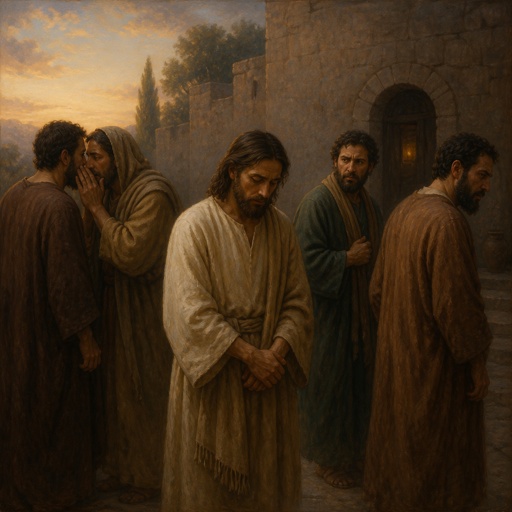
"And then shall many be offended, and shall betray one another, and shall hate one another." - Matthew 24:10

Matthew 24:35

Matthew 24:35

Matthew 24:35

Matthew 24:35

Matthew 24:35

Matthew 24:35

Matthew 24:35

Matthew 24:35

Matthew 24:35

Matthew 24:35

Matthew 24:27

Matthew 24:15

Matthew 6:24

Matthew 24:8

Matthew 6:24

Matthew 6:24

Matthew 6:24

Matthew 24:8 - "All these are the beginning of sorrows."

Matthew 24:30-31

Matthew 24:30-31

Matthew 24:30-31

Matthew 24:30-31

Matthew 24:30-31