The Peril of Misplaced Judgment
"But when the Pharisees heard it, they said, This fellow doth not cast out devils, but by Beelzebub the prince of the devils." - Matthew 12:24
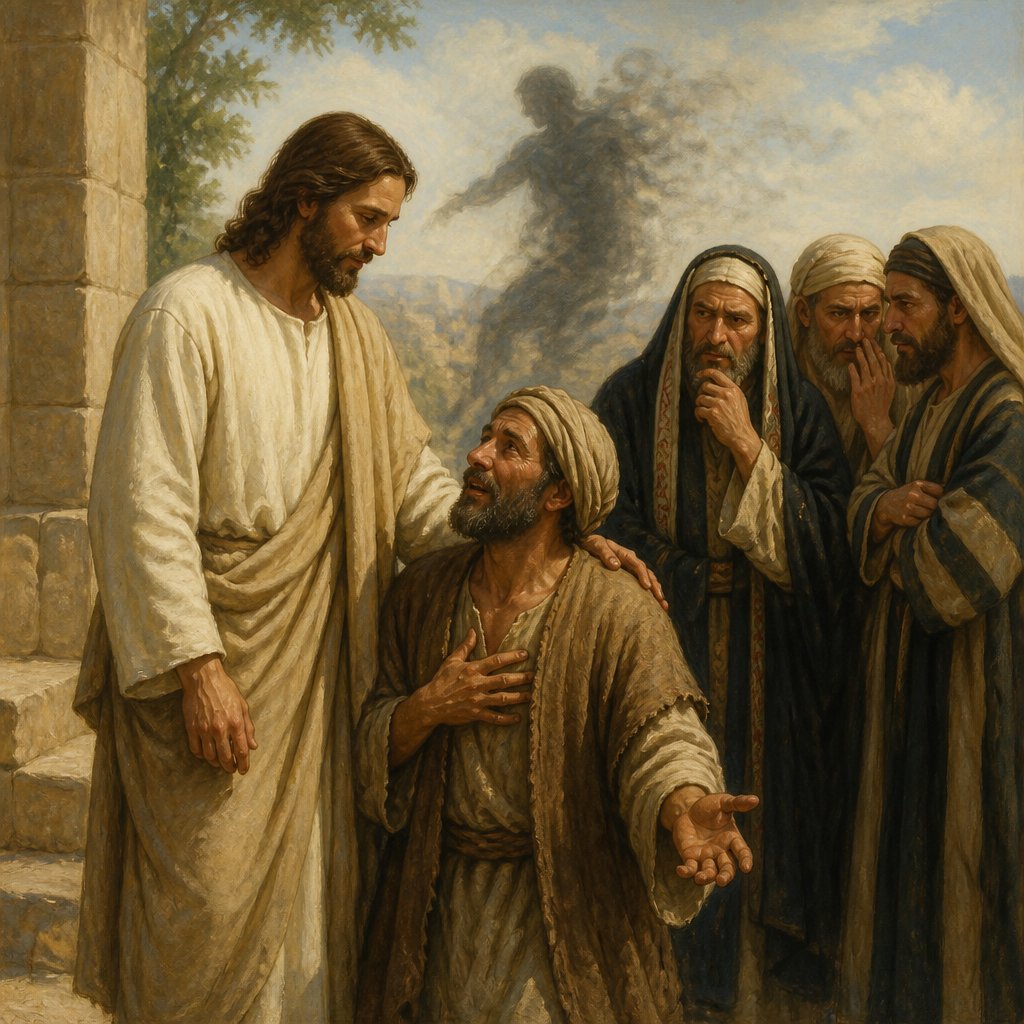
Matthew 12:24 presents a striking insight into human nature and the dangers of suspicion and false judgment: "But when the Pharisees heard it, they said, This fellow doth not cast out devils, but by Beelzebub the prince of the devils."
In this verse, the context surrounds significant events in the ministry of Jesus Christ. He had just performed a miracle, healing a man possessed by a demon who was both blind and mute (Matthew 12:22). The obvious reaction should have been one of awe and celebration among the people. However, the Pharisees, entrenched in their antagonism towards Jesus, chose to respond with accusations and skepticism. This incident illustrates a profound truth about human reaction to the miraculous when it contradicts deeply-held beliefs or religious practices.
The Pharisees were the religious leaders of the Jewish people, custodians of the Law, and perceived as the authority on holy matters. Their spirits were hardened by pride and a desire to maintain their status, often at the expense of recognizing God’s work among them. They witnessed undeniable miracles yet attributed the power behind those miracles to Beelzebub, the prince of devils. Herein lies the peril of misplaced judgment: spiritual blindness.
To understand the severity of their statement, we must delve into the meaning of Beelzebub and the implications of their accusation. Beelzebub, often understood as the lord of flies, was associated with unclean spirits and evil practices. By claiming that Jesus cast out demons by the authority of Satan, the Pharisees were not merely denying His miracle; they were labeling the Holy Spirit’s work as demonic. This act of blasphemy against the Holy Spirit (Matthew 12:31) is not an innocent mistake but a conscious rejection of the divine truth, a point of no return.
Jesus responds to their accusation mindfully and powerfully in the following verses, illustrating the absurdity of their claim: "And Jesus knew their thoughts, and said unto them, Every kingdom divided against itself is brought to desolation; and every city or house divided against itself shall not stand" (Matthew 12:25). He clarifies that a kingdom cannot function if it is against itself—it is a simple principle with deep implications. The power that Jesus wielded to heal and to cast out demons was fundamentally a declaration of the Kingdom of God breaking into the world. The Pharisees, in their blindness, declared war on what was in fact the flourishing of God's kingdom instead of recognizing Christ as its king.
Now, let us take pause to apply this lesson to our hearts. The Pharisees’ reaction teaches us that it is possible to become so entrenched in our understanding of faith or doctrine that we fail to recognize and celebrate God’s work—even when it happens right before our eyes. We might cling to traditions or interpretations that shut the door on the new and progressive ways the Holy Spirit moves today.
As believers, we are called to be discerning yet open-hearted. We must hold our judgments lightly and approach God’s workings in humility. When we encounter expressions of faith that challenge our constructed frameworks of understanding—be it worship styles, outreach programs, or ministries—it is vital that we examine our hearts for the subtle inclinations of judgment that the Pharisees exhibited.
Prayerfully asking the Lord for discernment allows us to recognize God’s hand wherever it appears, equipping us to side with love and understanding rather than suspicion and division. We should strive to be like the faithful servant who does not cast judgment but rather encourages unity in the face of differences, understanding that the work of God might not always fit our expectations.
In conclusion, let us heed the warning of Matthew 12:24 and cultivate a heart of worship, characterized by openness to God’s ways and a spirit that recognizes His work within the broader body of Christ. If we respond to Jesus in faith and obedience, we will continue to experience the fullness of His transformative power in our lives.
Want to reflect more on Matthew 12:24?
Continue your spiritual journey with Bible Chat — an AI-powered tool for exploring God's Word through conversation. Ask questions, discover connections, and deepen your understanding.
Get Our Apps


Matthew 12:24 Artwork

Matthew 12:24 - "But when the Pharisees heard it, they said, This fellow doth not cast out devils, but by Beelzebub the prince of the devils."

"But when the Pharisees heard it, they said, This fellow doth not cast out devils, but by Beelzebub the prince of the devils." - Matthew 12:24

Matthew 24:12 - "And because iniquity shall abound, the love of many shall wax cold."

James 1:2-4

James 1: 2-4

Joel 1:2-4, 13-20
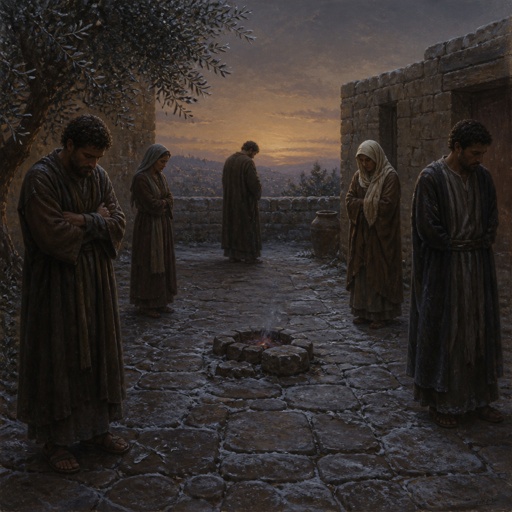
"And because iniquity shall abound, the love of many shall wax cold." - Matthew 24:12

Matthew 24:35

Matthew 24:35

Matthew 24:35

Matthew 24:35

Matthew 24:35

Matthew 24:35

Matthew 24:35

Matthew 24:35

Matthew 24:35

Matthew 24:35

Matthew 24:27

Matthew 24:15

Matthew 6:24

Matthew 24:8

Matthew 6:24

Matthew 6:24

Matthew 6:24

2 Samuel 1:2-4 David is shocked the man is scared image in color

2 Samuel 1:2-4 David is shocked the man is scared image in color

Matthew 24:8 - "All these are the beginning of sorrows."

Matthew 24:30-31

Matthew 24:30-31

Matthew 24:30-31