Sowing by the Wayside: Lessons in the Parable of the Sower
"And when he sowed, some seeds fell by the way side, and the fowls came and devoured them up:" - Matthew 13:4
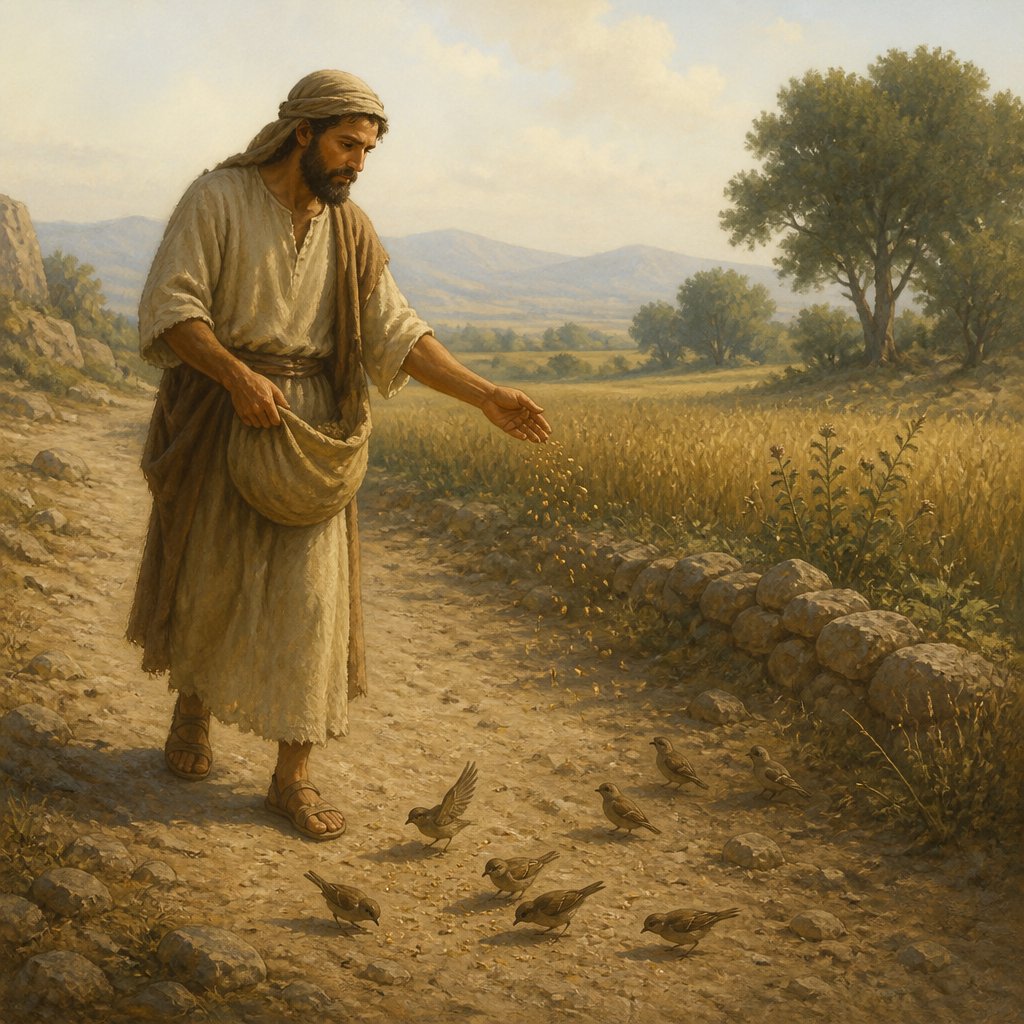
Matthew 13:4 states, "And when he sowed, some seeds fell by the way side, and the fowls came and devoured them up." This verse opens a profound dialogue about our spiritual lives and the environments in which we grow. It surfaces within Jesus’ parable of the sower, where He illustrates the different responses to the gospel message through the metaphor of seed falling on varied types of ground.
The imagery of seeds being sown can be seen as a representation of God's word being scattered throughout the world. These seeds symbolize the potential for growth, healing, and transformation. However, the focus here is on the seeds that fell by the wayside, which metaphorically represents those who hear the Word of God but do not allow it to take root. The 'wayside' symbolizes an environment that is not conducive for growth; it is hard, trampled upon, and uncultivated.
In this parable, we see the immediate results of seeds that fall by the wayside—"the fowls came and devoured them up." The fowls in this context represent distractions and the forces that are constantly at work to steal away the truth before it can penetrate the heart. Just as birds quickly snatch up seeds that lie exposed on the ground, the adversary of our souls, often referred to as Satan, seeks to snatch away the Word before it can germinate and produce fruit in our lives.
The reason for the scattering of seeds is crucial here. In agriculture, a farmer does not restrict himself to only the perfect soil when sowing seeds; there is an understanding that some will fall away, and yet they sow with faith nonetheless. This depicts the heart of a generous God who gives abundantly and seeks to reach all, regardless of the present heart condition. Our response to His Word determines whether it takes root, and in numerous occasions, the soil of our hearts resembles that of the wayside.
Reflection on our own lives invites us to ask, "What condition is my heart in?" Perhaps we have experienced times when the Word of God was presented to us, yet we rejected it or allowed it to be consumed by worldly worries, distractions, or temptations. The wayside represents a heart hardened by life’s experiences, indifference, or scepticism towards faith. The challenge is to examine the factors that prevent us from internalizing God’s Word and allowing it to change us.
Moreover, it is essential to recognize the importance of tilling our hearts—preparing them to receive the Word. The process of breaking up hard ground is painful but necessary for spiritual fruitfulness. This can involve hardship, repentance, or simply opening our hearts to God’s transformative work. When we allow the Holy Spirit access to our hearts, we create fertile ground for the seed of God’s truth.
The parable also highlights the urgency of evangelism. Even if we see some of our efforts falling by the wayside, we must remember that the final outcome is in God’s hands. Our role is to sow the seeds of faith generously. Each seed bears inherent potential, yet not every one will sprout immediately or at all. We must trust that God will use our feeble attempts to touch lives, even if we do not see results immediately.
As we meditate on Matthew 13:4, let us take a moment to pray for our hearts. Ask God to reveal any hardness that may exist and help us become receptive soil for His word. Let us not grow weary in doing good and share His message with those around us, recognizing that each seed could be the one that brings forth a harvest in the right season. Remember that we are not just the sowers; we are also called to be good soil.
Want to reflect more on Matthew 13:4?
Continue your spiritual journey with Bible Chat — an AI-powered tool for exploring God's Word through conversation. Ask questions, discover connections, and deepen your understanding.
Get Our Apps


Matthew 13:4 Artwork

Matthew 13:4 - "And when he sowed, some seeds fell by the way side, and the fowls came and devoured them up:"
"And when he sowed, some seeds fell by the way side, and the fowls came and devoured them up:" - Matthew 13:4

Matthew 4:13 - "And leaving Nazareth, he came and dwelt in Capernaum, which is upon the sea coast, in the borders of Zabulon and Nephthalim:"

Matthew 13

Matthew 8:13

Matthew 8:13

Matthew 8:13

Matthew 13

Matthew 7:13-14

Matthew 7:13-14

Matthew 7:13-14

Matthew 7:13-14

Matthew 7:13-14

Matthew 7:13-14

Matthew 7:13-14

Matthew 7:13-14

Matthew 7:13-14

Matthew 7:13-14

Matthew 7:13-14

Matthew 2:13

Matthew 7:13
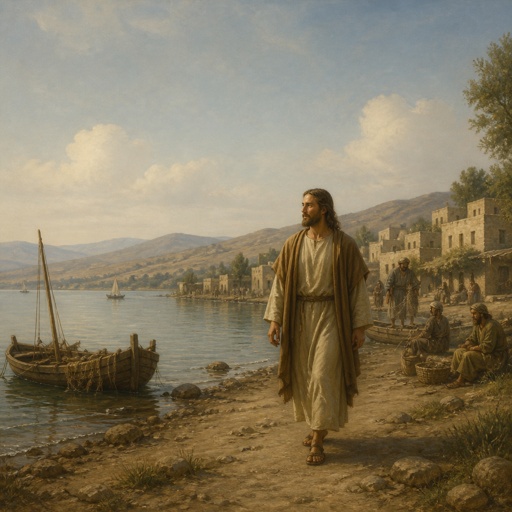
"And leaving Nazareth, he came and dwelt in Capernaum, which is upon the sea coast, in the borders of Zabulon and Nephthalim:" - Matthew 4:13

Matthew 13:8

Matthew 2:13

Matthew 19:13

Matthew 6:13

Matthew 7:13-14

Matthew 7:13-14

Matthew 7:13-14

Matthew 7:13-14