Tradition vs. Commandment: A Heart of Honor
"And honour not his father or his mother, he shall be free. Thus have ye made the commandment of God of none effect by your tradition." - Matthew 15:6
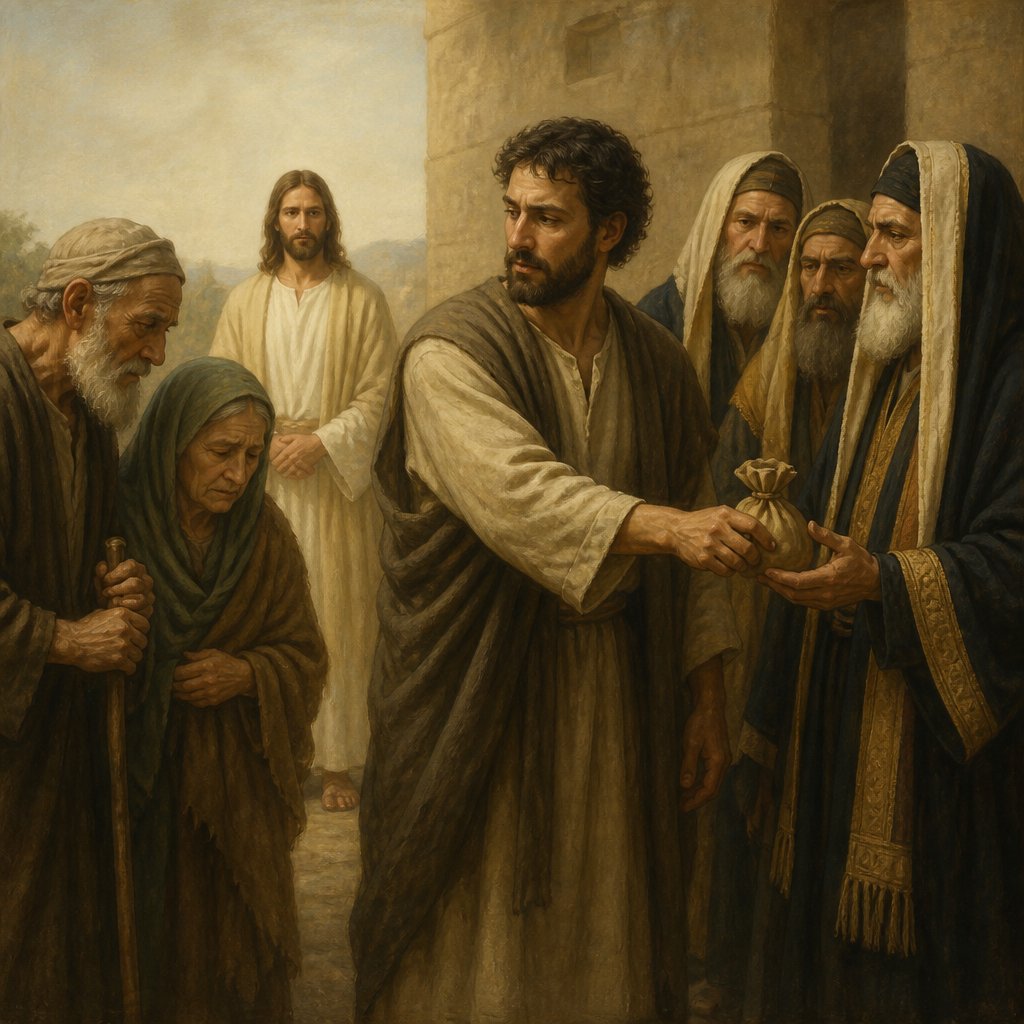
In Matthew 15:6, Jesus confronts an ongoing conflict between the sacred command of God and the traditions that had crept into Jewish society. The verse states: "And honour not his father or his mother, he shall be free. Thus have ye made the commandment of God of none effect by your tradition." This statement by Jesus reveals a profound truth about the relationship between human traditions and divine commandments, urging us to examine our own lives and belief systems critically.
At the core of this message is the commandment to honor our parents, a directive that carries significant weight throughout Scripture. In Exodus 20:12, the Lord commands, "Honour thy father and thy mother: that thy days may be long upon the land which the Lord thy God giveth thee." This commandment is not merely a suggestion; it is a divine mandate that establishes the family foundation as a cornerstone of society. Honor towards parents encapsulates respect, submission, and love, often extending into our responsibilities towards the elderly and authority in general.
Yet, in this passage, we see Jesus pointing out that certain traditions had undermined this commandment. The Pharisees and Scribes had created a loophole where individuals could declare their wealth or resources as "Corban" (a gift dedicated to God), which effectively released them from their obligation to assist their aging parents. This was a stark deviation from God's intention for familial responsibility and community care. It illustrates how easily traditions can be exalted above the commandments of God, distorting His will and purpose.
As believers, we need to be vigilant against the subtle ways traditions can replace commandments. Each of us should ask ourselves: what traditions do we hold that may inadvertently lead us to dishonor our parents or the principles that the Bible sets forth? For example, in the contemporary church, do we prioritize the structure of our services or the adherence to denominational practices over the genuine care for our spiritual families? Are we more concerned about following the latest trends than we are about showing honor and love to those who deserve it?
Jesus’ words compel us to consider the weight of our actions. When traditions overshadow God’s commands, we ultimately claim freedom, but it's a false freedom—one that leads us away from true obedience. In doing so, we nullify God's commandments in our lives, distorting truth to serve our self-made rules. The challenge lies in continually aligning our practices with the heart of God’s word, ensuring they promote honor and love rather than legalism.
Studying this passage also leads us to reflect on our understanding of honor. To honor our parents does not always mean we agree with them or their choices; it means recognizing their God-given position in our lives. We are called to show respect and value, even when our relationships may be strained or complex. In doing so, we imitate Christ, who demonstrated ultimate honor and submission to His own Father, even unto death.
In a world that increasingly devalues authority and familial bonds, we must resist the cultural pressures to diminish parental roles. Instead, embracing the command to honor allows us to cultivate deeper love and gratitude. Reflect today on how you can better fulfill this commandment in your own life. Are there conversations you need to have? Are there expressions of love that have been long overdue?
As we navigate through life, may we heed the words of Jesus and be intentional about honor, refusing to let our traditions nullify the commandments of God. Let us create a legacy of respect in our families, recognizing that any freedom from obligation must not come at the cost of disobedience to our Creator.
Want to reflect more on Matthew 15:6?
Continue your spiritual journey with Bible Chat — an AI-powered tool for exploring God's Word through conversation. Ask questions, discover connections, and deepen your understanding.
Get Our Apps


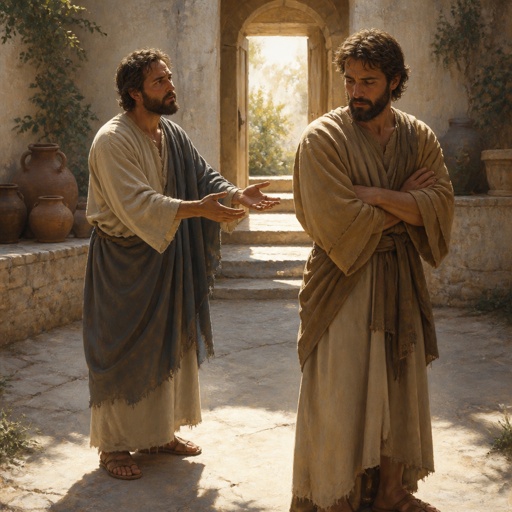
Matthew 15:6 Artwork
Matthew 15:6 - "And honour not his father or his mother, he shall be free. Thus have ye made the commandment of God of none effect by your tradition."
"And honour not his father or his mother, he shall be free. Thus have ye made the commandment of God of none effect by your tradition." - Matthew 15:6

Luke 6:15 - "Matthew and Thomas, James the son of Alphaeus, and Simon called Zelotes,"

Matthew 6:15 - "But if ye forgive not men their trespasses, neither will your Father forgive your trespasses."

matthew 15 matthew 15:10
"Matthew and Thomas, James the son of Alphaeus, and Simon called Zelotes," - Luke 6:15
"But if ye forgive not men their trespasses, neither will your Father forgive your trespasses." - Matthew 6:15

Matthew 6:6

Matthew 6:14-15 - "For if you forgive other people when they sin against you, your heavenly Father will also forgive you. But if you do not forgive others their sins, your Father will not forgive your sins."

Matthew 26:15

Matthew 26:15

Matthew 15:23

Matthew 24:15

Matthew 15:15 - "Then answered Peter and said unto him, Declare unto us this parable."

Matthew 5:15

Matthew 15:23

Matthew 5:15

Matthew 6:23

Matthew 17:14-15

Matthew 15 : 1-20

Matthew 18:6

Matthew 6:34

Matthew 18:6

Matthew 6:18

Matthew 6:14

Matthew 6:22

Matthew 6:24

Matthew 6:30

Matthew 6:22

Matthew 6:5