The Hidden Influence: Beware of the Leaven
“Then Jesus said unto them, Take heed and beware of the leaven of the Pharisees and of the Sadducees.” — Matthew 16:6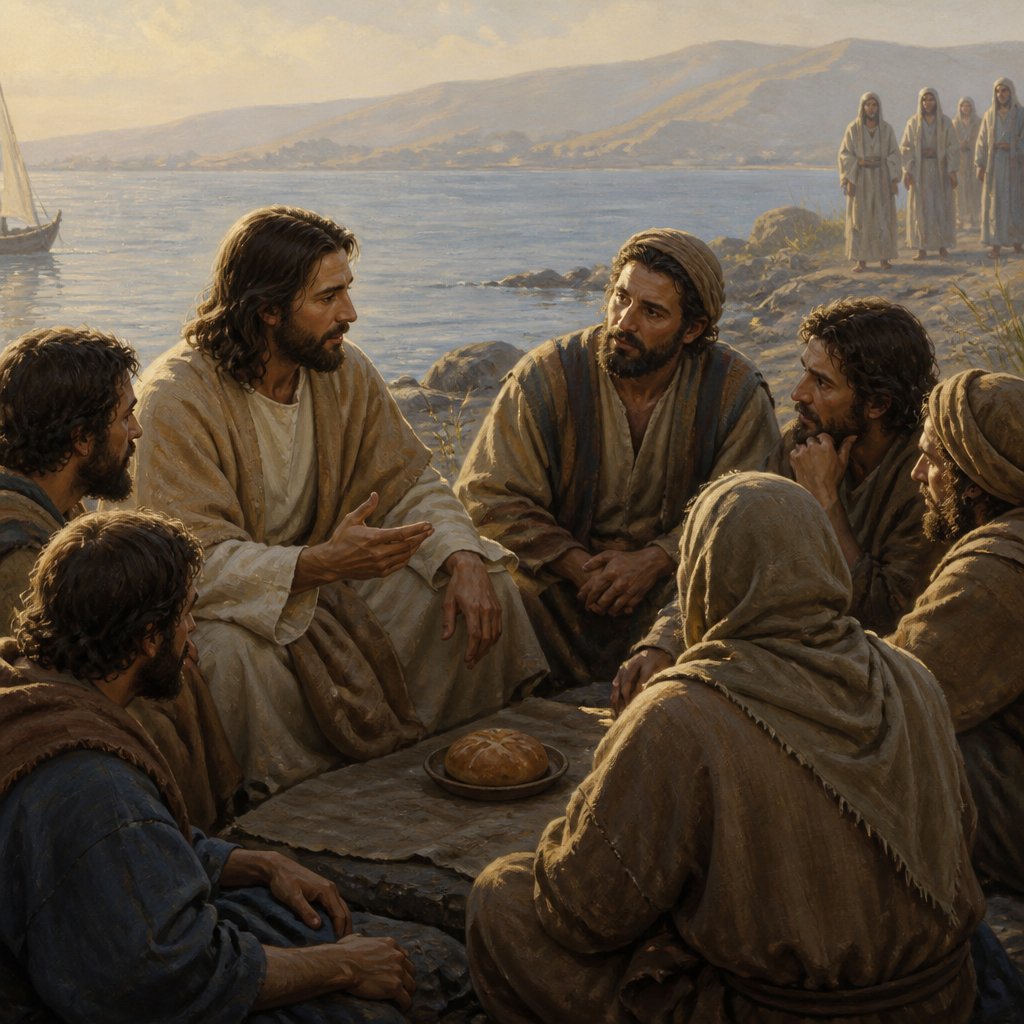
In Matthew 16:6, Jesus cautions His disciples with these words: "Then Jesus said unto them, Take heed and beware of the leaven of the Pharisees and of the Sadducees." This statement, though simple, carries profound implications for the spiritual life of every believer.
The context surrounding this verse is significant. Jesus and His disciples are amidst a journey where they encounter the teachings and behaviors of the religious leaders of the time—the Pharisees and Sadducees. Each group represents a distinctive theological stance. The Pharisees were known for their strict adherence to the Law and traditions, often to the point of hypocrisy. In contrast, the Sadducees were more aligned with the political powers and denied the resurrection, demonstrating a more rationalistic approach to faith. Together, they symbolize a pervasive influence that can subtly infiltrate one’s belief system, affecting how one perceives and lives out the faith.
Leaven, in biblical terms, is a powerful metaphor for influence. Just as a small amount of leaven can affect an entire loaf of bread, so too can erroneous beliefs or practices influence the mind and heart of a believer. In this verse, Jesus calls His disciples to "take heed"—literally to be on guard or to pay close attention. This is not a mere suggestion but a strong exhortation highlighting the necessity of vigilance in the face of deceptive teachings.
The danger of the leaven of the Pharisees and Sadducees is that it often masquerades as truth. The Pharisees, with their emphasis on works and law, can lead us to a place of self-righteousness, where our relationship with God becomes transactional rather than relational. We can begin to believe that our adherence to rules and ceremonies somehow earns us favor with God. This can cultivate a spirit of judgmentalism towards others and an ever-present fear of failure or inadequacy in our relationship with God.
On the other hand, the Sadducees may encourage a pragmatic approach to faith, one that dismisses the miraculous and reduces God to a convenient figure who supports our agendas. This mindset can cause us to live with a perspective limited by human understanding, neglecting the truths of Scripture that surpass our rational capabilities. In essence, both groups represent ways of thinking that can dilute the pure gospel message.
Jesus’s instruction to beware compels us to examine our spiritual lives. Are there beliefs, practices, or influences we’ve allowed entry that don’t align with the core truths of the Gospel? It calls us to engage in a self-examination of what we believe and who we allow to speak into our lives. It’s a profound reminder to consider the sources from which we gather our spiritual nourishment. Are they rooted in the fullness of Scripture, or are they tainted by human traditions and interpretations?
Moreover, Jesus’s warning also nudges us to cultivate a discerning heart. 1 John 4:1 encourages us, saying, "Beloved, believe not every spirit, but try the spirits whether they are of God." This is a continual and active process that involves prayer, studying Scripture, and seeking wise counsel. Discerning spirits means understanding the motives and teachings behind what we hear and see, ensuring they align with the character and truth of Christ.
In the hustle and bustle of daily life, it's easy for the subtle leaven of unbiblical influences to creep in unnoticed. Therefore, the exhortation to take heed must be a daily practice. We are not called to simply accept teachings without question or allow cultural norms to redefine our understanding of God’s Word.
Ultimately, our spiritual health depends on the purity of our beliefs. Let us commit to being vigilant, ensuring that our faith is grounded in the life-giving truth of Christ, lest we unknowingly accept the leaven that could compromise our journey. As we heed the words of Jesus, may His Spirit equip us to stand firm against external influences, empowering us to embrace a faith that is authentic, transformational, and rooted in His eternal truth.
Get our apps


Artwork for Matthew 16:6

Matthew 16:6 - "¶ Then Jesus said unto them, Take heed and beware of the leaven of the Pharisees and of the Sadducees."
"¶ Then Jesus said unto them, Take heed and beware of the leaven of the Pharisees and of the Sadducees." - Matthew 16:6

Matthew 6:16 - "¶ Moreover when ye fast, be not, as the hypocrites, of a sad countenance: for they disfigure their faces, that they may appear unto men to fast. Verily I say unto you, They have their reward."

Matthew 6:6

Matthew 3:16

Matthew 3:16

Matthew 3:16

Matthew 16:25

Matthew 16:16 - "And Simon Peter answered and said, Thou art the Christ, the Son of the living God."

Matthew 6:23

Matthew 19:16-17

Matthew 18:6

Matthew 6:34

Matthew 6:34

Matthew 18:6

Matthew 6:22

Matthew 6:18

Matthew 6:22

Matthew 6:14

Matthew 6:24

Matthew 6:30

Matthew 6:5

Matthew 27:16 - "And they had then a notable prisoner, called Barabbas."

Matthew 6:24

Matthew 6:2

Matthew 6:2

Matthew 6:2

Matthew 6:34

Matthew 6:13

Matthew 6:18