The Freedom of the Children: A Reflection on Matthew 17:26
“Peter saith unto him, Of strangers. Jesus saith unto him, Then are the children free.” — Matthew 17:26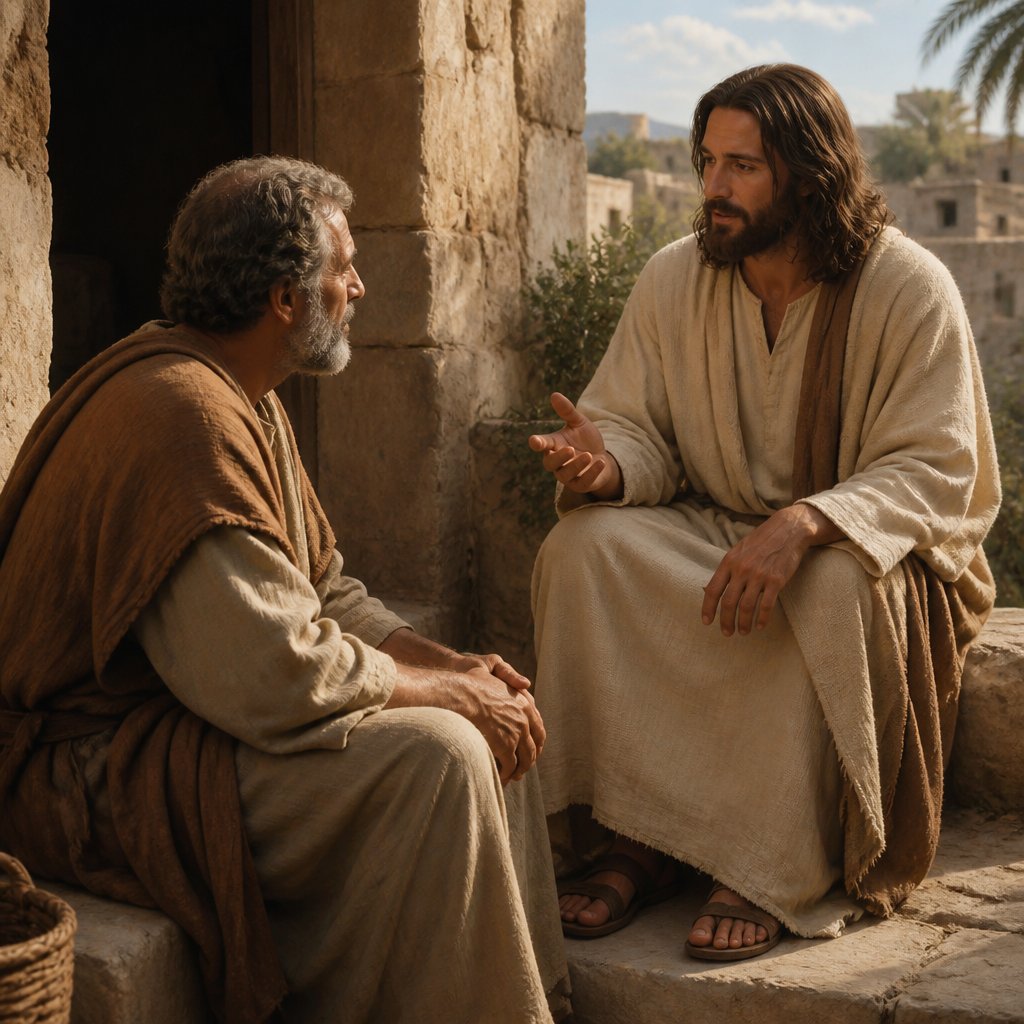
In the narrative captured in Matthew 17:26, we encounter a situation where Peter, the beloved disciple, is approached by tax collectors who inquire whether Jesus pays the temple tax. Peter responds affirmatively, but immediately, an enlightening conversation ensues when Peter returns to Jesus. The dialogue provides us with profound insights into our identity and status as children of God. The verse reads: "Peter saith unto him, Of strangers. Jesus saith unto him, Then are the children free."
At first glance, this exchange might seem trivial, relevant only to the cultural context of tax obligations in biblical times. However, it scratches the surface of a much deeper theological truth exploring the status of believers and their relationship with God. The phrase "Of strangers" implies that those who are not part of the household — in this case, the children of the King — are obligated to pay taxes for the services they require. Yet, Jesus counters this notion with a groundbreaking declaration: "Then are the children free."
Reflecting on the freedom described in this verse, we recognize that it is a freedom rooted in our identity as children of God. Jesus uses this situation to convey a spiritual truth — while the world functions under prescribed laws and obligations, those who belong to God's kingdom operate under a different principle: the principle of grace. This is a reminder that physical and legal obligations do not bind the spiritual house of God.
When Jesus refers to the children being free, He highlights the privilege and freedom that come with being part of God's family. In Christ, we receive not just a title but also an inheritance as heirs of the kingdom. Freedom in Christ means liberation from the weight of legalism, sin, and condemnation. Paul writes about this freedom in Galatians 5:1, urging believers to stand firm in the freedom that Christ has set us free from slavery.
However, true freedom in Christ is not merely the absence of obligation; it is the presence of a new identity and purpose. When we understand that we are children of God, our lives begin to reflect that truth. We are no longer constrained by the heavy yoke of striving to earn favor; rather, we operate in love, charity, and righteousness because of the anointing and empowerment of the Holy Spirit that comes with our new status.
This relationship also brings with it an understanding of responsibility. While we enjoy freedom, we also recognize that our lives should bring glory to God. Just as Jesus paid the temple tax not to be a stumbling block to others (as He could have chosen not to), we too are called to live with consideration for those around us, even when we possess the right to do otherwise. This balance between freedom and responsibility is essential, for our actions speak to the world about the nature of God.
Moreover, this verse is a reminder to delve deeper into our understanding of God’s kingdom. When we acknowledge that we are children, we are also adopted into a royal lineage, inheritors of the promises laid out in Scripture. As children of God, we understand that we serve a King who is supreme over all earthly powers, including those that impose constraints and duties upon us.
Let us dwell on the richness of being free children of the Almighty. Let this truth penetrate our hearts and inform our interactions with the world around us. Let us continue to explore what it means to live as free children — not taking the grace of God for granted but standing in it with humility and responsibility.
As you meditate on this truth today, reflect on how you will walk in your identity as a child of God, free from the bonds that once held you. Ask the Lord to help you live in the fullness of this freedom, embracing both the privileges and responsibilities that come with being part of His family.
Get our apps


Artwork for Matthew 17:26
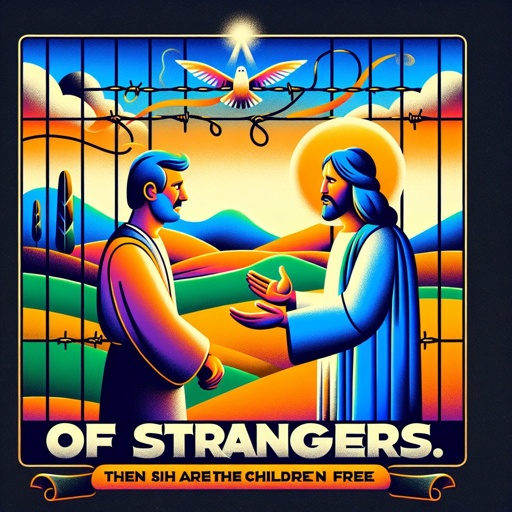
Matthew 17:26 - "Peter saith unto him, Of strangers. Jesus saith unto him, Then are the children free."
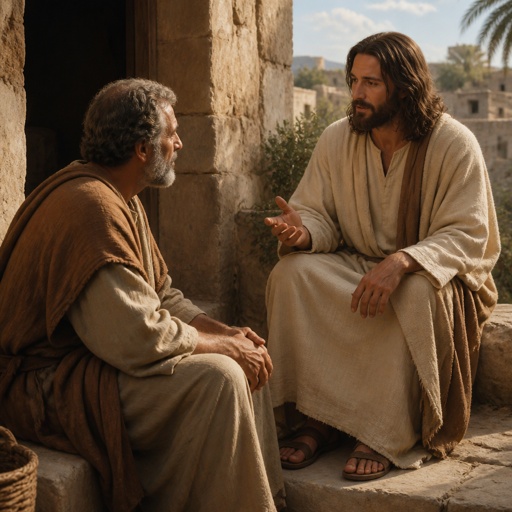
"Peter saith unto him, Of strangers. Jesus saith unto him, Then are the children free." - Matthew 17:26

Matthew 26:17 - "¶ Now the first day of the feast of unleavened bread the disciples came to Jesus, saying unto him, Where wilt thou that we prepare for thee to eat the passover?"

Matthew 26:25

Matthew 26:15

Matthew 19:26

Matthew 26:15

Matthew 27:26

Matthew 17:17-18

Matthew 27:26

Matthew 26:53

Matthew 26:65

Matthew 26:41

Matthew 26:53

Matthew 17:17-18

Genesis 17-26
Matthew 10:26-33

Matthew 26:26 - "¶ And as they were eating, Jesus took bread, and blessed it, and brake it, and gave it to the disciples, and said, Take, eat; this is my body."

Matthew 6:17

Matthew 17:20

Hechos 5, 17-26

Luke 5:17-26

Matthew 17:20

Matthew 22:26 - "Likewise the second also, and the third, unto the seventh."

Matthew 9:26 - "And the fame hereof went abroad into all that land."

Matthew 26:54 - "But how then shall the scriptures be fulfilled, that thus it must be?"

Matthew 26:6 - "¶ Now when Jesus was in Bethany, in the house of Simon the leper,"

Matthew 26:4 - "And consulted that they might take Jesus by subtilty, and kill him."

Matthew 26:5 - "But they said, Not on the feast day, lest there be an uproar among the people."

Matthew 26:16 - "And from that time he sought opportunity to betray him."