The Pursuit of Eternal Life: A Call to Godly Righteousness
“And, behold, one came and said unto him, Good Master, what good thing shall I do, that I may have eternal life? And he said unto him, Why callest thou me good? there is none good but one, that is, God: but if thou wilt enter into life, keep the commandments.” — Matthew 19:16-17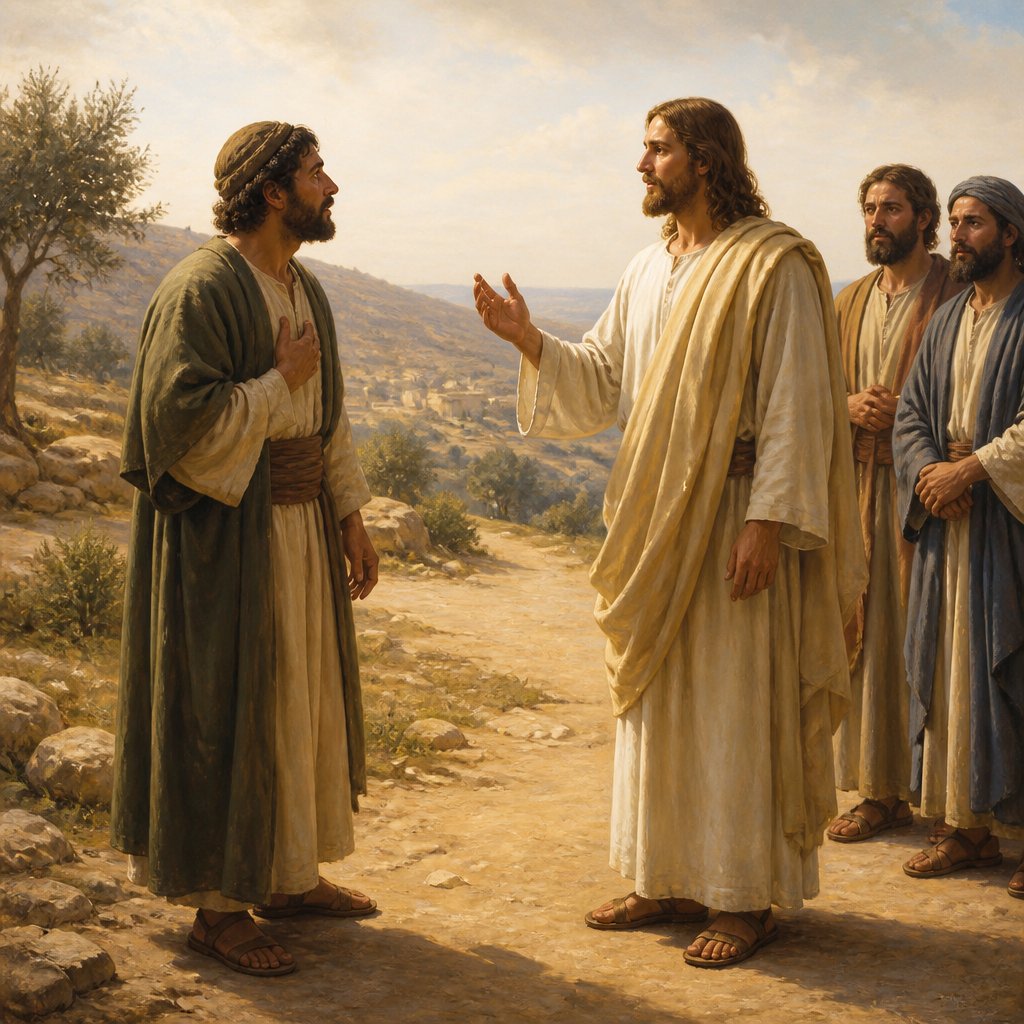
In the gospel of Matthew, we encounter a profound interaction between Jesus and a young man, one that dives deep into our understanding of goodness, righteousness, and the pursuit of eternal life. Matthew 19:16-17 states:
"And, behold, one came and said unto him, Good Master, what good thing shall I do, that I may have eternal life? And he said unto him, Why callest thou me good? there is none good but one, that is, God: but if thou wilt enter into life, keep the commandments."
In this passage, we witness a powerful engagement that begins with the young man's earnest inquiry about eternal life. This is a question of utmost significance—not merely a philosophical pursuit, but a deep longing for spiritual fulfillment and security in the age to come. When he addresses Jesus as "Good Master," he inadvertently opens up a conversation about the nature of goodness.
Jesus, with His discerning wisdom, redirects the young man's focus from Himself to God, stating, "Why callest thou me good? there is none good but one, that is, God.” Here, Jesus is not denying His divinity; rather, He confronts the young man’s understanding of goodness. In doing so, Jesus emphasizes the holiness of God and the unattainable standard of goodness that exists outside of human capability. By acknowledging that only God is truly good, Jesus invites the young man—and us—into introspection about our nature and our need for a Savior.
This raises an essential consideration for all who seek eternal life: What does it mean to be ‘good’? In our human understanding, 'good' may often be equated with deeds—acts of kindness, charity, or law-keeping. However, Jesus illustrates that real goodness transcends mere actions; it is about alignment with God's commandments and heart. The distinction between human goodness and divine perfection necessitates a humble approach to our spiritual walk.
The young man’s question reflects a common concern: What must I do? This ‘doing’ mindset is deeply rooted in humanity’s desire to achieve, to earn, and to validate one’s worthiness of eternal life. But Jesus challenges this notion, directing the young man’s attention towards the commandments. "But if thou wilt enter into life, keep the commandments." This directive underscores obedience to God’s law as the foundation of righteous living.
The commandments, however, are not just a set of legalistic rules but a revelation of God’s character and His expectations of His people. They point to a relationship, a guideline for living in accordance with God’s will.
Yet, the young man’s quest doesn't end here. He remains unaware of the deeper implications of 'keeping the commandments.' In his prideful quest for righteousness, he may have believed he had already fulfilled this requirement. This narrative echoes our times; we often measure our worthiness through self-defined metrics of moral conduct.
But Jesus knows the heart. He knows that perfect obedience is impossible for fallen humanity. No matter how hard we strive, we cannot achieve the righteousness that comes from the law alone. As Paul later illustrates in Romans 3:10, "As it is written, There is none righteous, no, not one." This brings us to an essential truth: our ultimate hope for eternal life lies not in our ability to adhere to the law but in recognizing our need for grace and redemption through Christ.
As we meditate on Matthew 19:16-17, let us acknowledge the holiness of God and the standard of goodness that is set before us. Let us reflect on our obedience to His commandments—not as a means to earn favor but as a response to His love and goodness. In doing so, we cultivate a humble heart, one that grasps the gravity of our reliance on Jesus, the embodiment of goodness.
So today, I challenge you to consider your own pursuits of goodness and righteousness. Are you seeking to do things to earn God's approval, or are you willingly surrendering to the commands of Christ in response to His love? Eternal life is not a product of our works but a gift extended to us through Jesus Christ. Let us strive to 'keep the commandments' as a reflection of our love for Him, recognizing that in our pursuit of goodness, we find grace, hope, and the secure promise of eternal life.
Get our apps


Artwork for Matthew 19:16-17

Matthew 19:16-17

Matthew 19:16-17 - "Just then a man came up to Jesus and asked, “Teacher, what good thing must I do to get eternal life?” “Why do you ask me about what is good?” Jesus replied. “There is only One who is good. If you want to enter life, keep the commandments.”"
"Just then a man came up to Jesus and asked, “Teacher, what good thing must I do to get eternal life?” “Why do you ask me about what is good?” Jesus replied. “There is only One who is good. If you want to enter life, keep the commandments.”" - Matthew 19:16-17

Matthew 17:16 - "And I brought him to thy disciples, and they could not cure him."

Matthew 17:19 - "Then came the disciples to Jesus apart, and said, Why could not we cast him out?"

"And I will give unto thee the keys of the kingdom of heaven: and whatsoever thou shalt bind on earth shall be bound in heaven: and whatsoever thou shalt loose on earth shall be loosed in heaven." - Matthew 16:19

Matthew 19:16 - "¶ And, behold, one came and said unto him, Good Master, what good thing shall I do, that I may have eternal life?"

Matthew 19:17 - "And he said unto him, Why callest thou me good? there is none good but one, that is, God: but if thou wilt enter into life, keep the commandments."
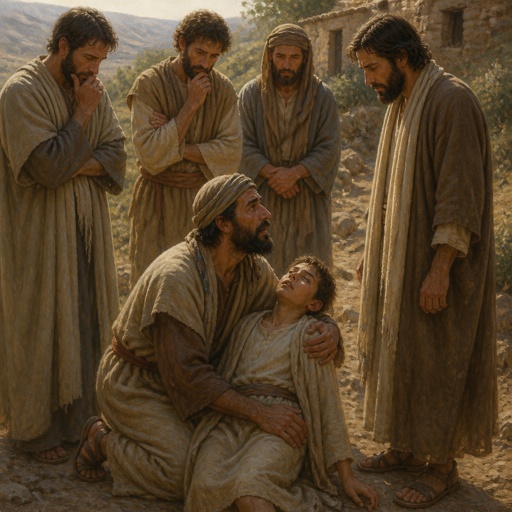
"And I brought him to thy disciples, and they could not cure him." - Matthew 17:16

"Then came the disciples to Jesus apart, and said, Why could not we cast him out?" - Matthew 17:19

Matthew 16:17 - "And Jesus answered and said unto him, Blessed art thou, Simon Bar-jona: for flesh and blood hath not revealed it unto thee, but my Father which is in heaven."

Matthew 16:19 - "And I will give unto thee the keys of the kingdom of heaven: and whatsoever thou shalt bind on earth shall be bound in heaven: and whatsoever thou shalt loose on earth shall be loosed in heaven."

"Then came the disciples to Jesus apart, and said, Why could not we cast him out?" - Matthew 17:19

Matthew 11:16-17 - "But to what shall I compare this generation? It is like children sitting in the marketplaces and calling to their playmates, 'We played the flute for you, and you did not dance; we sang a dirge, and you did not mourn.'"

Proverbs 6:16-19 (KJVA) 16 These six things doth the LORD hate: yea, seven are an abomination unto him: 17 A proud look, a lying tongue, and hands that shed innocent blood, 18 An heart that deviseth wicked imaginations, feet that be swift in running to mischief, 19 A false witness that speaketh lies, and he that soweth discord among brethren.

Proverbs 6:16-19 (KJVA) 16 These six things doth the LORD hate: yea, seven are an abomination unto him: 17 A proud look, a lying tongue, and hands that shed innocent blood, 18 An heart that deviseth wicked imaginations, feet that be swift in running to mischief, 19 A false witness that speaketh lies, and he that soweth discord among brethren.
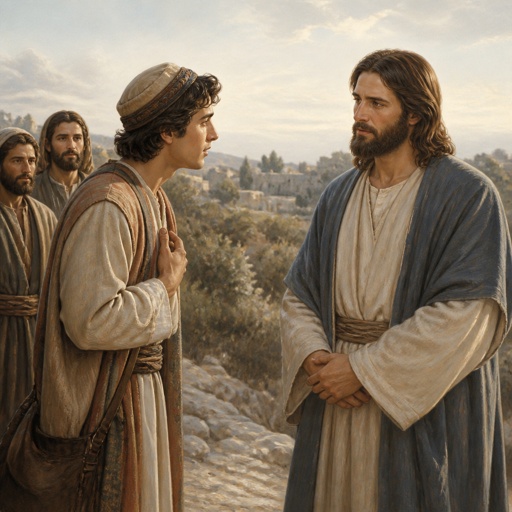
"¶ And, behold, one came and said unto him, Good Master, what good thing shall I do, that I may have eternal life?" - Matthew 19:16

Matthew 17:17-18

Matthew 17:17-18

Matthew 3:16

matthew 28:19

Matthew 19:26

matthew 28:19

Matthew 3:16

Matthew 3:16

Matthew 6:17

Matthew 17:20

Matthew 17:20

Luke 10:17-19

Matthew 19:13