Legacy of Redemption: The Unexpected Lineage of Christ
“And Judas begat Phares and Zara of Thamar; and Phares begat Esrom; and Esrom begat Aram;” — Matthew 1:3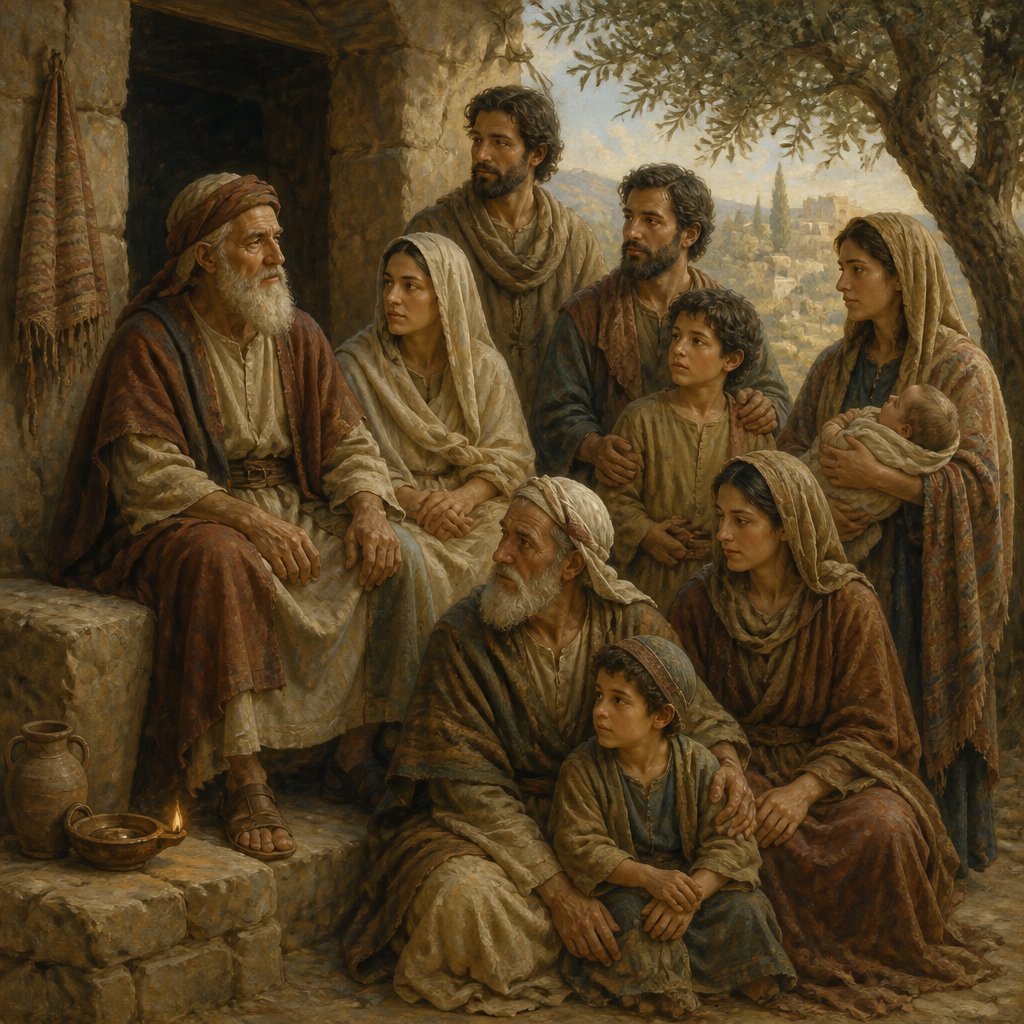
In the genealogy of Jesus Christ as recounted in Matthew 1:3, we encounter a profound and often overlooked passage: "And Judas begat Phares and Zara of Thamar; and Phares begat Esrom; and Esrom begat Aram." At first glance, this verse may appear just to be a simple record of lineage—a historical document recording names that might seem irrelevant to our daily lives. Yet, through this passage, we discover deep themes of redemption, grace, and hope that echo throughout the biblical narrative.
The mention of Thamar in this genealogy is particularly striking. To the casual reader, Thamar might seem like an inconsequential character in the grand story of redemptive history. However, her story is one of remarkable courage and resilience in the face of overwhelming adversity. Thamar, the daughter-in-law of Judah, found herself in a precarious position after the death of her husband. In a society where women had limited rights and were often defined by their familial connections, her plight was dire.
Yet, what is most compelling about Thamar's story is how she took fate into her own hands to ensure her legacy. In a daring move, she disguised herself as a harlot to seduce Judah, whom she knew would not fulfill his duty to provide for her. From this encounter came two twins—Phares and Zara. Thamar's actions may strike us as scandalous, but in the tapestry of God's grace, her story demonstrates that God can bring forth good from unexpected and seemingly sinful circumstances. This is a powerful reminder that He can redeem anyone, elevating their status from shame to honor.
Phares, whose name means 'breach', is the one through whom the line of Christ continues. His very name serves as a metaphor for God's intervention in what appeared as brokenness. God weaves His purposes even in the messiness of human choices and sins. This lineage ultimately leads us to Jesus, who is often referred to as the Lion of the Tribe of Judah. Through Phares, we see the fulfillment of God's promises and His ability to weave a masterpiece from fractured stories.
As we reflect on Matthew 1:3, we can marvel at the truth that the genealogy of Christ is filled with individuals whose lives were not perfect, whose decisions were often flawed, yet whose stories play a vital role in God's grand narrative of salvation. Think of Rahab, a Gentile and a prostitute, who was also included in the genealogy—mirroring Thamar's situation. Both women highlight that God's grace extends beyond societal norms and boundaries, revealing a plan that is inclusive and radically transformational.
What does this mean for us today? As we navigate our own stories, we may also find ourselves ensnared in difficulties and shame. We may carry burdens from our past or feel unworthy of being part of a divine plan. But just as Thamar's boldness brought about an unexpected outcome that led to the lineage of Christ, we too can take heart. Our failures and past mistakes do not define us, but rather, they can become a platform for God's grace. God's transformative power can bring about redemption, restoration, and a fresh start.
Let us embrace our stories, no matter how tangled they might be, understanding that God desires to use us for His glory. As we journey through life, remembering that our inheritance as children of God comes not from who we are or what we've done, but solely from His unmerited favor, let us carry the legacy of redemption into the lives of others. Just as Jesus became a beacon of hope through a seemingly flawed lineage, we too can shine His light in a world that desperately needs it. May we be inspired to share our own stories of grace, encouraging others to seek the transforming love of Christ.
Get our apps


Artwork for Matthew 1:3

Matthew 1:3 - "And Judas begat Phares and Zara of Thamar; and Phares begat Esrom; and Esrom begat Aram;"
"And Judas begat Phares and Zara of Thamar; and Phares begat Esrom; and Esrom begat Aram;" - Matthew 1:3

Matthew 11:3

Matthew 3:1 - "In those days came John the Baptist, preaching in the wilderness of Judaea,"

Matthew 3:11

Matthew 3:16

Matthew 3:11

Matthew 3:11

Matthew 3:11

Matthew 3:11
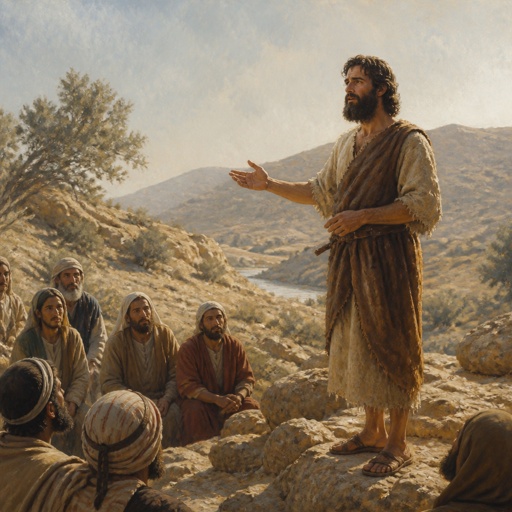
"In those days came John the Baptist, preaching in the wilderness of Judaea," - Matthew 3:1

Matthew 3:16

Matthew 3:16

Matthew 3:11

Matthew 3:11-12

Matthew 3:11-12

Matthew 3:12

Matthew 3:12

Matthew 3:11

Matthew 3:11

Matthew 3:11

matthew 20:3

Matthew 3:12

Matthew 10:3 - "Philip, and Bartholomew; Thomas, and Matthew the publican; James the son of Alphaeus, and Lebbaeus, whose surname was Thaddaeus;"

Matthew 3:13-17

Matthew 2:3-4

Matthew 2:3-4

Matthew 2:3-4

Matthew 2:3-4

Matthew 3:2 - "And saying, Repent ye: for the kingdom of heaven is at hand."