The Grace of Equal Pay: Reflections on Matthew 20:12
“Saying, These last have wrought but one hour, and thou hast made them equal unto us, which have borne the burden and heat of the day.” — Matthew 20:12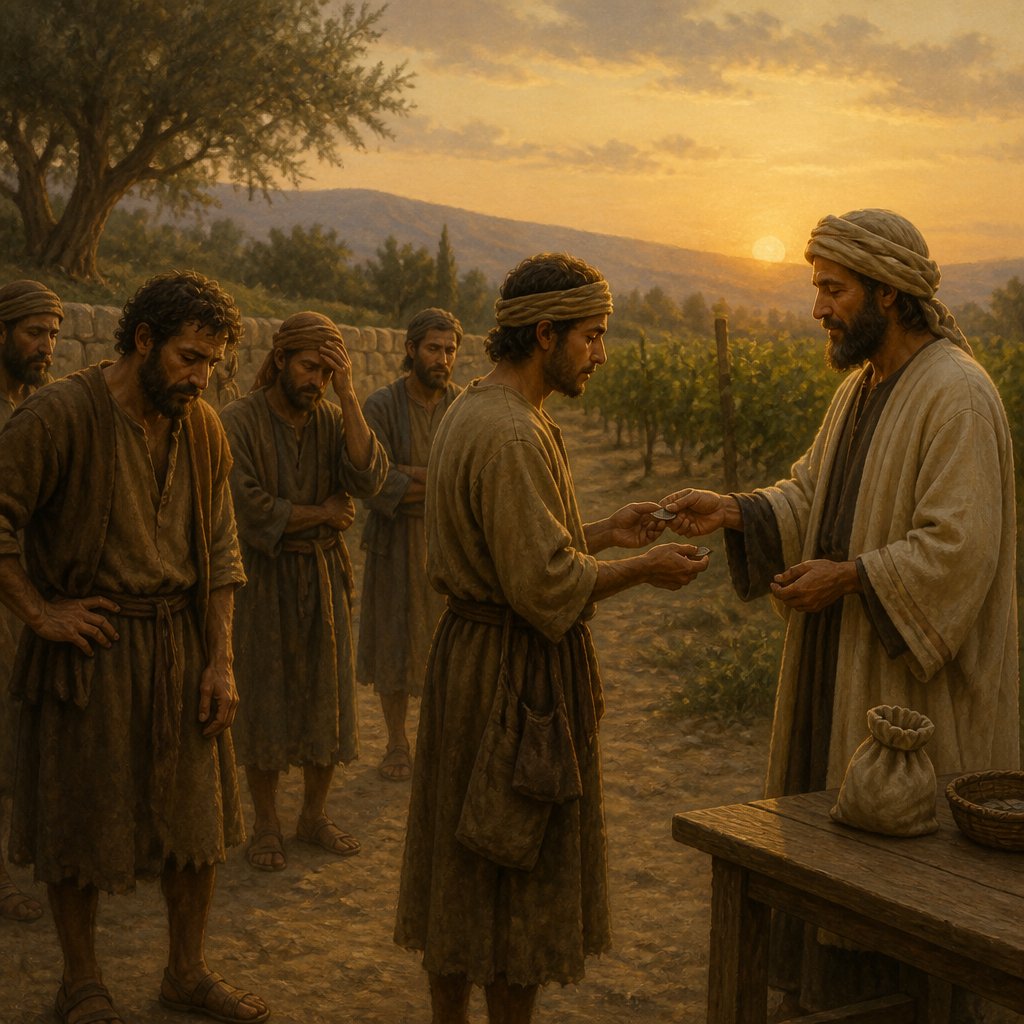
In the parable found in Matthew 20, we encounter a striking illustration of God’s grace and the perplexities of human perspectives on fairness and reward. The verse, *"Saying, These last have wrought but one hour, and thou hast made them equal unto us, which have borne the burden and heat of the day,"* serves as a crucial turning point in this narrative. It brings out the sentiments of those who have worked the longest, highlighting a deep-seated human tendency to measure worth not only by effort but also by time served.
This parable is set in a vineyard, where a landowner hires laborers at various times throughout the day but promises all a fair wage. The final workers, who labored for only one hour, received the same compensation as those who had toiled under the scorching sun for the entire day. In their complaint, the laborers express what many of us feel instinctively: the anguish of perceived injustice. How could those who worked less be treated as equals?
Yet, what this scripture unveils is not merely an issue of equality, but of grace. The landowner boldly replies by asking, *“Is thine evil because I am good?”* (Matthew 20:15, KJV). This response illuminates a profound spiritual truth: God’s goodness and generosity do not conform to our human standards of meritocracy. Rather, they call us to reconsider our definitions of fairness and entitlement.
In the kingdom of God, grace is abundant and indiscriminate. It flows freely without limitation and does not operate under the logic of what is ‘fair’ in a worldly sense. The fact that the latecomers received as much as the early workers is not indicative of the landowner’s failure to honor those who worked long hours, but rather a testimony to his unwavering generosity. The grace of God is counter-intuitive; it often disrupts our conceptions of fairness and challenges us to celebrate God’s kindness even when it defies our expectations.
Have you ever felt like the laborer who toiled the longest? Perhaps you have stood in the scorching sun of life's trials and disappointments, only to watch others receive blessings that seem unwarranted. It can stir feelings of resentment and self-pity, leading us to question God's justice. However, if we look closely, we realize that the true essence of this parable is to understand that all of us, in one way or another, receive far more than we deserve.
When we consider our individual struggles, burdens, and deeper reconciliations with grace, we see that God’s calling is not limited to a timeline. He entrusts each of us with different assignments to fulfill, often according to His divine plans, which may not align with our understanding. Those who come to faith late in their lives are as cherished as those who have walked closely with Him for decades.
This verse compels us to embrace gratitude rather than ingratitude, acceptance rather than envy. Why compare our journey to another’s if God’s investment in us remains unmatched? Each of us is precious to Him, regardless of how long we have been laboring in the vineyard. The real call for us is not to begrudge others for receiving the same grace but to accept that God's favor is not a measure of our labor but is a breathtaking gift that He freely gives.
In practicing the lesson from Matthew 20:12, we affirm that God’s grace works supremely. Reflect today on your own perceptions of worthiness. How can you shift from comparing with others to celebrating the good that God grants? In the harvest of His grace, may we find strength in our productivity and joy in our collective blessings.
Get our apps


Artwork for Matthew 20:12

Matthew 20:12 - "Saying, These last have wrought but one hour, and thou hast made them equal unto us, which have borne the burden and heat of the day."
"Saying, These last have wrought but one hour, and thou hast made them equal unto us, which have borne the burden and heat of the day." - Matthew 20:12

Matthew 12:20 - "A bruised reed shall he not break, and smoking flax shall he not quench, till he send forth judgment unto victory."

Matthew 17:20

Matthew 18:20

matthew 20:3

Matthew 18:20

Matthew 18:20

Matthew 17:20

Matthew 28:19-20

matthew 5 13-20

Matthew 20:29-34

Matthew 3:11-12

Matthew 28: 19-20

Matthew 28:19-20

Matthew 28:19-20

Matthew 15 : 1-20

Matthew 3:11-12

Matthew 20:20 - "¶ Then came to him the mother of Zebedee's children with her sons, worshipping him, and desiring a certain thing of him."

Matthew 3:12

Matthew 3:12

Matthew 23:12

Matthew 7:12

Matthew 23:12

Matthew 4:20 - "And they straightway left their nets, and followed him."

Matthew 7:12

Matthew 3:12

Matthew 7:20 - "Wherefore by their fruits ye shall know them."
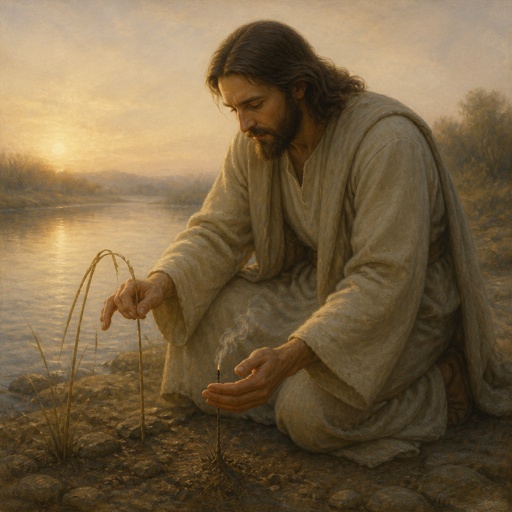
"A bruised reed shall he not break, and smoking flax shall he not quench, till he send forth judgment unto victory." - Matthew 12:20

Genesis 20-12