The Grace of the Landowner: Understanding God’s Generosity
"But he answered one of them, and said, Friend, I do thee no wrong: didst not thou agree with me for a penny?" - Matthew 20:13
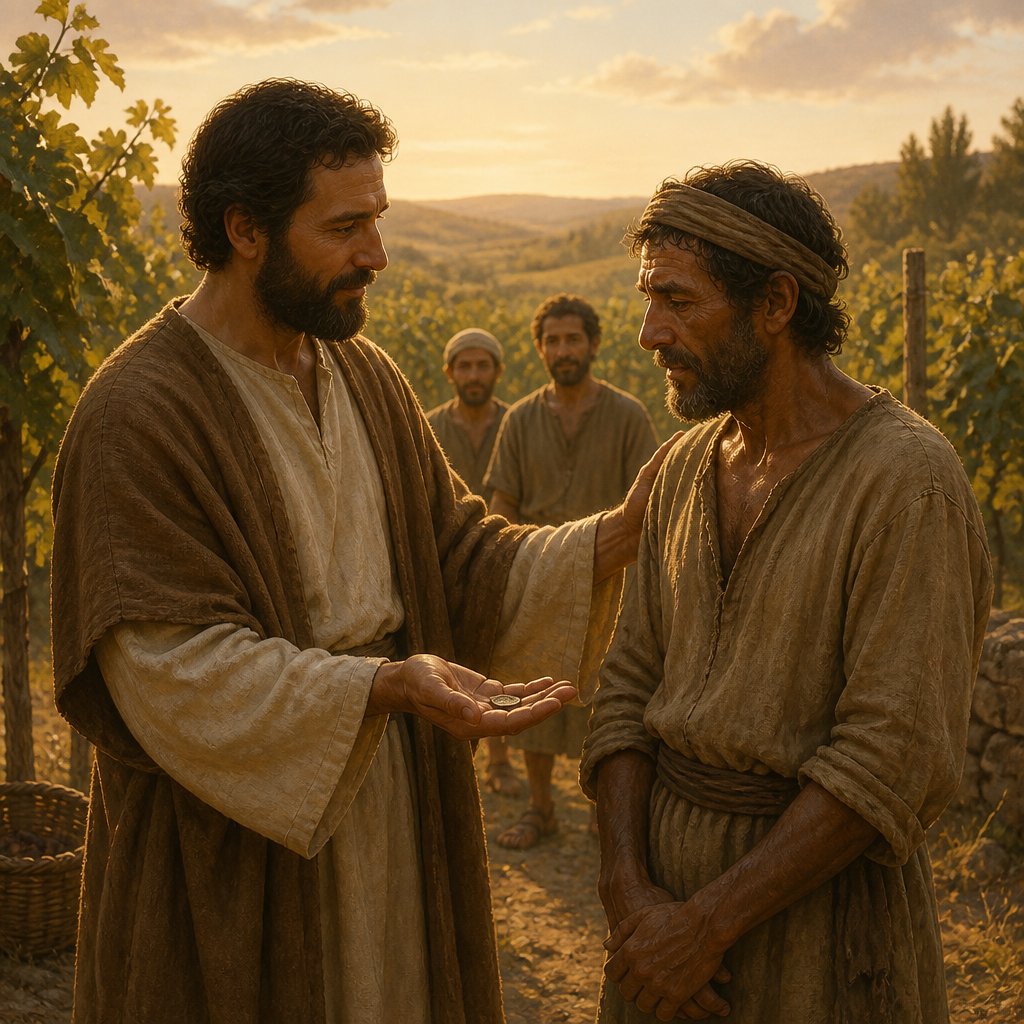
In our journey of faith, there are moments when we find ourselves questioning God’s decisions. We wonder why some seem to receive great blessings, while others seem to struggle extensively for mere survival. In the parable of the laborers in the vineyard from Matthew 20, we are invited to reevaluate our understanding of justice and grace through the lens of God’s Kingdom.
The verse from Matthew 20:13 (KJV) reads, "But he answered one of them, and said, Friend, I do thee no wrong: didst not thou agree with me for a penny?" This statement from the landowner serves as a reminder of the true nature of our relationship with God. It challenges us to look deeper into the scope of His generosity and to understand the grace freely given to us, regardless of our position or productivity.
In this parable, Jesus outlines an allegory of the Kingdom of Heaven, using a scenario to illustrate how God’s grace operates contrary to human expectations. The landowner hires laborers at different times of the day, yet at the end of the day, he pays them all equally, which provokes complaints from those who worked longer. They feel entitled to more, believing that their effort should have warranted greater compensation.
But the landowner gently reminds them, "Friend, I do thee no wrong: didst not thou agree with me for a penny?" This statement is crucial. It indicates that their complaint is not about injustice but rather about their misunderstanding of grace. They had entered into a contract with the landowner, agreeing to work for a specific wage. It is not that the landowner had wronged them; they simply expected more based on their own perceptions of fairness.
The parable teaches us that God is sovereign in His grace. He chooses to dispense grace and mercy as He wills. There is a profound lesson in recognizing that our worth and God’s grace are not measured by our efforts or labor. God’s love is not transactional; it is relational. His blessings come by grace through faith, not on the basis of the works we perform (Ephesians 2:8-9).
We must remember the context of the parable. Jesus presents this story to the disciples to head off the rising notion of entitlement and to teach humility. Many were eager to claim their rights, demanding blessings based upon their efforts or duration in the faith. Jesus indicates that this is a misunderstanding of God's generosity. Can we accept that our fellow believers may receive blessings of grace that we don’t quite understand? Can we rejoice in their blessings without envy or resentment?
As we reflect on this passage, we might ask ourselves, "Do I believe that God's grace is sufficient for everyone, or do I struggle with the notion that I need to earn His favor through my works?" The response to these questions reveals our understanding of God's character. God is not a frugal paymaster but an abundant giver, pouring His grace freely upon anyone who asks, regardless of the ‘time of day’ they begin their journey with Him.
This parable invites us into deeper communion with God, one that is grounded in the understanding that we are all recipients of His grace—no matter when we chose to respond to His call. Let us embrace God’s grace and extend it to others, rejecting comparisons and jealousy. In doing so, we reflect the heart of the true gospel—a gospel of inclusive grace, where all are welcomed and loved just as they are.
Want to reflect more on Matthew 20:13?
Continue your spiritual journey with Bible Chat — an AI-powered tool for exploring God's Word through conversation. Ask questions, discover connections, and deepen your understanding.
Get Our Apps


Matthew 20:13 Artwork
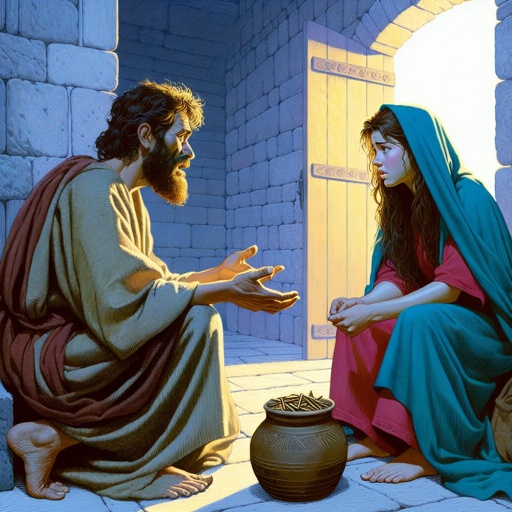
Matthew 20:13 - "But he answered one of them, and said, Friend, I do thee no wrong: didst not thou agree with me for a penny?"
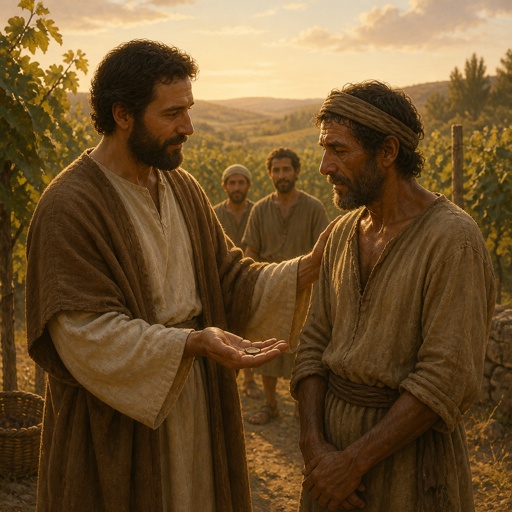
"But he answered one of them, and said, Friend, I do thee no wrong: didst not thou agree with me for a penny?" - Matthew 20:13

matthew 5 13-20

Matthew 13:20 - "But he that received the seed into stony places, the same is he that heareth the word, and anon with joy receiveth it;"
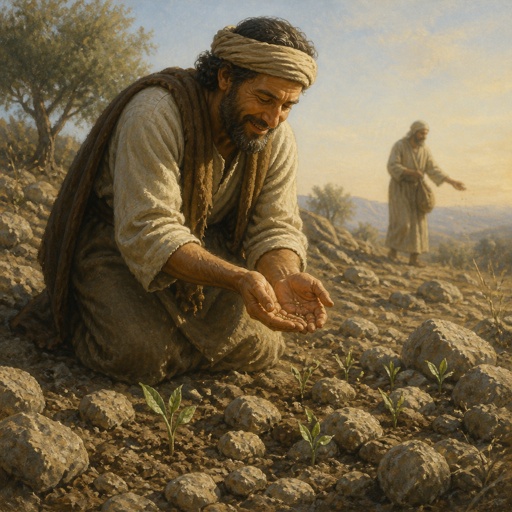
"But he that received the seed into stony places, the same is he that heareth the word, and anon with joy receiveth it;" - Matthew 13:20

Matthew 17:20

Matthew 18:20

Matthew 13

matthew 20:3

Matthew 18:20

Matthew 18:20

Matthew 17:20

Matthew 8:13

Matthew 8:13

Matthew 8:13

Matthew 13

Matthew 7:13-14

Matthew 7:13-14

Matthew 7:13-14

Matthew 7:13-14

Matthew 7:13-14

Matthew 7:13-14

Matthew 7:13-14

Matthew 28:19-20

Matthew 20:29-34

Matthew 7:13-14

Matthew 7:13-14

Matthew 7:13-14

Matthew 7:13-14

Matthew 28: 19-20