The Wrath of the King: A Call to Heed God's Invitation
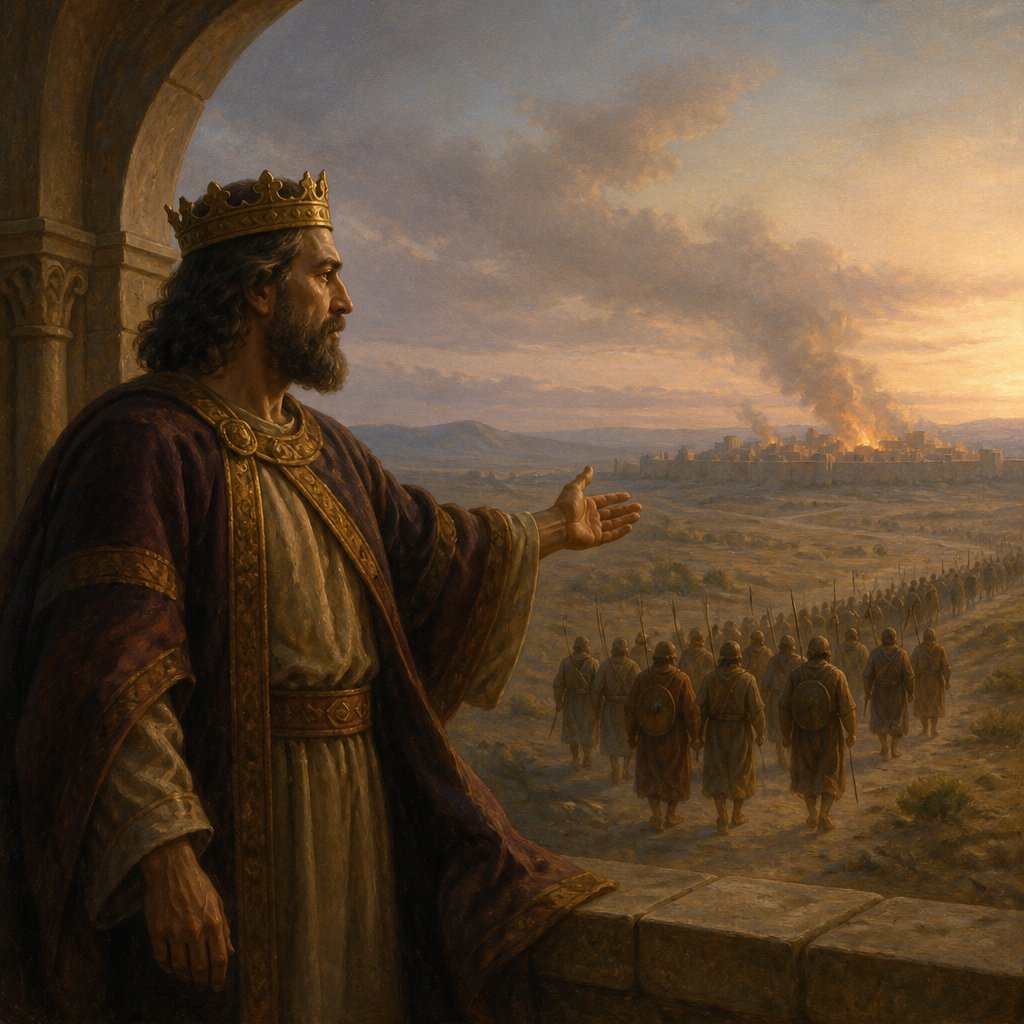
"But when the king heard thereof, he was wroth: and he sent forth his armies, and destroyed those murderers, and burned up their city." - Matthew 22:7
**Scriptural Foundation**
Matthew 22:7 (KJV): "But when the king heard thereof, he was wroth: and he sent forth his armies, and destroyed those murderers, and burned up their city."
**Introduction**
In Matthew 22, we encounter one of the parables told by Jesus that paints a powerful picture of God's kingdom and the consequences of rejecting His invitation. This particular verse serves as a stark reminder of the gravity of our choices regarding the divine call to join the feast—the banquet that God has prepared for His people. The imagery presented here, of a king who becomes furious upon learning that his guests have scorned his invitation, is both sobering and profound. It invites us to reflect on our responses to God’s call in our lives.
**The King’s Invitation**
The context of this parable is crucial. Jesus speaks of a king who organizes a wedding feast for his son, a joyful occasion steeped in symbolism of union and celebration. This king is representative of God the Father, who has graciously issued an invitation to all people to partake in His kingdom. This invitation is not merely an afterthought; it symbolizes the very nature of God’s desire for relationship with humanity. Yet, how many of us have ignored or, worse, outright rejected this call?
In the parable, the invited guests display blatant indifference to the king’s summons. Some dismiss the invitation with excuses, while others engage in hostility towards the messengers of the king. This rejection is not merely a social faux pas; it is an affront to the authority of the one who has extended grace and mercy through His invitation. The king's wrath is a reflection of righteous anger—a necessary response when love is spurned and grace is mocked.
**God’s Judgment**
When the king hears of the abuses towards his servants—those sent to invite the guests—he reacts with justified fury. He sends forth his armies to destroy those murderers and to burn their city. Herein lies a profound truth: rejecting God’s invitation is not a trivial matter. It carries severe consequences.
The language of military action employed here indicates that God does not stand idly by when His grace is denied. Judgment follows unrepentance. The destruction of the city embodies the reality of spiritual deception that leads to death. It calls to mind the warning in Romans 6:23, which tells us that the wages of sin is death. This parable affirms that God’s long-suffering nature has limits. His patience is not an endorsement of our disobedience.
**A Call for Reflection**
As we reflect on this verse and its surrounding parable, we must examine our own attitudes toward God’s call in our lives. Are we among those who have ignored His invitation? Do we make excuses for not participating in the divine banquet prepared for us? Perhaps we have become too wrapped up in our pursuits—our jobs, relationships, and daily distractions—that we overlook the sacred call to engage with God’s goodness.
Jesus' parable warns us of the dangers of complacency. Each denial of His plea to join the feast is a step further away from our intended relationship with the Creator. As believers, we must never forget the cost of our indifference.
**Conclusion: Embracing the Invitation**
However, amid the severity of this warning lies a deep and abiding hope. After the destruction, the king sends his servants again to gather guests from the streets, inviting everyone—good and bad alike (Matthew 22:10). This is the essence of the gospel: redemption is always available. No matter how far we stray, God’s invitation remains open as long as we draw breath.
Let us, therefore, respond to the king’s invitation with the reverence and joy it deserves. Let us not be like the murderers who rejected grace but rather embrace the feast with gratitude. In doing so, we participate in the heavenly banquet that awaits us—a table richly set by our loving King. May our hearts align with His, and our lives reflect the invitation we have joyfully accepted.
Want to reflect more on Matthew 22:7?
Continue your spiritual journey with Bible Chat — an AI-powered tool for exploring God's Word through conversation. Ask questions, discover connections, and deepen your understanding.
Get Our Apps


Matthew 22:7 Artwork

Matthew 22:7 - "But when the king heard thereof, he was wroth: and he sent forth his armies, and destroyed those murderers, and burned up their city." respectful, symbolic bible verse art
"But when the king heard thereof, he was wroth: and he sent forth his armies, and destroyed those murderers, and burned up their city." - Matthew 22:7

Matthew 7:22 - "Many will say to me in that day, Lord, Lord, have we not prophesied in thy name? and in thy name have cast out devils? and in thy name done many wonderful works?"

Matthew 9:21-22

Matthew 9:21-22

Matthew 9:21-22

Matthew 9:21-22

Matthew 9:21-22

Matthew 22:22 - "When they had heard these words, they marvelled, and left him, and went their way."

Matthew 6:22

Matthew 6:22

Matthew 6:22

Matthew 7:7

Matthew 22:38 - "This is the first and great commandment."

Matthew 14:22-33

Matthew 22:37-39

Matthew 22:14 - "For many are called, but few are chosen."

Matthew 22:36 - "Master, which is the great commandment in the law?"

Matthew 22:27 - "And last of all the woman died also."

Matthew 7:13-14

Matthew 7:13-14

Matthew 7:13-14

Matthew 7:13-14

Matthew 7:13-14

Matthew 7:13-14

Matthew 7:13-14

Matthew 22:26 - "Likewise the second also, and the third, unto the seventh."

Matthew 22:40 - "On these two commandments hang all the law and the prophets."

Matthew 7:13-14

Matthew 7:13-14