The Cost of Love: Navigating Betrayal and Offense in the Last Days
"And then shall many be offended, and shall betray one another, and shall hate one another." - Matthew 24:10
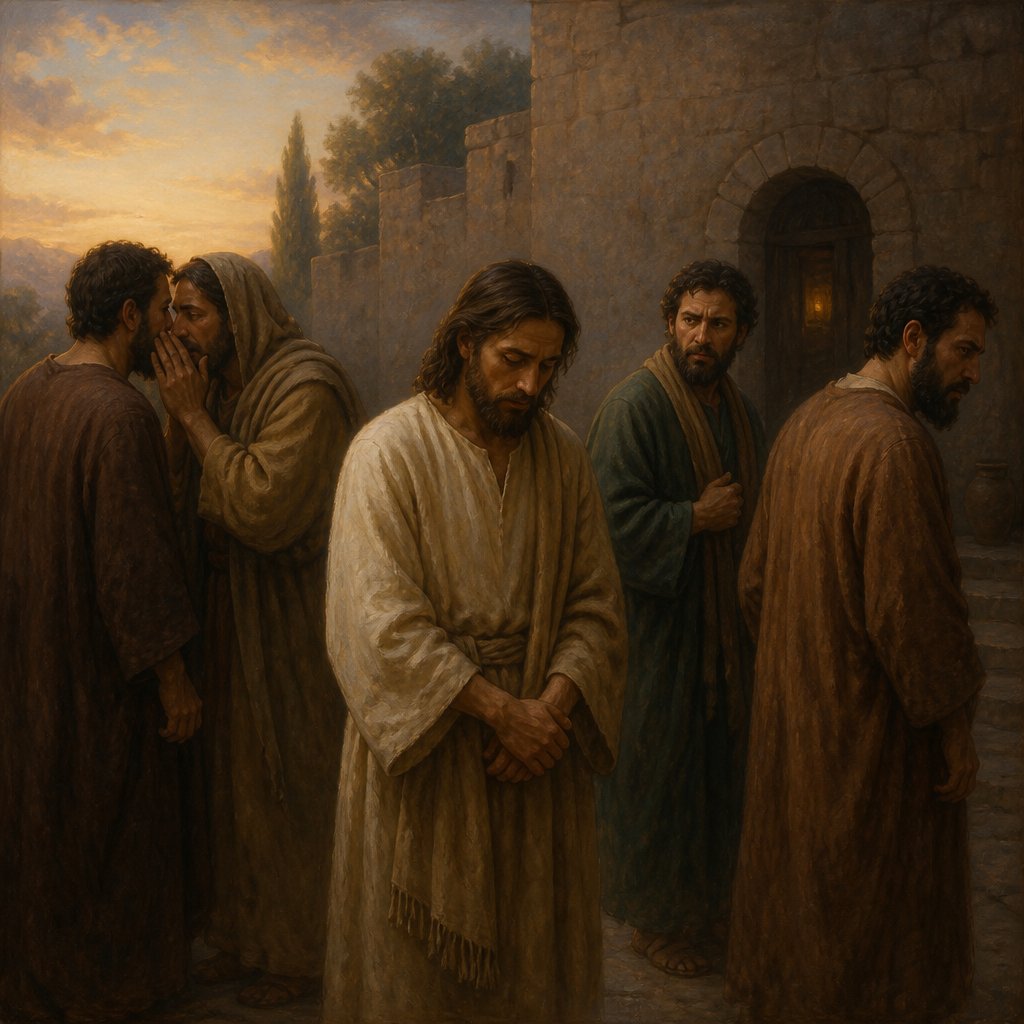
Matthew 24:10 (KJV) proclaims, "And then shall many be offended, and shall betray one another, and shall hate one another." This verse emerges from a profound discourse that Jesus shared about the signs of the end times, reflecting a reality that resonates deeply even today. At the heart of this passage lies a sobering truth about the human experience—betrayal, offense, and hatred often infiltrate our lives, particularly during tumultuous times.
As we consider the implications of this scripture, it is essential to place it in the broader context of the Lord’s teachings throughout the Gospels. In the days leading up to His crucifixion, Jesus emphasized love, calling us to love one another as He has loved us. However, Matthew 24 starkly captures a contrary reality: a world where, instead of love, we find ourselves in the grips of offenses and betrayals that can stem from fear, misunderstanding, and often from a lack of trust.
The phrase "many shall be offended" reminds us that offense in our lives is not a rarity but a commonality. Offense typically arises from unmet expectations and wounded feelings. In a world that is becoming increasingly polarized—politically, socially, and even spiritually—conflict creeps in amongst brothers and sisters alike. When we feel wronged or misunderstood, our human tendency is often to retreat into our shells, harbor bitterness, and even lash out in retaliation rather than extend grace.
As we reflect on this, we must ask ourselves: Can we recognize offense when it arises within us? Do we allow for forgiveness—a powerful act of love—to transcend the moment of hurt? In Ephesians 4:32, we are called to “be kind one to another, tenderhearted, forgiving one another, even as God for Christ's sake hath forgiven you.” This verse challenges the sting of offense with a reminder of the grace we have received. In times when we feel offended, we have a marvelous opportunity to exercise forgiveness, which leads to healing not just for ourselves but for the community around us.
Next, the scripture mentions the painful reality of betrayal. Jesus faced betrayal from one He considered a friend, Judas Iscariot, demonstrating the heartbreaking reality that those closest to us can harm us the deepest. In Matthew 24:10, the betrayal is not limited to mere social interactions; it can be an act borne out of aggression or self-preservation. Today, we may find ourselves in situations that test our friendships and our faith. When trust is broken, it can lead to deep hurt and a sense of loss that can linger in our souls.
Yet, in these moments, we can choose our response. Jesus not only endured betrayal but ultimately forgave those who sought to harm Him. Our ability to respond to betrayal with love rather than bitterness is a radical, counter-cultural act that reflects God’s kingdom. This brings us to the final part of the verse, which states that many will “hate one another.” Hatred often arises from misunderstanding and unaddressed offenses. It leads us to dehumanize one another, viewing others as adversaries rather than fellow bearers of God's image.
As believers, we are called to counteract hatred with love. 1 John 4:20 reminds us, "If a man say, I love God, and hateth his brother, he is a liar: for he that loveth not his brother whom he hath seen, cannot love God whom he hath not seen." Therein is a challenge and a comfort: even amidst end-time distress and hostility, we have the choice to foster a spirit of community, understanding, and love.
In conclusion, Matthew 24:10 invites us to be vigilant in our spiritual lives as we navigate through offenses, betrayals, and feelings of hatred. We are encouraged to stay grounded in love, extend grace, and remember the power forgiveness holds in bringing healing to ourselves and unity to our communities. Let us take heart; we can confront the harsh realities of our world with the transformative love of Christ, seeking always to reflect His heart in a world that desperately needs it.
Want to reflect more on Matthew 24:10?
Continue your spiritual journey with Bible Chat — an AI-powered tool for exploring God's Word through conversation. Ask questions, discover connections, and deepen your understanding.
Get Our Apps


Matthew 24:10 Artwork

Matthew 24:10 - "And then shall many be offended, and shall betray one another, and shall hate one another."
"And then shall many be offended, and shall betray one another, and shall hate one another." - Matthew 24:10

Matthew 10:24 - "The disciple is not above his master, nor the servant above his lord."

Matthew 10:24 “A disciple is not above his teacher, nor a servant above his master.
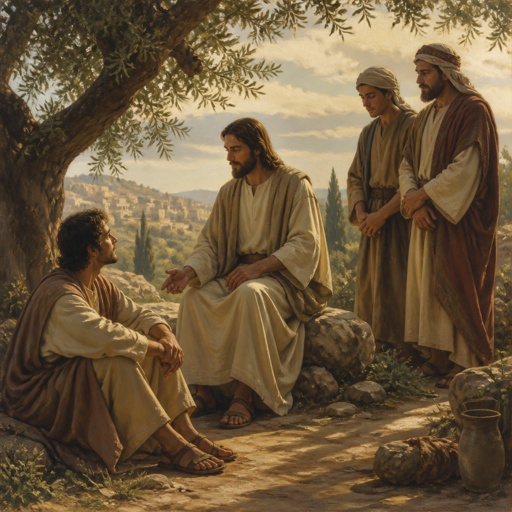
"The disciple is not above his master, nor the servant above his lord." - Matthew 10:24

Matthew 24:35

Matthew 24:35

Matthew 24:35

Matthew 24:35

Matthew 24:35

Matthew 24:35

Matthew 24:35

Matthew 24:35

Matthew 24:35

Matthew 24:35

Matthew 24:27

Matthew 24:15

Matthew 6:24

Matthew 24:8

Matthew 6:24

Matthew 6:24

Matthew 6:24

Matthew 24:8 - "All these are the beginning of sorrows."

Matthew 24:30-31

Matthew 24:30-31

Matthew 24:30-31

Matthew 24:30-31

Matthew 24:30-31

Matthew 24:30-31

Matthew 24:30-31