The Breaking and the Cup: A Reflection on Sacrifice and Redemption
“And as they were eating, Jesus took bread, and blessed it, and brake it, and gave it to the disciples, and said, Take, eat; this is my body. And he took the cup, and gave thanks, and gave it to them, saying, Drink ye all of it; For this is my blood of the new testament, which is shed for many for the remission of sins.” — Matthew 26:26-28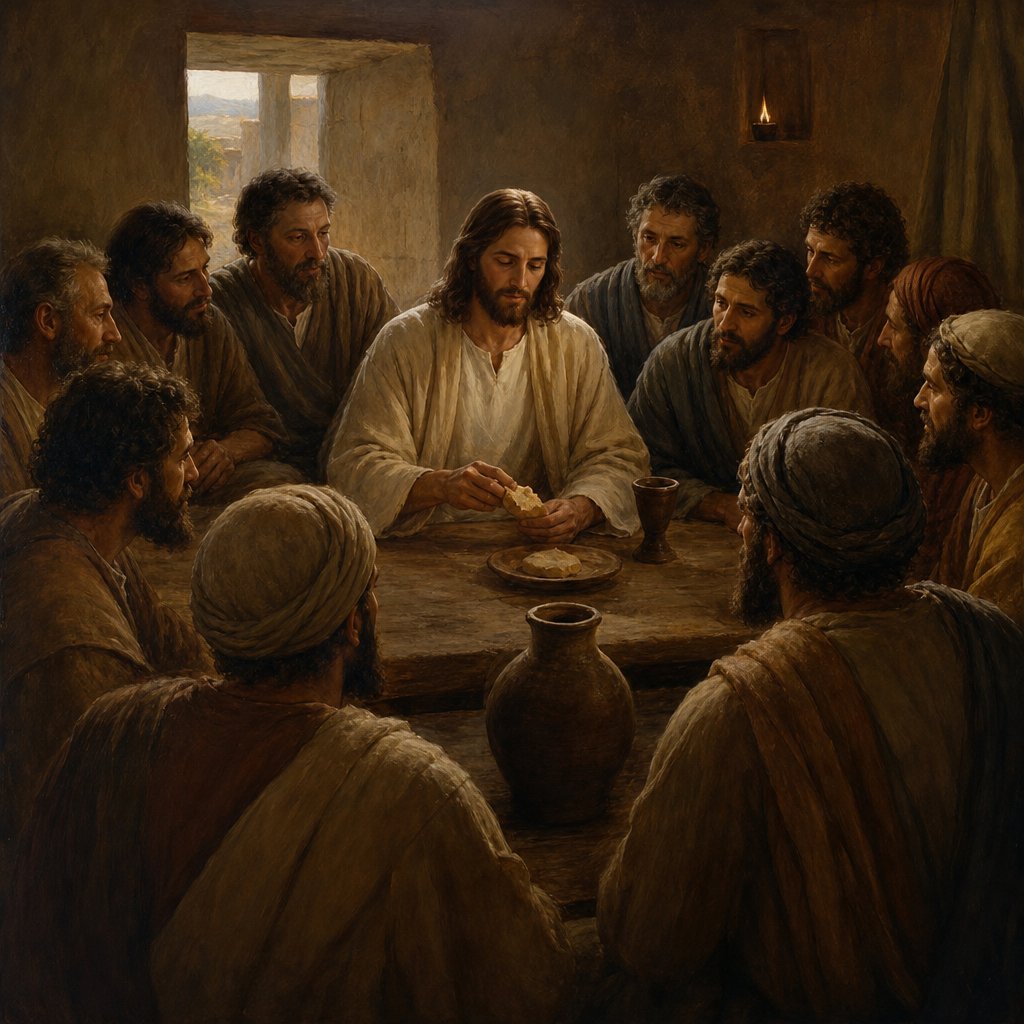
In the quiet of the Upper Room, a profound moment unfurled, as recounted in Matthew 26:26-28. Here, we see Jesus, the Son of God, transforming the Passover meal into something radically new and deeply sacramental. He takes bread, blesses it, breaks it, and gives it to His disciples, proclaiming, "Take, eat; this is my body." Then He lifts the cup, gives thanks, and offers it to them, declaring, "Drink ye all of it; For this is my blood of the new testament, which is shed for many for the remission of sins."
These verses invite us into a deeper understanding of the Last Supper—a moment steeped in intimacy, sacrifice, and the ushering in of a new covenant. As we reflect on this passage, we are reminded of two central themes that echo throughout Scripture: sacrifice and redemption.
**Sacrifice in the Breaking of Bread**
To grasp the significance of the bread, we must first identify what it represents. Jesus breaks the bread, symbolizing His body, soon to be broken on the cross. In this act, He foreshadows the ultimate sacrifice He is about to make for humanity. The breaking signifies not just physical suffering but also the deep relational pain of sin which He bore. The bread is a potent symbol of nourishment and sustenance, pointing us to the fact that it is only through Christ's sacrifice that we find true fulfillment. The act of sharing this broken bread with His disciples signifies His desire for communion—not just with them but with all of humanity.
In the breaking, we see the love of Christ exemplified. He did not merely offer His body; He surrendered it for our sake. Paul, in Romans 5:8, echoes this sentiment when he writes, "But God commendeth his love toward us, in that, while we were yet sinners, Christ died for us.” As we reflect on this, we are called to respond—how do we express our gratitude for this profound act of love?
**Redemption in the Cup of Forgiveness**
The cup that Jesus offered represents the new covenant—His blood shed for the remission of sins. This moment is pivotal; what Jesus does here is to establish a new relationship between God and man, rooted in grace, mercy, and undeserved forgiveness. The old covenant, defined by the law and animal sacrifices, is fulfilled and replaced by an everlasting covenant secured through Christ's own blood.
When Jesus says, "Drink ye all of it," it calls not just for participation but for a communal acknowledgment of grace and redemption. Each sip signifies a personal acceptance of His sacrifice and a declaration of faith in the new life He offers. It affirms that redemption is a gift extended to all of humanity—"shed for many," as Jesus said. This inclusion is radical; it breaks down every wall of separation and extends grace to everyone, regardless of their background or failings.
**The Call to Remember and Proclaim**
Jesus' instructions were clear, and as we partake in communion today, we are not just remembering His sacrifice; we are proclaiming it. In 1 Corinthians 11:26, Paul instructs, "For as often as ye eat this bread, and drink this cup, ye do shew the Lord's death till he come." Our observance of communion becomes an act of worship, a testimony of our faith, and a reminder of the hope we anticipate in His return.
As we meditate on Matthew 26:26-28, let us reflect on the profound depth of Christ's sacrifice and the redemption it offers. May we approach the table of communion with hearts full of gratitude and a willingness to extend that grace to others. In our lives, let us continue to live out the implications of that sacrifice, embodying the love and forgiveness that Christ has lavished upon us. In doing so, we join in the sacred tradition of remembering and proclaiming His death until He comes again.
Get our apps


Artwork for Matthew 26:26-28

Matthew 26:26-28 - "And as they were eating, Jesus took bread, and blessed it, and brake it, and gave it to the disciples, and said, Take, eat; this is my body. And he took the cup, and gave thanks, and gave it to them, saying, Drink ye all of it; For this is my blood of the new testament, which is shed for many for the remission of sins."
"And as they were eating, Jesus took bread, and blessed it, and brake it, and gave it to the disciples, and said, Take, eat; this is my body. And he took the cup, and gave thanks, and gave it to them, saying, Drink ye all of it; For this is my blood of the new testament, which is shed for many for the remission of sins." - Matthew 26:26-28

Matthew 26:28 - "For this is my blood of the new testament, which is shed for many for the remission of sins."

"For this is my blood of the new testament, which is shed for many for the remission of sins." - Matthew 26:28

romans 8:26-28

Matthew 26:25

Matthew 26:15

Matthew 19:26

Matthew 26:15

Matthew 27:26

Matthew 27:26

Matthew 26:53

Matthew 26:65

Matthew 26:41

Matthew 26:53

Matthew 26:26 - "¶ And as they were eating, Jesus took bread, and blessed it, and brake it, and gave it to the disciples, and said, Take, eat; this is my body."
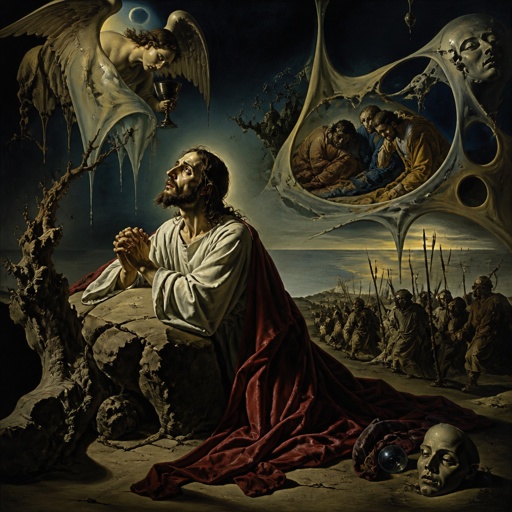
Matthew 26:36-46
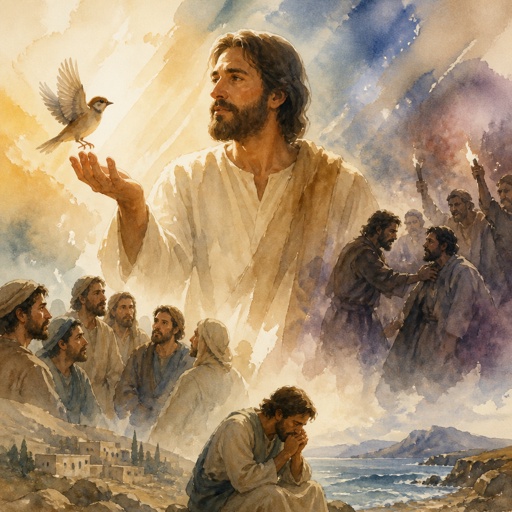
Matthew 10:26-33

Numbers 26:28 - "¶ The sons of Joseph after their families were Manasseh and Ephraim."

Job 28:26 - "When he made a decree for the rain, and a way for the lightning of the thunder:"

Matthew 26:54 - "But how then shall the scriptures be fulfilled, that thus it must be?"

Matthew 22:26 - "Likewise the second also, and the third, unto the seventh."

Matthew 9:26 - "And the fame hereof went abroad into all that land."

Matthew 20:26-28 - "It shall not be so among you. But whoever would be great among you must be your servant, and whoever would be first among you must be your slave, even as the Son of Man came not to be served but to serve, and to give his life as a ransom for many."

Exodus 26:28 - "And the middle bar in the midst of the boards shall reach from end to end."

Proverbs 26:28 - "A lying tongue hateth those that are afflicted by it; and a flattering mouth worketh ruin."

Isaiah 28:26 - "For his God doth instruct him to discretion, and doth teach him."

Acts 26:28 - "Then Agrippa said unto Paul, Almost thou persuadest me to be a Christian."

Matthew 26:5 - "But they said, Not on the feast day, lest there be an uproar among the people."

Matthew 26:16 - "And from that time he sought opportunity to betray him."