The Sword of Self-Destruction: A Call to Peace
“Then said Jesus unto him, Put up again thy sword into his place: for all they that take the sword shall perish with the sword.” — Matthew 26:52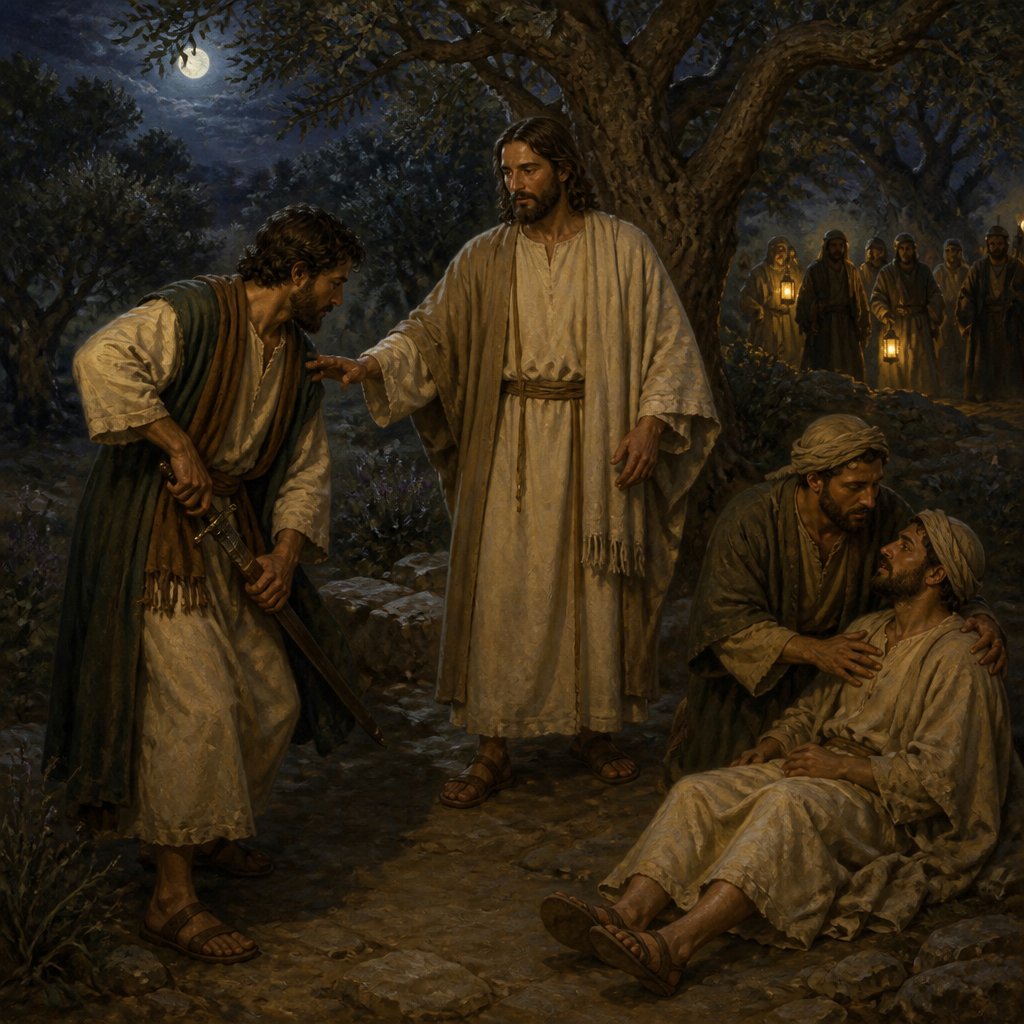
The words spoken by Jesus in Matthew 26:52, "Then said Jesus unto him, Put up again thy sword into his place: for all they that take the sword shall perish with the sword," serve as a profound reminder of the nature of violence and the necessity of peace in the life of a believer. This verse emerges from a poignant scene in the Garden of Gethsemane, where the tension is palpable as Judas betrays Jesus, and the soldiers come to arrest Him. In this moment of crisis, Peter draws his sword to defend his Master, instinctively reacting to protect what he loves. Yet, Jesus steps in, rebuking Peter and redirecting the situation from violence to a deeper understanding of His mission.
At the core of Jesus' admonition is a radical reinterpretation of power. The sword, which signifies both physical violence and a default mode of human conflict resolution, is directly challenged by Jesus. He does not merely advocate for non-violence; instead, He embodies the peace that surpasses all understanding. His response to Peter is not one of condemnation, but of redirection toward a higher calling—one centered on love, forgiveness, and divine purpose. In a moment where Peter’s instinct was to protect through aggression, Jesus unveils the truth that resorting to violence leads ultimately to destruction, not only for others but for oneself.
The phrase, "for all they that take the sword shall perish with the sword," rings with eternal wisdom that transcends cultural and temporal boundaries. It serves as a warning against the cyclical nature of violence. When one engages in conflict through the means of force, the inevitable result is a spiral of retaliation and tragedy. The history of humanity bears witness to this truth; wars beget wars, and hatred sows the seeds of further hatred. Jesus' message urges us to reconsider our paradigms of conflict resolution. Instead of meeting aggression with aggression, He invites us into a stance of surrender, trust, and transformation.
As we meditate on this verse, we must ask ourselves: how do we wield our own metaphorical swords today? In our workplaces, friendships, and families, do we resort to harsh words, lingering resentment, or aggressive behavior to defend our truths or territories? How quick are we to engage in verbal battles, using our words as swords rather than tools for peace? Jesus calls us to examine these patterns deeply. The rebuttal of violence does not advocate for passivity; rather, it beckons us to engage in a significantly more difficult task—the task of grace.
A life anchored in Christ is one that relies on the power of love over the power of the sword. Love has the extraordinary ability to disarm our enemies and to transform adversaries into friends. Matthew 5:9 states, "Blessed are the peacemakers: for they shall be called the children of God." This beatitude reminds us that our pursuit of peace is a mark of our identity as children of God, echoing the character of their Father who is the ultimate peacemaker.
Jesus' injunction to put away the sword opens a pathway not only for personal transformation but also for communal healing. He models a new kind of kingdom—a troublesome truth for His contemporaries and for us: that in this kingdom, the way to victory is through humility, service, and the laying down of our claims to power. Even in the face of injustice, we must hold to the belief that God’s cosmic justice transcends our understanding of retribution and violence.
In conclusion, let us reflect on our own lives and the 'swords' we clutch tightly. Let the words of Jesus resonate in our hearts as a clarion call to turn away from the ways of conflict and embrace the arduous path of peace. In laying down our swords, may we find the life that is truly life, a life of love, restoration, and radical obedience to His example. As we enter the love-infused spaces of vulnerability and reconciliation, we blossom into His children, initiating chains of grace that reflect His joy and purpose.
Get our apps


Artwork for Matthew 26:52

Matthew 26:52 - "Then said Jesus unto him, Put up again thy sword into his place: for all they that take the sword shall perish with the sword."
"Then said Jesus unto him, Put up again thy sword into his place: for all they that take the sword shall perish with the sword." - Matthew 26:52

Numbers 26:52 - "¶ And the LORD spake unto Moses, saying,"

Matthew 27:52 - "And the graves were opened; and many bodies of the saints which slept arose,"

"¶ And the LORD spake unto Moses, saying," - Numbers 26:52

Jeremiah 52:26 - "So Nebuzar-adan the captain of the guard took them, and brought them to the king of Babylon to Riblah."
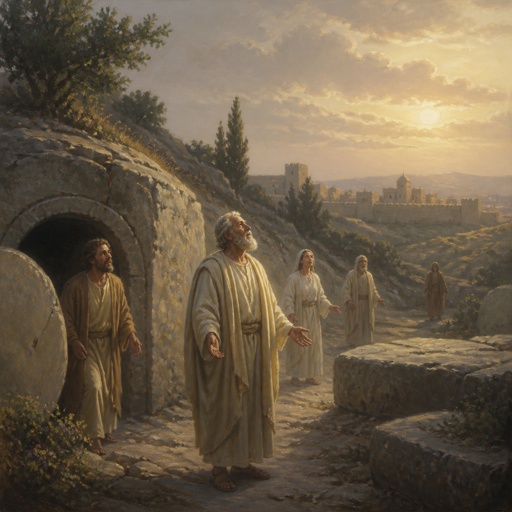
"And the graves were opened; and many bodies of the saints which slept arose," - Matthew 27:52

Matthew 27:52-53 - "And the graves were opened; and many bodies of the saints which slept arose, And came out of the graves after his resurrection, and went into the holy city, and appeared unto many."

Matthew 26:25

Matthew 26:15

Matthew 19:26

Matthew 26:15

Matthew 27:26

Matthew 27:26

Matthew 26:53

Matthew 26:41

Matthew 26:65

Matthew 26:53

"So Nebuzar-adan the captain of the guard took them, and brought them to the king of Babylon to Riblah." - Jeremiah 52:26

Matthew 13:52 - "Then said he unto them, Therefore every scribe which is instructed unto the kingdom of heaven is like unto a man that is an householder, which bringeth forth out of his treasure things new and old."
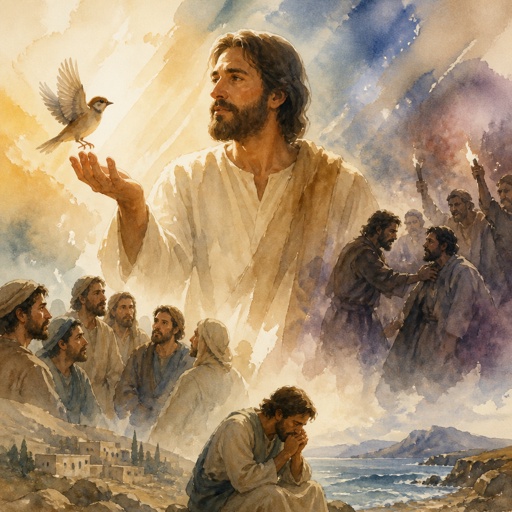
Matthew 10:26-33

Matthew 26:36-46

Matthew 26:26 - "¶ And as they were eating, Jesus took bread, and blessed it, and brake it, and gave it to the disciples, and said, Take, eat; this is my body."

Matthew 22:26 - "Likewise the second also, and the third, unto the seventh."

Matthew 9:26 - "And the fame hereof went abroad into all that land."

Matthew 26:54 - "But how then shall the scriptures be fulfilled, that thus it must be?"

Matthew 26:6 - "¶ Now when Jesus was in Bethany, in the house of Simon the leper,"

Matthew 26:4 - "And consulted that they might take Jesus by subtilty, and kill him."

Matthew 26:5 - "But they said, Not on the feast day, lest there be an uproar among the people."

Matthew 26:16 - "And from that time he sought opportunity to betray him."