The Temple of His Presence: Understanding the True Meaning of Christ's Words
“And said, This fellow said, I am able to destroy the temple of God, and to build it in three days.” — Matthew 26:61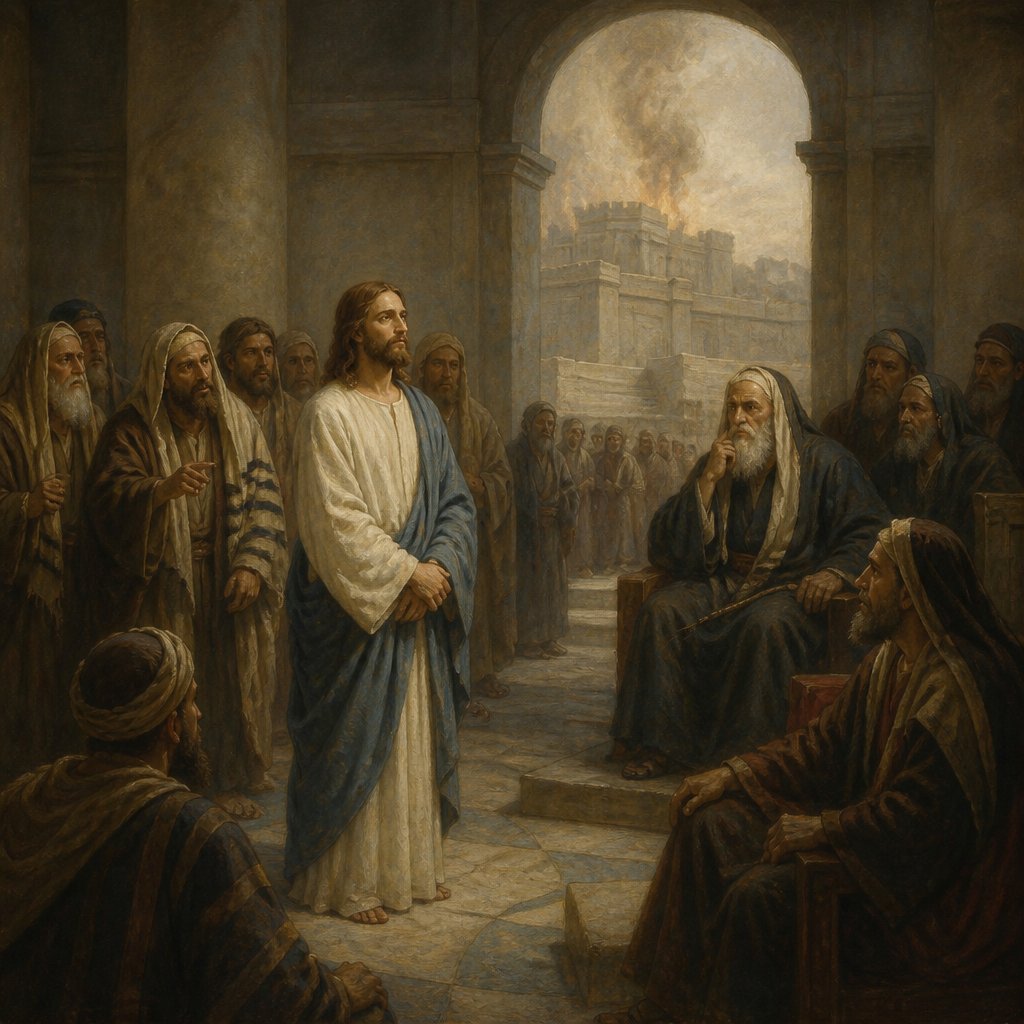
In the turmoil of the trial that led to the crucifixion of Jesus, a striking accusation was thrown against Him, as noted in Matthew 26:61, which states, "And said, This fellow said, I am able to destroy the temple of God, and to build it in three days." This declaration, laden with both misunderstanding and profound theological implications, serves as a beautiful gateway into understanding the nature of Christ, His mission, and the very heart of our faith.
The context of this verse is crucial. It arises during a night filled with false testimony and accusations meant to undermine the legitimacy of Christ’s ministry and identity. The religious leaders, threatened by Jesus’ growing influence and His radical reinterpretation of their understanding of God’s presence, sought to find evidence that would lead to His condemnation. This particular statement, however, captures a penetrating truth about who Jesus is and why He came.
At first glance, the statement seems to refer to the physical temple in Jerusalem, a magnificent structure central to Jewish worship. The temple was the place where Heaven and Earth met, where sacrifices were made, and where the presence of God dwelled among His people. For the religious leaders, claiming the ability to destroy and rebuild such a monumental edifice sounded blasphemous. They understood it as a literal threat to the sanctity of their worship and a direct challenge to their authority. However, the deeper meaning of Jesus’ words speaks to something far more profound than the bricks and mortar of a building.
In the Gospel of John, Jesus clarifies this analogy in John 2:19, where He says, "Destroy this temple, and in three days I will raise it up." Here, He reveals that He is referring to His body, foreshadowing His impending death and resurrection. The temple becomes a metaphor for His own mortality and the victory of divine purpose over sin and death. This profound statement pivots our understanding from a physical place of worship to the incarnate presence of God in Christ Himself.
As believers today, we see that the temple is not bound to a single location or structure; rather, it is rooted in the person of Jesus and His body, which was ultimately sacrificed for us. When we reflect on this truth, we recognize that His ability to rebuild the temple in three days represents our redemption and the establishment of a new covenant. It signifies that He has become the ultimate Mediator between God and humanity. Our relationship with God is no longer confined to religious rituals within the walls of a temple; it is now available to all who believe in Him.
Moreover, this verse invites a critical introspection about our own lives as believers. If Christ is the temple, then we, as followers of Christ, are called to embody His presence in the world. 1 Corinthians 6:19 reminds us that our bodies are temples of the Holy Spirit. Therefore, we must consider how we are building up our lives to reflect His glory. Are we nurturing this temple with prayer, worship, and love, or are we allowing the distractions and temptations of this world to defile it?
In conclusion, let us not merely see Christ’s words as an abstract theological concept but as a dynamic truth that impacts our daily lives. The declaration about the temple serves as a reminder of Jesus’ profound sacrifice, His resurrection power, and the call for us to live as His temples, radiating His presence in a world desperately in need of hope. We worship not in a physical temple, but in spirit and truth, acknowledging that His resurrection promises new life and everlasting communion with the Father. May we strive to honor and glorify Him, today and always, as His beloved dwelling place.
Get our apps


Artwork for Matthew 26:61

Matthew 26:61 - "And said, This fellow said, I am able to destroy the temple of God, and to build it in three days."
"And said, This fellow said, I am able to destroy the temple of God, and to build it in three days." - Matthew 26:61

Matthew 27:61 - "And there was Mary Magdalene, and the other Mary, sitting over against the sepulchre."

Numbers 26:61 - "And Nadab and Abihu died, when they offered strange fire before the LORD."
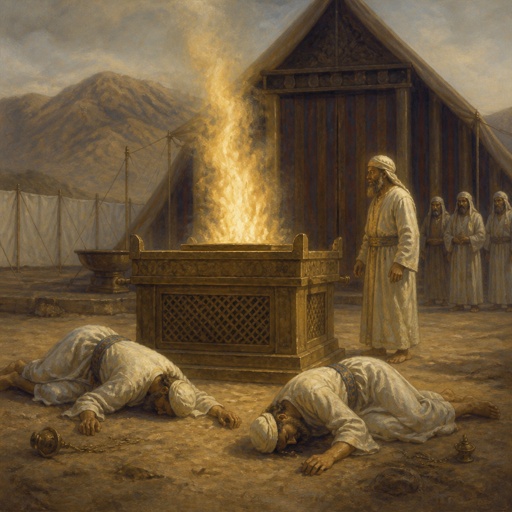
"And Nadab and Abihu died, when they offered strange fire before the LORD." - Numbers 26:61
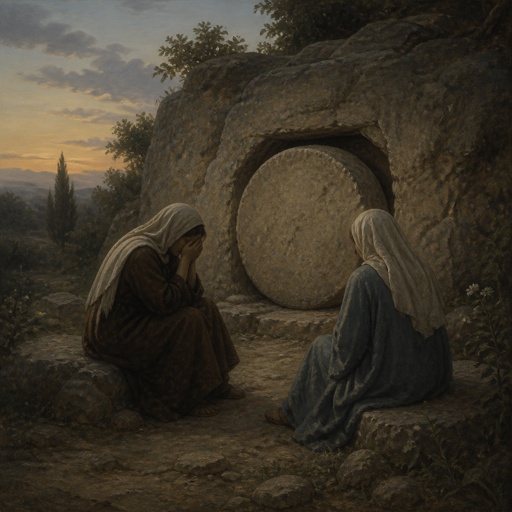
"And there was Mary Magdalene, and the other Mary, sitting over against the sepulchre." - Matthew 27:61

Matthew 26:25

Matthew 26:15

Matthew 19:26

Matthew 26:15

Matthew 27:26

Matthew 27:26

Matthew 26:53

Matthew 26:65

Matthew 26:41

Matthew 26:53
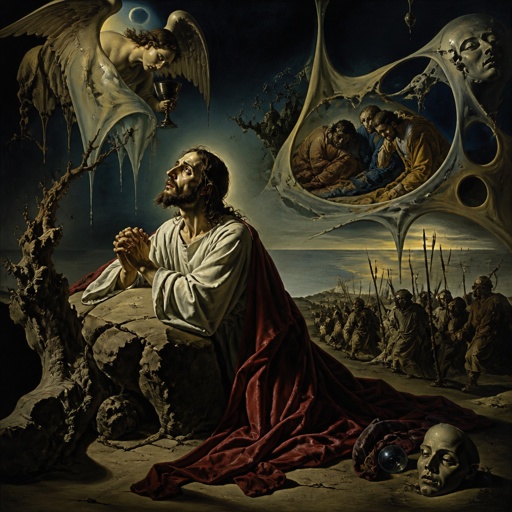
Matthew 26:36-46
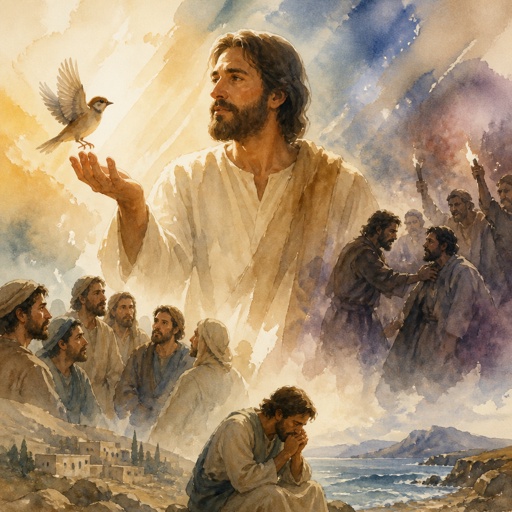
Matthew 10:26-33

Matthew 26:26 - "¶ And as they were eating, Jesus took bread, and blessed it, and brake it, and gave it to the disciples, and said, Take, eat; this is my body."

Matthew 22:26 - "Likewise the second also, and the third, unto the seventh."

Matthew 9:26 - "And the fame hereof went abroad into all that land."

Matthew 26:54 - "But how then shall the scriptures be fulfilled, that thus it must be?"

Matthew 26:6 - "¶ Now when Jesus was in Bethany, in the house of Simon the leper,"

Matthew 26:4 - "And consulted that they might take Jesus by subtilty, and kill him."

Matthew 26:5 - "But they said, Not on the feast day, lest there be an uproar among the people."

Matthew 26:16 - "And from that time he sought opportunity to betray him."

Matthew 26:72 - "And again he denied with an oath, I do not know the man."

Matthew 11:26 - "Even so, Father: for so it seemed good in thy sight."

Matthew 26:20 - "Now when the even was come, he sat down with the twelve."

Matthew 26:30 - "And when they had sung an hymn, they went out into the mount of Olives."