A Warning from the Dreamer: Heed the Voice of Conscience
"When he was set down on the judgment seat, his wife sent unto him, saying, Have thou nothing to do with that just man: for I have suffered many things this day in a dream because of him." - Matthew 27:19
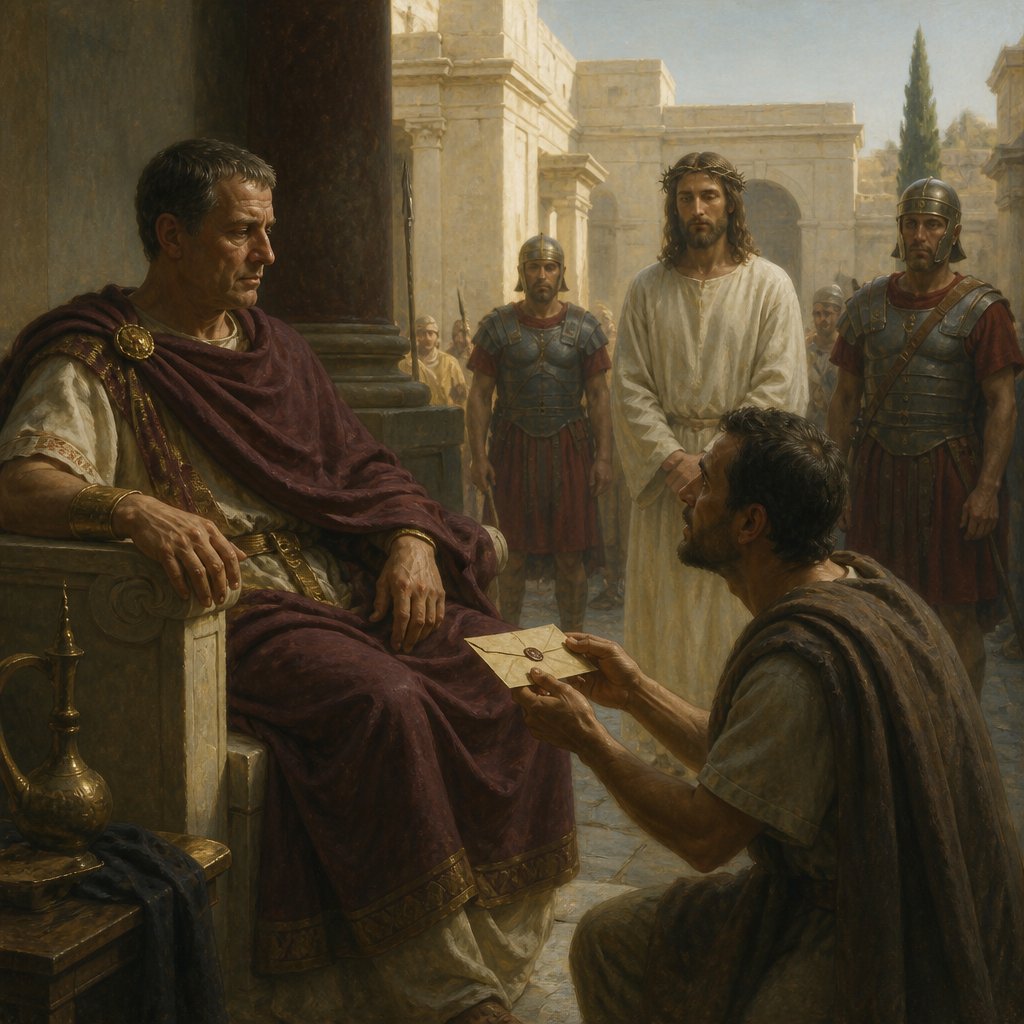
In Matthew 27:19, we encounter a profound and poignant moment in the unfolding drama of Christ’s crucifixion: "When he was set down on the judgment seat, his wife sent unto him, saying, Have thou nothing to do with that just man: for I have suffered many things this day in a dream because of him." This verse encapsulates the internal struggle of Pontius Pilate as he faces the weighty decision of condemning Jesus, a man his wife, Claudia, rightly identifies as just. Her dream serves as a touchstone, urging Pilate to reconsider his actions.
### Contextual Reflection
To fully appreciate this moment, we must consider the historical backdrop of Pilate. He was a Roman governor under immense political pressure, managing a volatile region occupied by Jews who were eager for freedom. Crowds had gathered, clamoring for Jesus’ crucifixion, driven by a mix of envy and religious fervor. Pilate’s role as a judge straddled the precarious balancing act of maintaining Roman authority while attending to the voices of his constituents. In the midst of this tumult, Claudia's intervention emerges almost unexpectedly. She urges her husband with a heartfelt warning, influenced by an unsettling dream.
### The Significance of Dreams
In biblical traditions, dreams often bear significant meaning and convey God’s will (think of Joseph, Jacob, and the Magi). Claudia’s dream, filled with suffering tied to the ‘just man’ (Christ), symbolizes divine forewarning—representing purity, innocence, and righteousness. This dream mandates critical attention from Pilate; it’s not just a trivial matter but a spiritual alarm bell ringing through the mundane demands of political leadership.
### Voice of Conscience
Claudia's plea acts as a vessel of divine insight. In essence, she is a prophetic voice, urging Pilate to avoid the sin that would haunt him.
This interaction paints a vivid picture of how God's wisdom can piece together the seemingly chaotic elements of human existence. The struggles that Pilate faces represent the universal human experience of grappling with moral choices, where the pressures of the world can drown out the whispers of righteousness. How often do we find ourselves at crossroads, with societal pressures guiding us away from integrity?
### The Consequences of Choices
Pilate ultimately ignores his wife’s warning, surrendering Jesus to the will of the crowd. His choice ignites a sequence of events that culminate in the sacrificial path of the Savior. It illustrates the devastating consequences that ripple through history when we ignore the warnings of conscience—whether they come through dreams, whispers, or the council of loved ones. How frequently do we silence the voices around us that challenge us to uphold justice and truth?
### Resolute Decisions
As followers of Christ, we are called to be vigilant and sensitive to the promptings of the Holy Spirit, which may come through dreams, intuition, or trusted friends offering wise counsel. Pilate’s tragic fate beckons us to remain steadfast in moral discernment. Do we enter moments of judgment within our own lives without considering the ramifications of our decisions? How often do we choose the path of least resistance, compromising our integrity for ease?
### Conclusion
Through Claudia’s poignant intervention, we are reminded to be attuned to righteous calls that require introspection and decisive action aligned with heavenly virtues. Let us reflect and pray fervently, seeking God’s clarity in our dreams and decisions, ensuring that we, unlike Pilate, remain true to the path of righteousness that leads to life and peace. May the account of Pilate and Claudia motivate us to reverently heed the counsel that God places in our paths, recognizing that faithfulness in small matters prepares us for the grand tapestry of His purpose in our lives.
Want to reflect more on Matthew 27:19?
Continue your spiritual journey with Bible Chat — an AI-powered tool for exploring God's Word through conversation. Ask questions, discover connections, and deepen your understanding.
Get Our Apps


Matthew 27:19 Artwork

Matthew 27:19 - "¶ When he was set down on the judgment seat, his wife sent unto him, saying, Have thou nothing to do with that just man: for I have suffered many things this day in a dream because of him."
"¶ When he was set down on the judgment seat, his wife sent unto him, saying, Have thou nothing to do with that just man: for I have suffered many things this day in a dream because of him." - Matthew 27:19

Matthew 19:27 - "¶ Then answered Peter and said unto him, Behold, we have forsaken all, and followed thee; what shall we have therefore?"

Matthew 27:46

Matthew 27:35

Matthew 24:27

Matthew 27:26

Matthew 27:26

Matthew 27: 38

Matthew 27:27 - "Then the soldiers of the governor took Jesus into the common hall, and gathered unto him the whole band of soldiers."

Genesis 19-27

Matthew 7:24-27

Exodus 27:19-20

Genesis 27:18-19

John 19:25-27

Matthew 27:36 - "And sitting down they watched him there;"

Matthew 27:16 - "And they had then a notable prisoner, called Barabbas."

matthew 28:19

Matthew 19:26

matthew 28:19
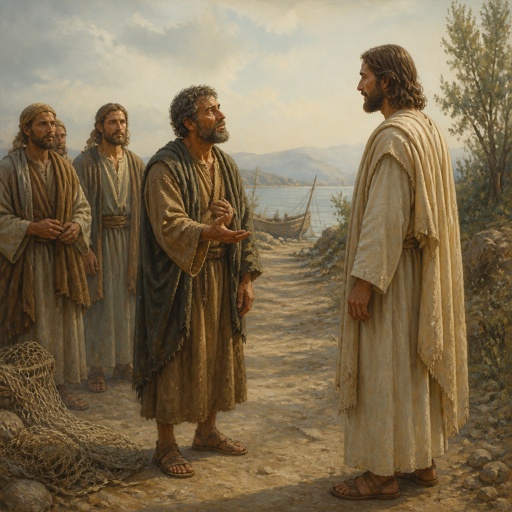
"¶ Then answered Peter and said unto him, Behold, we have forsaken all, and followed thee; what shall we have therefore?" - Matthew 19:27

John 19:25-27

John 19:26-27

Exodus 27:19-21

Matthew 22:27 - "And last of all the woman died also."

Matthew 27:39 - "¶ And they that passed by reviled him, wagging their heads,"

Matthew 27:18 - "For he knew that for envy they had delivered him."

Matthew 27:28 - "And they stripped him, and put on him a scarlet robe."

Matthew 19:13

Matthew 27:8 - "Wherefore that field was called, The field of blood, unto this day."