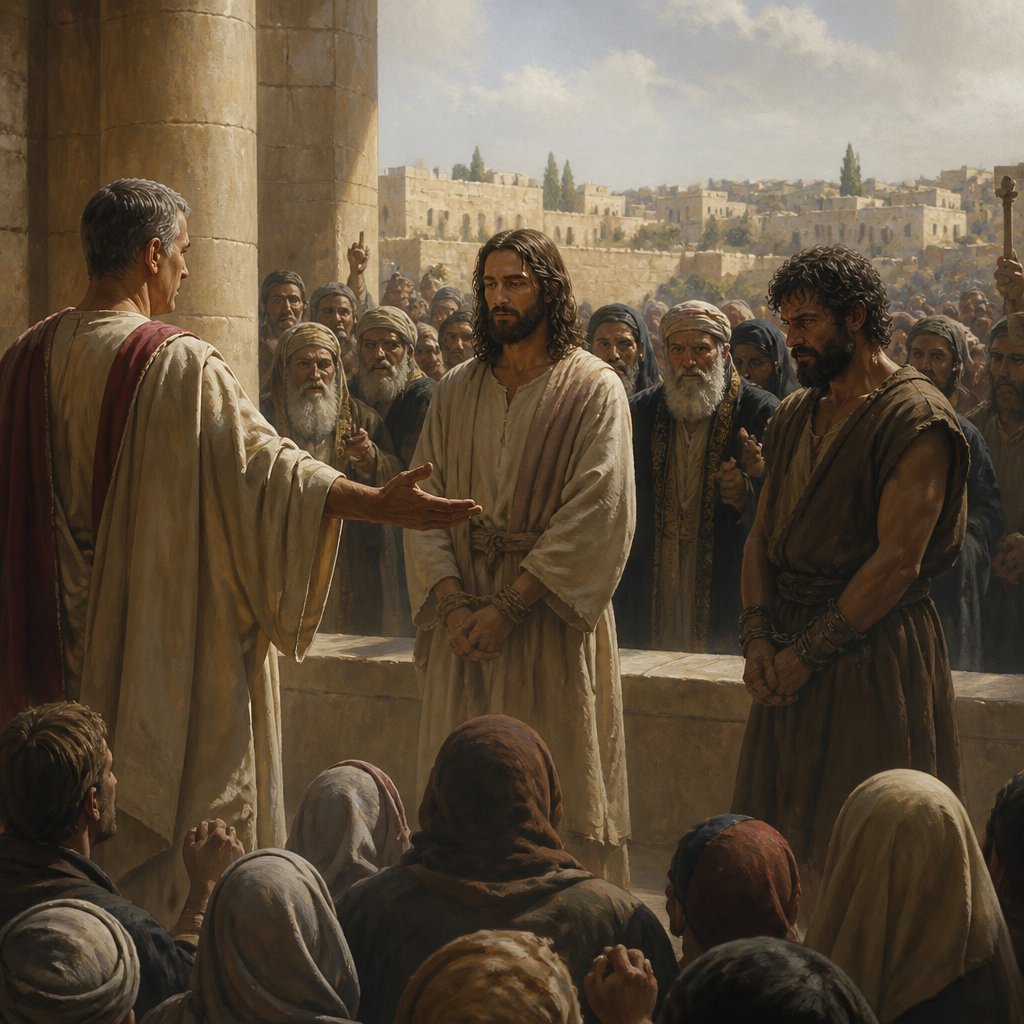
As we delve into the chilling narrative found in Matthew 27:20-23, we find ourselves standing in the midst of a tumultuous crowd, surrounded by Easter's deepest shadows. The verses, which read: "But the chief priests and elders persuaded the multitude that they should ask Barabbas, and destroy Jesus. The governor answered and said unto them, Whether of the twain will ye that I release unto you? They said, Barabbas. Pilate saith unto them, What shall I do then with Jesus which is called Christ? They all say unto him, Let him be crucified. And the governor said, Why, what evil hath he done? But they cried out the more, saying, Let him be crucified" (KJV), compel us to reflect on the themes of influence, choice, and the consequences of mob mentality.
In this moment recorded in Matthew, we witness a dramatic clash between good and evil, justice and injustice. Pilate, though reluctant and aware of Jesus's innocence, stands powerless against the overwhelming force of public opinion. The chief priests and elders, seeking to rid themselves of the threat that Jesus posed, masterfully manipulate the crowd's sentiments. How persuasive they were, as they turned the hearts of the people away from the embodiment of love and truth in Jesus toward a notorious criminal in Barabbas. Their actions remind us of the sinister power that persuasion holds, especially when wielded by those in authority.
Consider how easily the crowd shifted from celebrating Jesus’ triumphal entry to demanding His crucifixion within days. This transformation can prompt a self-examination regarding our own willingness to stand against the tide of popular opinion. Are there moments in our lives when we, too, are swayed by the opinions of those around us? How often do we find ourselves acquiescing to the majority – whether it be at work, in our social circles, or even within our churches – even when it contradicts what we know to be right? This passage stands as a stark warning against the danger of following the crowd.
The choice between Barabbas and Jesus presents a profound dilemma. Barabbas, a murderer, represents the ways of the world – violent, selfish, and destructive. When the crowd prays for his release, they unknowingly choose chaos over peace, darkness over light. In this modern era, we find ourselves faced with similar choices. The 'Barabbas' of our time could be anything that distracts us from Christ: materialism, pride, self-gratification… these are but modern-day criminals that seek our allegiance. The question we must grapple with is: what and who are we choosing each day? Are we opting for the fleeting pleasures of this world or the eternal joy that comes from knowing Christ?
As Pilate stood before the crowd, he posed a crucial question: "What shall I do then with Jesus which is called Christ?" This is a question every person must answer in their own lives. It is a question of submission, a question of recognition of who Jesus truly is. In our own hearts, do we respond with indifference, or do we declare, "I choose to follow Him?" Similar to the misguided multitude, we risk turning our backs on Christ if we do not consciously decide to accept Him daily.
Moreover, Pilate’s inquiry was met with a deafening chorus demanding Jesus's crucifixion. "Let him be crucified!" This phrase echoes through history, serving as a reminder of humanity's capacity for outright rejection of what is good and true. It compels reflection on how often we, in our own lives, cling to the very sin that put Jesus on the cross. Do we call for the destruction of our relationship with Him by harboring sin or by neglecting our spiritual growth?
As we meditate on Matthew 27:20-23, let us examine the influences in our life. Are we brokers of peace and advocates for Christ, or do we allow the alluring pull of popular opinion to sway us away from our allegiance to Him? May we, unlike the multitude, make intentional and courageous choices that reflect our commitment to Christ – recognizing Him as our Savior and choosing to promote His love and grace in all circumstances. Let us strive to shout, "Let Him reign in my heart!" instead of conforming to the pressures of our surroundings. In so doing, we embrace a life of fulfillment, rather than complicity in destruction.
Get our apps


Artwork for Matthew 27:20-23

Matthew 27:20-23 - "But the chief priests and the elders persuaded the crowd to ask for Barabbas and to have Jesus executed. “Which of the two do you want me to release to you?” asked the governor. “Barabbas,” they answered. “What shall I do, then, with Jesus who is called the Messiah?” Pilate asked. They all answered, “Crucify him!” “Why? What crime has he committed?” asked Pilate. But they shouted all the louder, “Crucify him!”"
"But the chief priests and the elders persuaded the crowd to ask for Barabbas and to have Jesus executed. “Which of the two do you want me to release to you?” asked the governor. “Barabbas,” they answered. “What shall I do, then, with Jesus who is called the Messiah?” Pilate asked. They all answered, “Crucify him!” “Why? What crime has he committed?” asked Pilate. But they shouted all the louder, “Crucify him!”" - Matthew 27:20-23

Matthew 20:27 - "And whosoever will be chief among you, let him be your servant:"

Matthew 27:20 - "But the chief priests and elders persuaded the multitude that they should ask Barabbas, and destroy Jesus."

Matthew 23:20 - "Whoso therefore shall swear by the altar, sweareth by it, and by all things thereon."

Matthew 27:23 - "And the governor said, Why, what evil hath he done? But they cried out the more, saying, Let him be crucified."

"And whosoever will be chief among you, let him be your servant:" - Matthew 20:27

Matthew 23:27 - "Woe unto you, scribes and Pharisees, hypocrites! for ye are like unto whited sepulchres, which indeed appear beautiful outward, but are within full of dead men's bones, and of all uncleanness."

"But the chief priests and elders persuaded the multitude that they should ask Barabbas, and destroy Jesus." - Matthew 27:20

"Whoso therefore shall swear by the altar, sweareth by it, and by all things thereon." - Matthew 23:20

Matthew 27:46

Matthew 27:35

Matthew 24:27

Matthew 27:26

Matthew 20:23 - "And he saith unto them, Ye shall drink indeed of my cup, and be baptized with the baptism that I am baptized with: but to sit on my right hand, and on my left, is not mine to give, but it shall be given to them for whom it is prepared of my Father."

Matthew 6:23
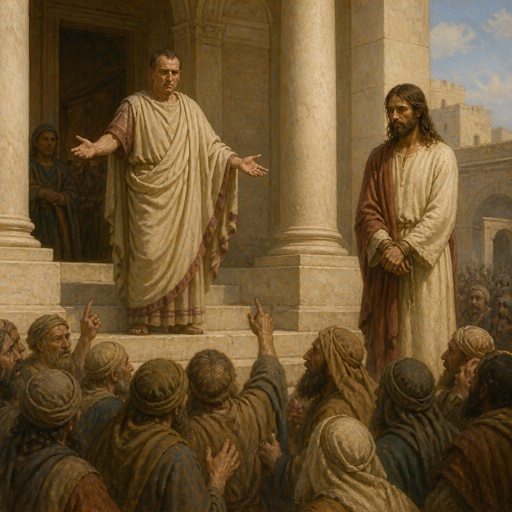
"And the governor said, Why, what evil hath he done? But they cried out the more, saying, Let him be crucified." - Matthew 27:23
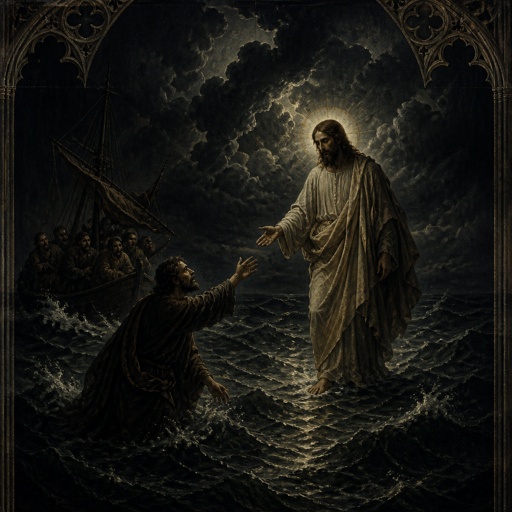
Matthew 14:27
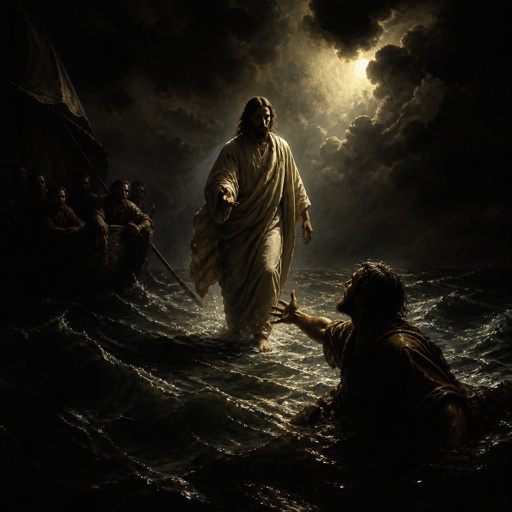
Matthew 14:27
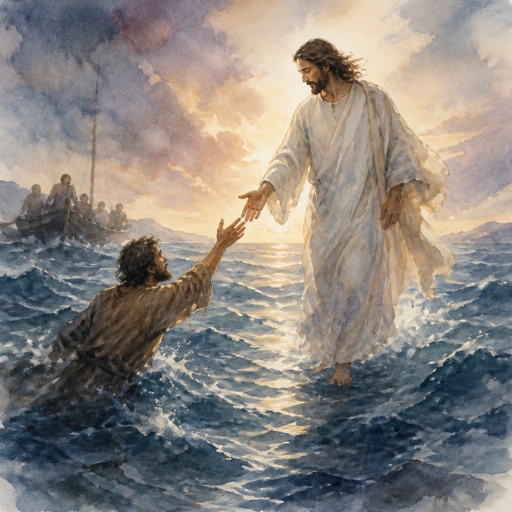
Matthew 14:27

Matthew 27:26

Matthew 27: 38

Exodus 27:20

Exodus 27:20

John 20:27

Exodus 27:20

John 20:27

Exodus 23:27-28

Matthew 27:27 - "Then the soldiers of the governor took Jesus into the common hall, and gathered unto him the whole band of soldiers."

Matthew 25:23