The Weight of Choice: Understanding Matthew 27:25
“Then answered all the people, and said, His blood be on us, and on our children.” — Matthew 27:25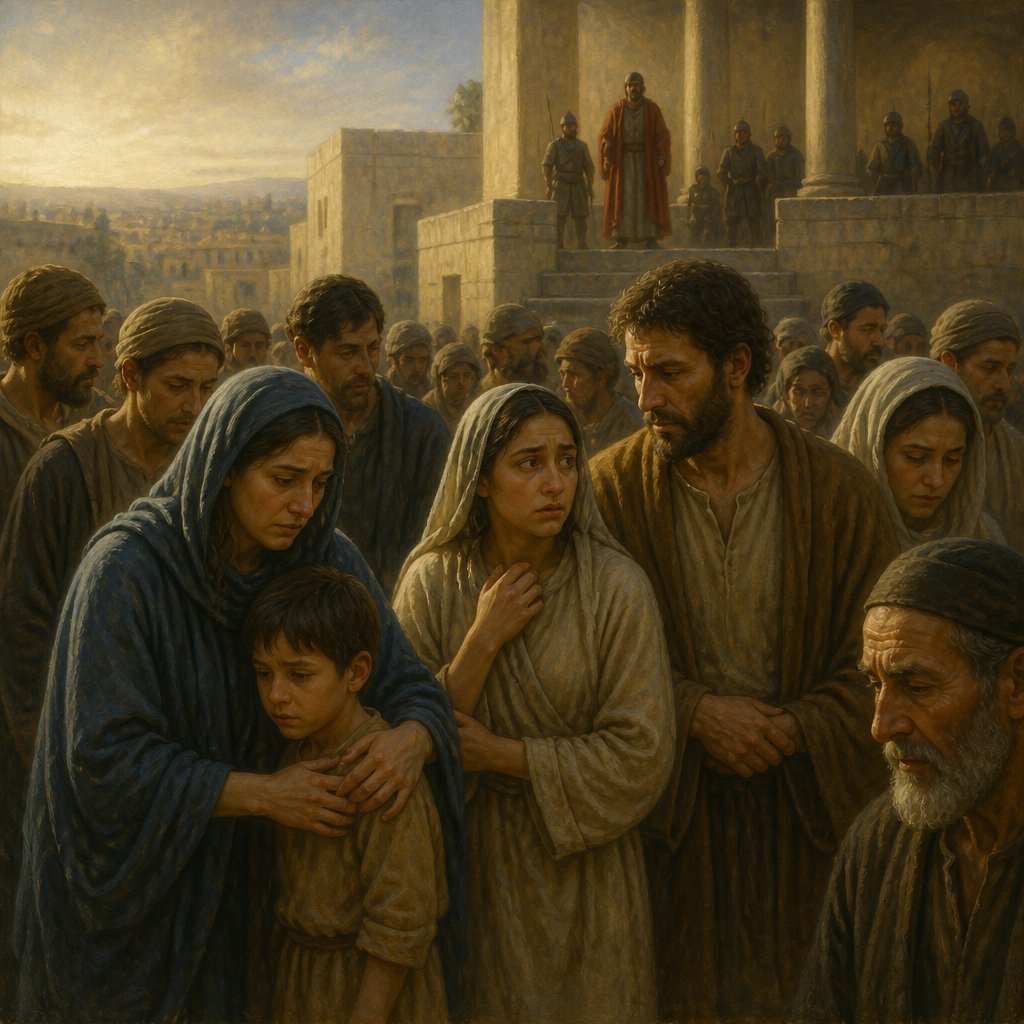
In the vast tapestry of Scripture, certain verses carry a weighty significance, echoing through the ages with their profound implications. Matthew 27:25 presents one such moment, where the crowd proclaims, "Then answered all the people, and said, His blood be on us, and on our children." This declaration arises at a critical juncture—the trial of Jesus before Pilate—a moment poised between the depths of human despair and the heights of divine purpose.
To fully grasp the enormity of this statement, it is vital to unpack the context surrounding it. Jesus, having been unjustly accused and beaten, stands before the people He came to save. At this moment of trial, Pilate, the Roman governor, offers the crowd a chance to release a prisoner for the Passover. The crowd can choose between Barabbas, a known insurrectionist and murderer, or Jesus, the healer and teacher. In an astounding turn of events, the crowd cries out for Barabbas, a choice steeped in sin and rebellion.
Yet, it is their subsequent proclamation, "His blood be on us, and on our children," that rises as a chilling cry of collective allegiance to death rather than life. The implications are monumental. In the Jewish tradition, blood represents life; it signifies purity, atonement, and covenant. By invoking His blood, the people are not merely accepting guilt; they are also asking for the repercussions of their choice to fall upon them and their descendants.
This utterance is steeped in irony. In seeking to absolve themselves from any responsibility for Jesus’ fate, they unwittingly pronounce their own condemnation. They choose physical salvation over spiritual redemption, denying the very One who holds the power to save them from sin. As believers, we must reflect on how often we, too, stand at similar crossroads, faced with choices that echo through our lives and generations to come.
As we meditate on this text, several themes emerge, prompting introspection and deeper understanding. First, we confront the nature of choice. Choices define the trajectories of our lives and impact those around us. In this instance, the crowd chose to reject the Messiah. We are also given daily choices to embrace faith, to extend grace, and to act with love or to gravitate toward the paths of anger, hate, and rejection. What choices are we making today? Are our actions aligning with the heart of God, or do they echo with the voices of the crowd that chose Barabbas?
Next, we must consider the generational impact of our decisions. The cry of the people was not limited to their current situation; they implicated future generations in their choice. This emphasizes the reality that our choices have reverberating consequences. As we raise our children and interact with others, we must be conscious of the legacy we build. Are we cultivating hearts that recognize the importance of Christ’s sacrifice, or are we perpetuating a mindset that turns away from Him?
Moreover, this verse invites us to reflect on our understanding of blood and sacrifice. Jesus’ blood, shed on Calvary, was meant to cover sin once and for all, offering us the gift of redemption. The crowd’s words stand as a stark reminder of a refusal of grace and a grim acceptance of guilt, whereas we who live in the New Testament age should embrace the fullness of that grace, understanding that His sacrifice was for all humanity.
In conclusion, Matthew 27:25 serves as both a cautionary tale and a call to action. It implores us to assess our choices, recognize their weight, and seek to live in the light of Christ’s redemptive sacrifice. As we navigate the complexities of our faith journey, let us seek to ensure that our voices promote life, that our choices echo the love of Jesus, and that we build a legacy rooted in hope, grace, and the transformative power of His blood.
Get our apps


Artwork for Matthew 27:25

Matthew 27:25 - "Then answered all the people, and said, His blood be on us, and on our children."
"Then answered all the people, and said, His blood be on us, and on our children." - Matthew 27:25

Matthew 25:27 - "Thou oughtest therefore to have put my money to the exchangers, and then at my coming I should have received mine own with usury."

Matthew 25:25

Matthew 25: 14-25

1 Corinthians 9:25-27

1 Corinthians 9:25-27

Genesis 25-27
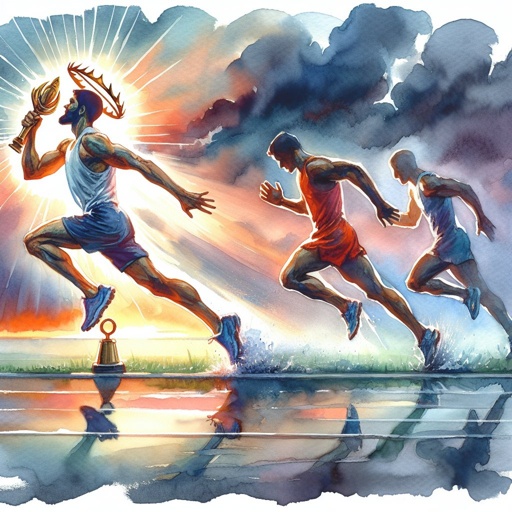
1 Corinthians 9:25-27

1 Corinthians 9:25-27

Matthew 27:46

Matthew 27:35

Matthew 24:27

Matthew 27:26

John 19:25-27

John 19:25-27
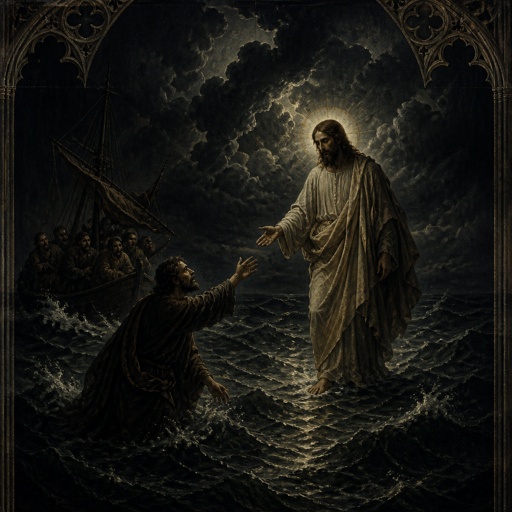
Matthew 14:27
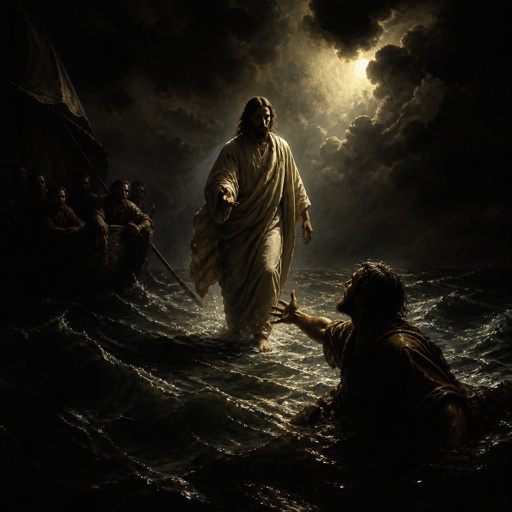
Matthew 14:27
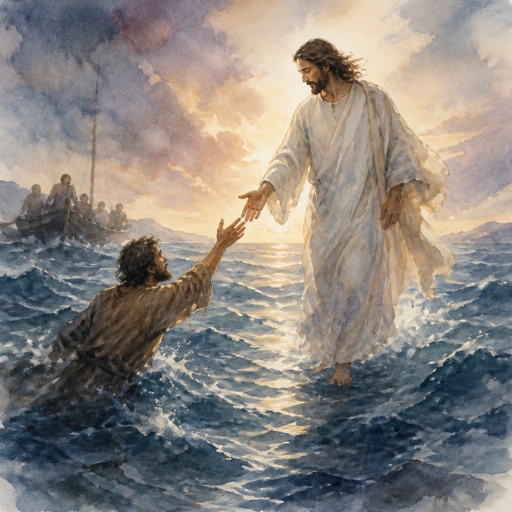
Matthew 14:27

Matthew 27:26

Matthew 27: 38

Matthew 26:25

Matthew 16:25

Matthew 25:21

Matthew 25:23

matthew 25:31

Matthew 25:21

Matthew 25:23

Matthew 21:25
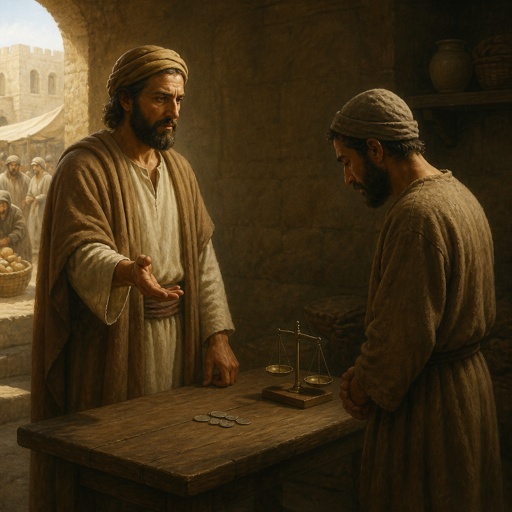
"Thou oughtest therefore to have put my money to the exchangers, and then at my coming I should have received mine own with usury." - Matthew 25:27