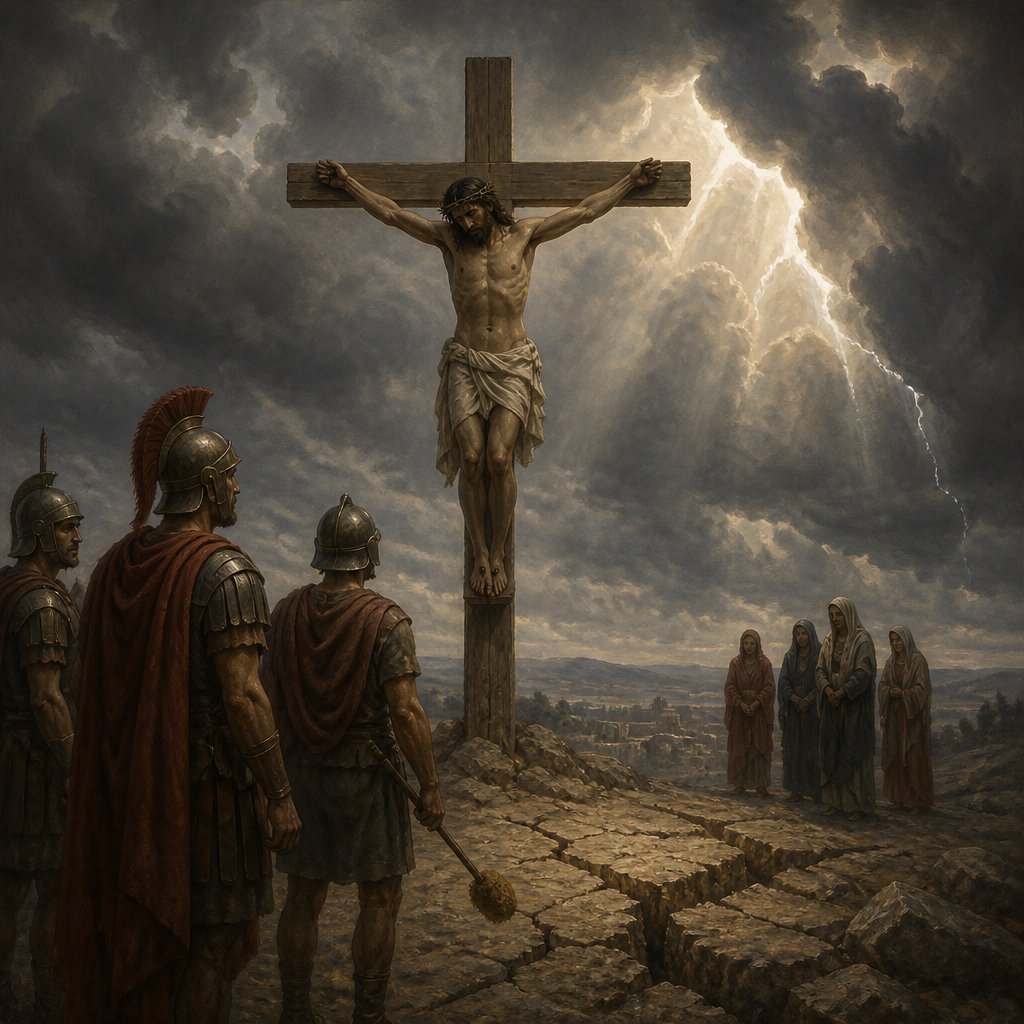
As we reflect on Matthew 27:45-56, we are confronted with the ultimate sacrifice made by our Lord and Savior, Jesus Christ. The passage begins with a profound moment of darkness that enveloped the land from noon until three in the afternoon—a time that should have been filled with light. This darkness is significant, marking the weight of sin and separation from God as Jesus bears the iniquities of the world upon His shoulders.
In verse 46, we hear the anguished cry of Jesus: "Eli, Eli, lama sabachthani?"—My God, my God, why hast thou forsaken me? This profound statement reveals the depth of His suffering, not just physically but spiritually. Here, Jesus is not merely expressing his abandonment; He is fulfilling prophecy, referencing Psalm 22. This Psalm mirrors the suffering of Christ, highlighting that His feelings of forsakenness are part of the redemptive story that God was weaving through history. In this moment, we see the duality of Jesus as fully God and fully man—His human nature experiences the pain of separation from the Father, a vital aspect of the salvation plan.
The crowd surrounding the crucifixion misinterprets His words, thinking He is calling for Elijah, demonstrating how physical understanding often falls short of spiritual realities. Yet, this moment is telling of the human condition—when confronted with divine truths, we can easily misinterpret and overlook the weight of what is truly happening. When we are faced with suffering, are we quick to seek understanding, or do we instead venture to let those around us fill the silence with assumptions?
Verse 50 states that Jesus, after crying out again, "yielded up the ghost." This act of yielding signifies His obedience to the Father's will, fulfilling the plan of salvation. The moment is pivotal; as the veil of the temple is rent in twain from top to bottom (verse 51), barriers between God and man are obliterated. This act symbolizes the end of an era—no longer do we require a high priest to intercede for us; through Jesus’ sacrifice, we have direct access to God. How often do we take for granted this profound truth? The veil corresponds to the very separation that Jesus took upon Himself on the cross, allowing us to enter boldly into His presence.
The subsequent events—the earthquake, the rending of rocks, and the opening of graves—speak to the cosmic implications of Jesus’ death. In verse 52, we read that many bodies of the saints arose, illustrating that through the death of one, life abounds and overcomes death itself. This transformation from death to life is at the heart of the Gospel message: through Christ’s suffering and sacrifice, death no longer holds us captive.
The response of the centurion and those with him is telling. Witnessing the seismic events and the demeanor of Jesus leads them to declare, "Truly this was the Son of God" (verse 54). Here is a reminder to us all: our encounters with Jesus, particularly in moments of struggle and surrender, can illuminate our understanding of His nature and divinity. Those who are watching the unfolding events—whether they are believers or skeptics—experience a revelation of truth that compels them to acknowledge the greatness of Christ.
Lastly, we see the women who followed Jesus, ministering to Him, watching from a distance (verses 55-56). Their presence emphasizes the role of faithful discipleship, as they stand with Christ through His agony. They become witnesses to the darkest hour in history, yet their faithfulness foreshadows the joyful news of His resurrection.
As we meditate on this passage, let us recognize the significance of the darkness that fell upon the land and the profound reality of Christ’s sacrificial love. It brings hope that the darkest of trials can lead to the dawn of resurrection life. When we too encounter our moments of darkness, may we remember that God is present, working all things for His glory, leading us toward the ultimate light of the resurrection.
Get our apps


Artwork for Matthew 27:45-56
"From noon until three in the afternoon darkness came over all the land. About three in the afternoon Jesus cried out in a loud voice, “Eli, Eli, lema sabachthani?” (which means “My God, my God, why have you forsaken me?”). When some of those standing there heard this, they said, “He’s calling Elijah.” Immediately one of them ran and got a sponge. He filled it with wine vinegar, put it on a staff, and offered it to Jesus to drink. The rest said, “Now leave him alone. Let’s see if Elijah comes to save him.” And when Jesus had cried out again in a loud voice, he gave up his spirit. At that moment the curtain of the temple was torn in two from top to bottom. The earth shook, the rocks split and the tombs broke open. The bodies of many holy people who had died were raised to life. They came out of the tombs after Jesus’ resurrection and went into the holy city and appeared to many people. When the centurion and those with him who were guarding Jesus saw the earthquake and all that had happened, they were terrified, and exclaimed, “Surely he was the Son of God!” Many women were there, watching from a distance. They had followed Jesus from Galilee to care for his needs. Among them were Mary Magdalene, Mary the mother of James and Joseph, and the mother of Zebedee’s sons." - Matthew 27:45-56

Matthew 27:45-56 - "From noon until three in the afternoon darkness came over all the land. About three in the afternoon Jesus cried out in a loud voice, “Eli, Eli, lema sabachthani?” (which means “My God, my God, why have you forsaken me?”). When some of those standing there heard this, they said, “He’s calling Elijah.” Immediately one of them ran and got a sponge. He filled it with wine vinegar, put it on a staff, and offered it to Jesus to drink. The rest said, “Now leave him alone. Let’s see if Elijah comes to save him.” And when Jesus had cried out again in a loud voice, he gave up his spirit. At that moment the curtain of the temple was torn in two from top to bottom. The earth shook, the rocks split and the tombs broke open. The bodies of many holy people who had died were raised to life. They came out of the tombs after Jesus’ resurrection and went into the holy city and appeared to many people. When the centurion and those with him who were guarding Jesus saw the earthquake and all that had happened, they were terrified, and exclaimed, “Surely he was the Son of God!” Many women were there, watching from a distance. They had followed Jesus from Galilee to care for his needs. Among them were Mary Magdalene, Mary the mother of James and Joseph, and the mother of Zebedee’s sons."
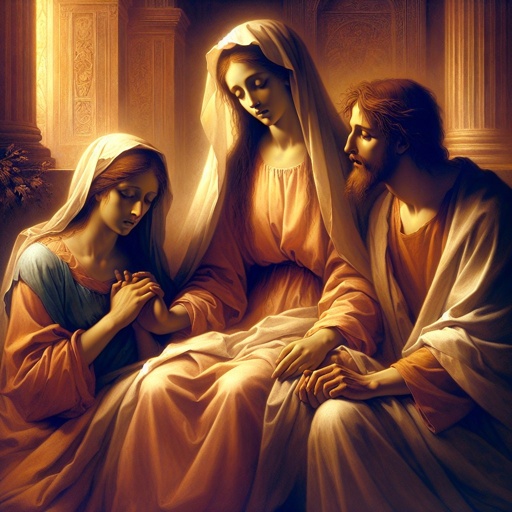
Matthew 27:56 - "Among which was Mary Magdalene, and Mary the mother of James and Joses, and the mother of Zebedee's children."

Matthew 27:45 - "Now from the sixth hour there was darkness over all the land unto the ninth hour."
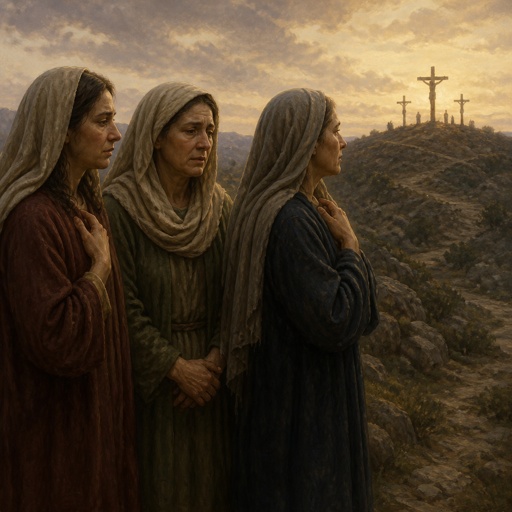
"Among which was Mary Magdalene, and Mary the mother of James and Joses, and the mother of Zebedee's children." - Matthew 27:56

Matthew 27:55-56 - "And many women were there beholding afar off, which followed Jesus from Galilee, ministering unto him: Among which was Mary Magdalene, and Mary the mother of James and Joses, and the mother of Zebedee's children."

"Now from the sixth hour there was darkness over all the land unto the ninth hour." - Matthew 27:45
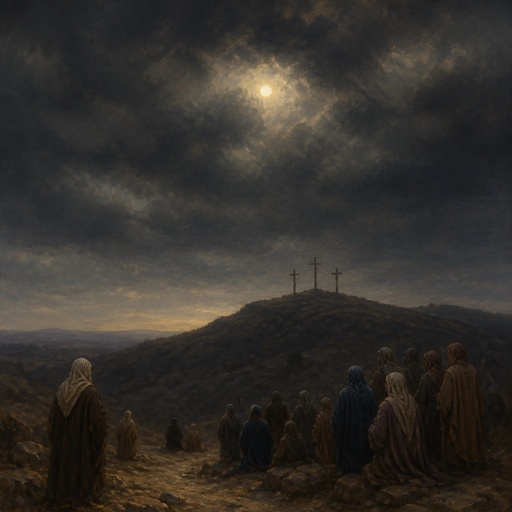
"Now from the sixth hour there was darkness over all the land unto the ninth hour." - Matthew 27:45

Matthew 13:56 - "And his sisters, are they not all with us? Whence then hath this man all these things?"

Matthew 26:56 - "But all this was done, that the scriptures of the prophets might be fulfilled. Then all the disciples forsook him, and fled."

Matthew 24:45-51

Matthew 22:45 - "If David then call him Lord, how is he his son?"
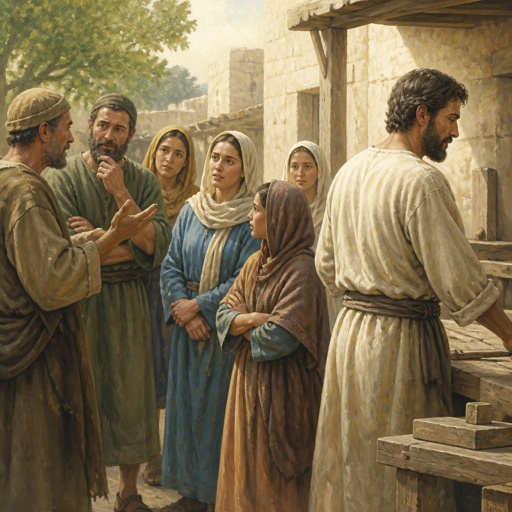
"And his sisters, are they not all with us? Whence then hath this man all these things?" - Matthew 13:56

Matthew 13:45 - "¶ Again, the kingdom of heaven is like unto a merchant man, seeking goodly pearls:"
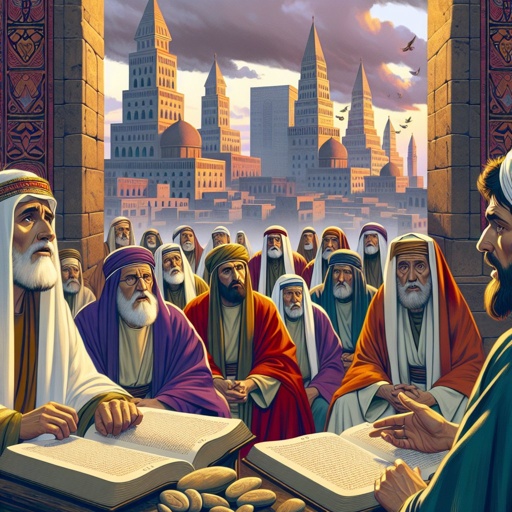
Matthew 21:45 - "And when the chief priests and Pharisees had heard his parables, they perceived that he spake of them."

Matthew 5:45 KJVA (45) That ye may be the children of your Father which is in heaven: for he maketh his sun to rise on the evil and on the good, and sendeth rain on the just and on the unjust.
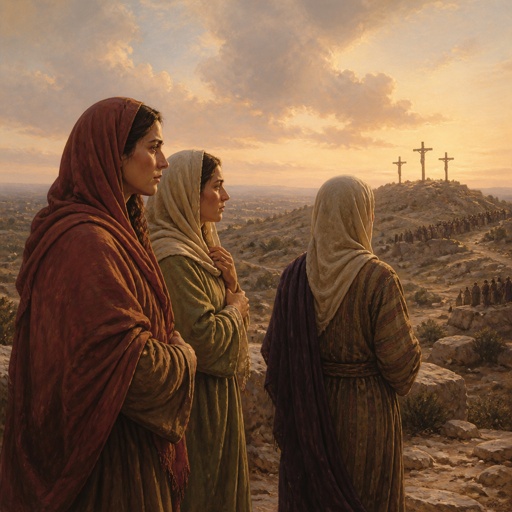
"And many women were there beholding afar off, which followed Jesus from Galilee, ministering unto him: Among which was Mary Magdalene, and Mary the mother of James and Joses, and the mother of Zebedee's children." - Matthew 27:55-56
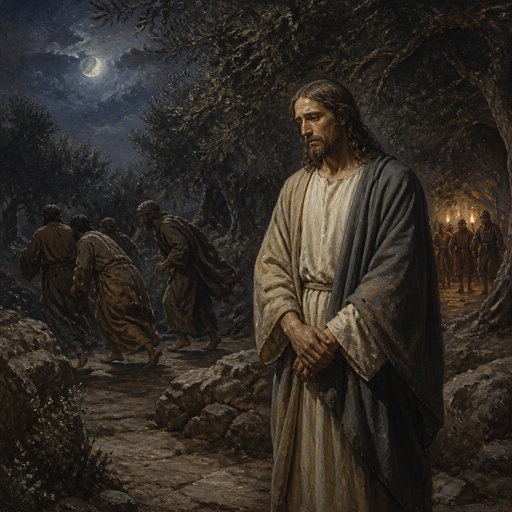
"But all this was done, that the scriptures of the prophets might be fulfilled. Then all the disciples forsook him, and fled." - Matthew 26:56

Matthew 27:46

Matthew 27:35

Matthew 24:27

Matthew 27:26
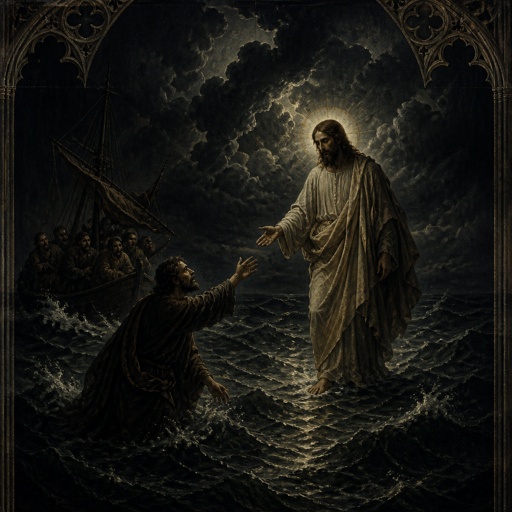
Matthew 14:27
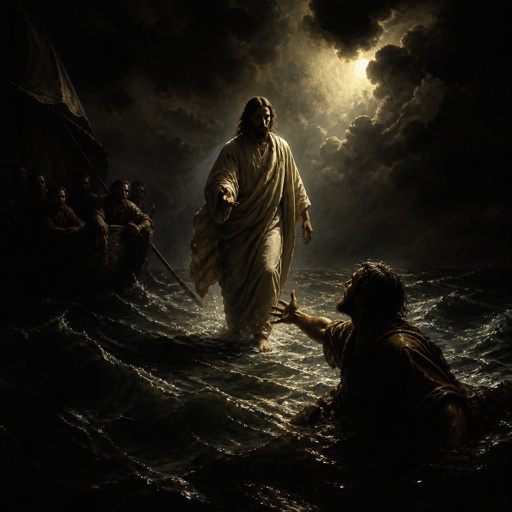
Matthew 14:27
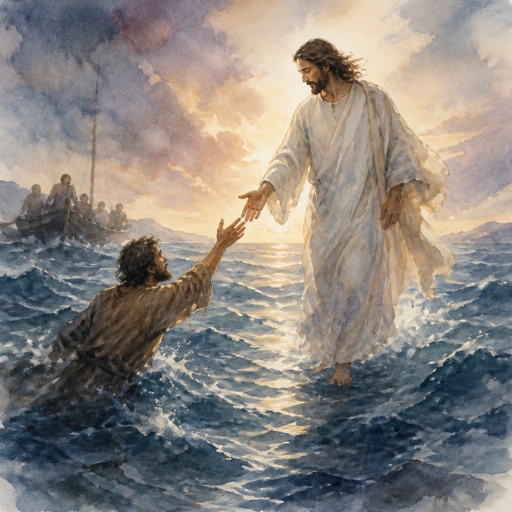
Matthew 14:27

Matthew 27:26

Matthew 27: 38

Matthew 5:45 - "That ye may be the children of your Father which is in heaven: for he maketh his sun to rise on the evil and on the good, and sendeth rain on the just and on the unjust."

Matthew 25:45 - "Then shall he answer them, saying, Verily I say unto you, Inasmuch as ye did it not to one of the least of these, ye did it not to me."
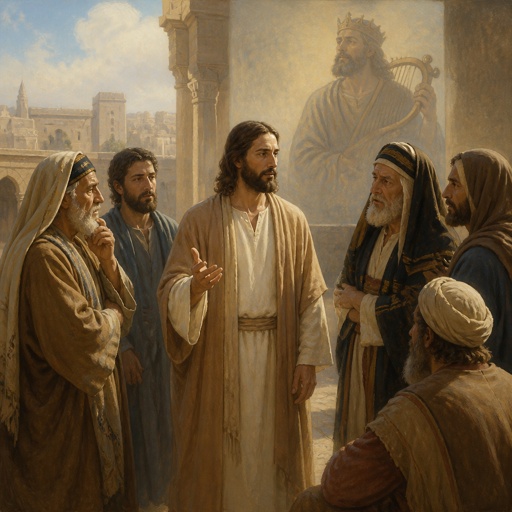
"If David then call him Lord, how is he his son?" - Matthew 22:45