The Dark of Night: Reflecting on Deception and Divine Truth
“Saying, Say ye, His disciples came by night, and stole him away while we slept.” — Matthew 28:13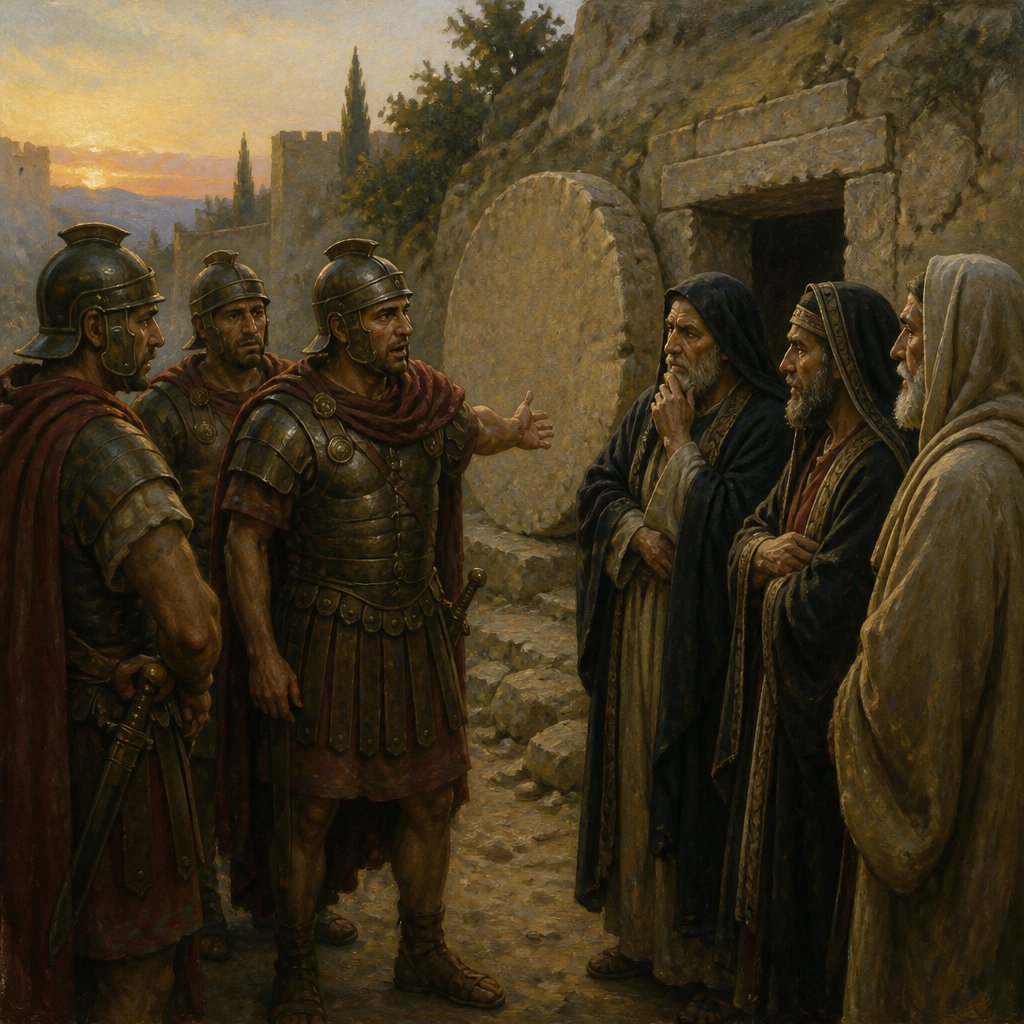
In Matthew 28:13, we encounter a pivotal moment following the resurrection of Jesus. The verse reads, "Saying, Say ye, His disciples came by night, and stole him away while we slept." This statement emerges from the religious leaders, who were desperate to undermine the undeniable truth of the resurrection. The claim bears significance not just because of its context but also for how it speaks to our spiritual lives today.
As the dawn broke on that first Resurrection Sunday, the earth shook, and the angel of the Lord rolled back the stone from Jesus’ tomb. Yet, instead of celebrating the victory over death, the Jewish leaders chose to fabricate a story. They instigated a narrative that portrayed the disciples as thieves—stealing the body of Christ while the guards slumbered. This deceitful account serves as a profound reminder of how the truth can often be met with resistance and how darkness can manipulate even the most sacred events.
The act of sleeping at their posts indicates a gross failure of responsibility on the part of the guards, but it is also reflective of a spiritual slumber that many may experience in their walk with God. Christ’s resurrection signifies new life and hope; however, when we become complacent or allow the busyness of life to distract us, we too may miss the miraculous working of God. The guards, representing the world’s opposition, succumbed to fear and insecurity, preferring to endorse a false narrative rather than accept the awe-inspiring reality of resurrection.
In our lives, how often do we find ourselves sleeping when we should be alert? The call to vigilance is echoed throughout Scripture—"Watch and pray, that ye enter not into temptation: the spirit indeed is willing, but the flesh is weak" (Matthew 26:41, KJV). The disciples, too, faced moments of fear and confusion, and yet the call for them—and for us—remains: stay awake, consider the fullness of God’s truth, and share it with the world.
The deception presented by the religious leaders was aimed not just at discrediting the resurrection but also at steering the hearts of the people away from the truth of Jesus. The strategy was clear: confuse the masses, instill doubt, and perpetuate a lie. In doing so, they sought to protect their authority rather than honor the truth that Jesus is who He said He is—the Son of God, conqueror of sin and death. This moment in Matthew reminds us that deception often comes from those in positions of power, seeking to maintain control over the narrative of our faith.
However, let’s reflect on the purpose of this deception. There is a fear that drives those who reject the truth of God’s word. The thought of resurrection implies a call to accountability, a challenge to live righteously. When confronted with the transformative power of Jesus’ resurrection, hearts built on vanity and pride can only shake in fear.
As believers, we must stand firm against such narratives. The resurrection of Christ heralds hope, purpose, and the promise of eternal life for those who accept Him. We must spread the genuine truth of the Gospel, countering every lie with the light of Christ. This requires our commitment as watchmen in the spiritual realm: observing, praying, and standing firm against the enemy’s tactics of deceit.
In conclusion, let us take to heart the exhortation of Matthew 28:13. It not only invites us to recognize the deception of the world but also calls us to embody the truth of Christ’s resurrection in our lives. Let us not sleep through the miracles God has placed around us. Instead, let us awaken our spirits and boldly proclaim the truth that He is alive, and He is changing lives today. Engage with the world, declare the hope of Jesus, and be vigilant in your faith journey.
Get our apps


Artwork for Matthew 28:13

Matthew 28:13 - "Saying, Say ye, His disciples came by night, and stole him away while we slept."
"Saying, Say ye, His disciples came by night, and stole him away while we slept." - Matthew 28:13
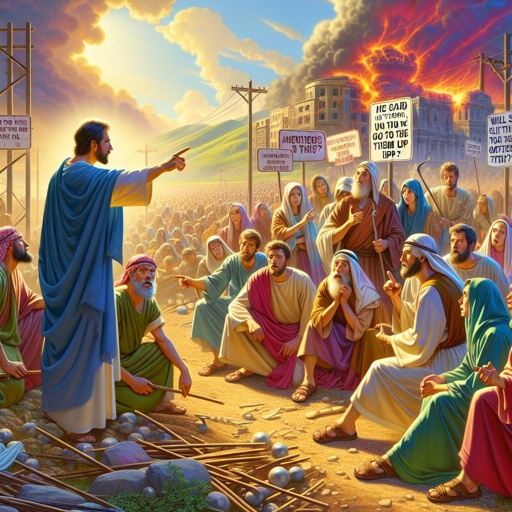
Matthew 13:28 - "He said unto them, An enemy hath done this. The servants said unto him, Wilt thou then that we go and gather them up?"

matthew 28:19

matthew 28:19

MATTHEW 28: 23

matthew 8:28

Matthew 23:28

Matthew 28:11

Matthew 23:28
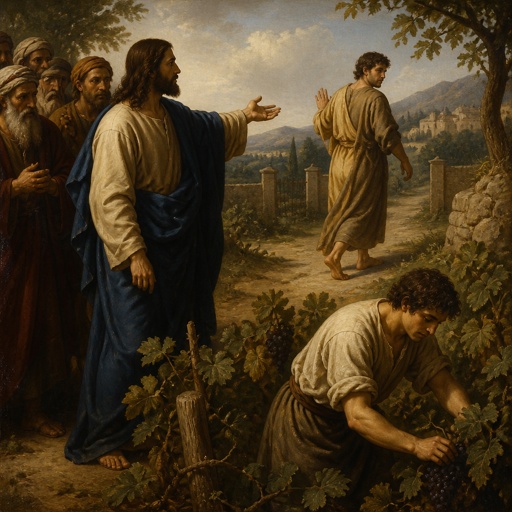
Matthew 21:28-32

Matthew 28:19-20

Matthew 28: 19-20

Matthew 28:19-20

Matthew 28:19-20

Matthew 24:28 - "For wheresoever the carcase is, there will the eagles be gathered together."

Genesis 28-13

Ezekiel 28:13

Matthew 13

Matthew 27:28 - "And they stripped him, and put on him a scarlet robe."

Matthew 8:13

Matthew 8:13

Matthew 8:13

Matthew 28:17 - "And when they saw him, they worshipped him: but some doubted."

Matthew 13

Mark 13:28-37

Mark 13:28-37

Matthew 28:4 - "And for fear of him the keepers did shake, and became as dead men."

Matthew 28:3 - "His countenance was like lightning, and his raiment white as snow:"

Matthew 7:13-14