The Prophetic Promise: Finding Jesus in Bethlehem
"And they said unto him, In Bethlehem of Judaea: for thus it is written by the prophet," - Matthew 2:5
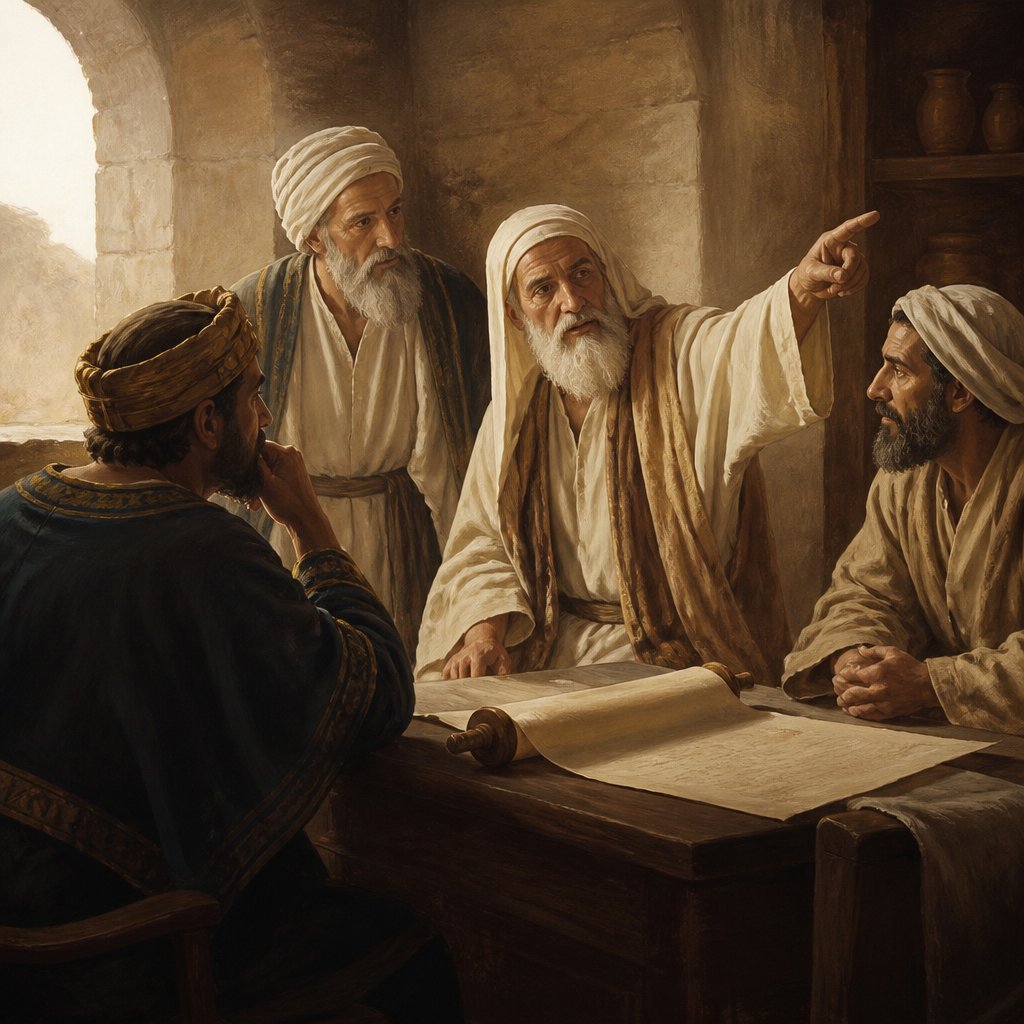
In Matthew 2:5, we encounter a moment infused with prophecy and purpose: "And they said unto him, In Bethlehem of Judaea: for thus it is written by the prophet." This encapsulates not only a pivotal moment in the story of Jesus’ birth but also highlights the profound significance of prophecy in God's plan of redemption.
The setting of this verse is crucial. After the wise men from the East arrive in Jerusalem seeking the newborn King, they ask King Herod where the Christ child can be found. The religious leaders respond by citing the prophecy found in Micah 5:2, which states that the Messiah would be born in Bethlehem. This moment is emblematic of the larger theme of fulfillment found throughout the Scriptures; it assures us that God’s promises are precise and trustworthy.
Bethlehem, known as the city of David, is not merely a geographic location but a symbol steeped in historical significance and divine intention. It is here that God chose to reveal His promise to the world, contrasting the might of Jerusalem with the humility of a small town. This choice underlines a key tenet of God’s kingdom: that it often comes in unexpected forms and in the least likely places. We see this theme resonate throughout scripture—God choosing the weak to confound the wise, the lowly to elevate, and even a shepherd boy to be king.
As we reflect on the prophetic words that led the wise men to Bethlehem, we can find profound encouragement in understanding how God orchestrates His plans. Every detail of Christ’s birth, including His place of birth, was anticipated long before it happened, illustrating His sovereign control over time and history. When we face uncertainty or trials in our lives, remembering that God’s plan is already established can provide comfort. Just as he guided the wise men, He guides us too—often following a path that may seem hidden but is always within His will.
The term “prophet” is significant in this context. Prophets were messengers, often speaking words of warning, hope, or instruction from God. They were the voice of God’s covenant with His people and conveyed the promise of redemption. Jesus, the Messiah, was the culmination of these prophetic messages—each one affirming that humanity would not be left without hope or direction. The wise men’s journey to Bethlehem signifies a recognition of divine authority; they sought not merely a newborn child but the fulfillment of all prophetic promises.
In our daily lives, we might ask ourselves how we respond to the fulfillment of God’s promises. Do we recognize the prophetic words in our lives? Are we attentive to His guidance? Like the wise men who followed the star, we must open our hearts to follow the signs God provides us, trusted not only in Scripture but also in our personal journeys. Each step taken in faith, whether small or large, brings us closer to the heart of God.
Moreover, we should ponder how the humble beginnings in Bethlehem speak to us today. In a world that often values grandeur, God chose simplicity. This serves as a reminder that greatness in His kingdom often looks different than what we may envision. Our faithfulness in the small things lays the groundwork for larger works He calls us to.
In conclusion, Matthew 2:5 is more than a geographical reference; it is a declaration of hope and fulfillment. As we meditate on this verse, let us embrace the truth that God’s plans are perfect and His promises are sure. May we acknowledge that even in our humble spaces—the 'Bethlehems' of our lives—God is at work fulfilling His promises. Embrace this season as you seek, knowing that in seeking Him, you find the extraordinary nestled within the ordinary.
Want to reflect more on Matthew 2:5?
Continue your spiritual journey with Bible Chat — an AI-powered tool for exploring God's Word through conversation. Ask questions, discover connections, and deepen your understanding.
Get Our Apps


Matthew 2:5 Artwork

Matthew 2:5 - "And they said unto him, In Bethlehem of Judaea: for thus it is written by the prophet,"
"And they said unto him, In Bethlehem of Judaea: for thus it is written by the prophet," - Matthew 2:5

Matthew 5:2 - "And he opened his mouth, and taught them, saying,"
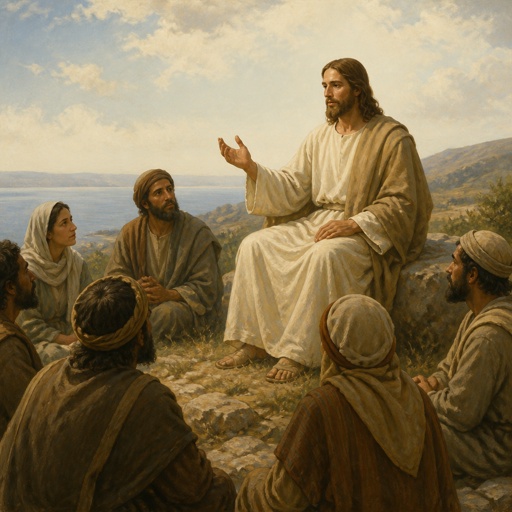
"And he opened his mouth, and taught them, saying," - Matthew 5:2

Matthew 5:5 - "Blessed are the meek: for they shall inherit the earth."

Matthew 5:44

Matthew 5:44

Matthew 5

Matthew 5

Matthew 5:44

Matthew 5:44

Matthew 5

Matthew 5:44

Matthew 5:44

Matthew 5:14

Matthew 5:44

Matthew 6:5

Matthew 5:14

Matthew 5:38

Matthew 5:30

Matthew 5:15

Matthew 5:15

Matthew 5:30

Matthew 5:38

Matthew 5:1 a 12

Matthew 5:8-12

matthew 5 13-20

"Blessed are the meek: for they shall inherit the earth." - Matthew 5:5

Matthew 5:1 a 12

Matthew 5:4 - "Blessed are they that mourn: for they shall be comforted."