Fleeing the Wrath: A Call to True Repentance
"¶ But when he saw many of the Pharisees and Sadducees come to his baptism, he said unto them, O generation of vipers, who hath warned you to flee from the wrath to come?" - Matthew 3:7
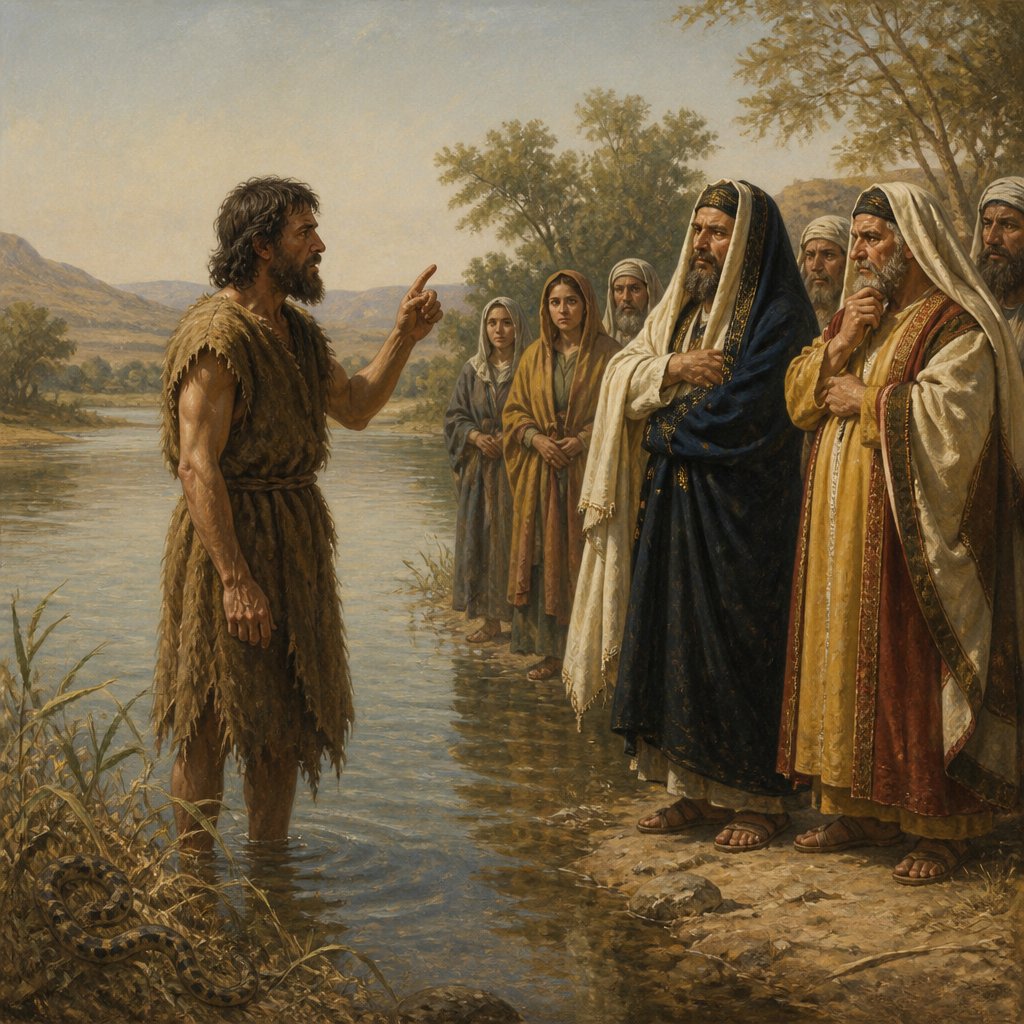
In the midst of a grand prophetic calling, John the Baptist made a striking entrance into the hearts of the people of Judea. His message was one of urgency and divine correction, aimed primarily at addressing the spiritual condition of Israel. In Matthew 3:7, we encounter a moment laden with intensity: "But when he saw many of the Pharisees and Sadducees come to his baptism, he said unto them, O generation of vipers, who hath warned you to flee from the wrath to come?" This verse captures not only the fiery spirit of John but also the profound weight of the message that arose from it.
### Understanding the Context
To fully grasp the significance of John’s declaration, we must contextualize the elements at play. The Pharisees and Sadducees were the religious elite of Israel, holding vast influence over the people. The Pharisees championed rigorous adherence to the law, while the Sadducees, in contrast, focused on the Temple’s rituals and dismiss the resurrection of the dead. Their arrival at John's baptism signifies their acknowledgment of his ministry to some extent, but John's reaction reveals the disconnect between their outward actions and their inner spiritual state.
### A Generation of Vipers
Referring to them as a “generation of vipers” was not just a derogatory label—it was a severe indictment that called into question their motives and spiritual integrity. Vipers are known for their deadly poison and deceptive appearances; similarly, the religious leaders had cultivated a façade of piety that hid the corruption and hypocrisy beneath. By asking, “who hath warned you to flee from the wrath to come?”, John challenges their understanding of righteousness. It suggests that their mere attendance at his baptism was insufficient without true repentance.
### The Wrath to Come
John's mention of “the wrath to come” serves as a sobering reminder of God’s impending judgment. It draws our attention to the reality that divine justice is a fundamental aspect of God's character. The judgment referred to here encompasses both the temporal judgments seen throughout history and the ultimate eschatological judgment when God will lay bare the hearts of all people. It beckons us to confront uncomfortable truths about sin, judgment, and the necessity of genuine repentance.
### The Call to Repentance
In the essence of John’s message is the divine call to repentance. To turn away from our sins and towards God’s righteousness is not a passive act, nor is it merely a verbal assertion. It demands a transformation of the heart and mind, a commitment to align one’s life with the teachings of God. For the Pharisees and Sadducees, the challenge was immense—they were being called to relinquish their rigid legalism and engage in a heartfelt relationship with God, which would be the antithesis of their practices.
### What about Us?
As we reflect upon this verse, let it kindle in us an introspection about our own lives. Are we performing acts of faith that hold no sincerity? Are we clothed in religious garments while our hearts remain distant from God’s call? The warning issued by John resounds through centuries, urging us not to delude ourselves with empty ritualistic observance but instead embrace authentic transformation.
### Conclusion
In today’s world, taking heed of John’s profound question is more relevant than ever. We, too, are faced with a plethora of teachings that can lead us astray if we are not rooted in the truth of Scripture and the transformative power of the Gospel. Let us not be like the Pharisees and Sadducees, caught up in external showings without the weight of genuine repentance. Instead, let us strive to be a people who flee from the wrath to come by pursuing righteousness, truth, and a living faith in Jesus Christ. Let us heed the call from John the Baptist to renew our hearts, so we may stand justified before a holy God.
Want to reflect more on Matthew 3:7?
Continue your spiritual journey with Bible Chat — an AI-powered tool for exploring God's Word through conversation. Ask questions, discover connections, and deepen your understanding.
Get Our Apps


Matthew 3:7 Artwork

Matthew 3:7 - "¶ But when he saw many of the Pharisees and Sadducees come to his baptism, he said unto them, O generation of vipers, who hath warned you to flee from the wrath to come?"
"¶ But when he saw many of the Pharisees and Sadducees come to his baptism, he said unto them, O generation of vipers, who hath warned you to flee from the wrath to come?" - Matthew 3:7

Matthew 7:3 - "And why beholdest thou the mote that is in thy brother's eye, but considerest not the beam that is in thine own eye?"

Matthew 7:3 And why do you look at the speck in your brother’s eye, but do not consider the plank in your own eye?
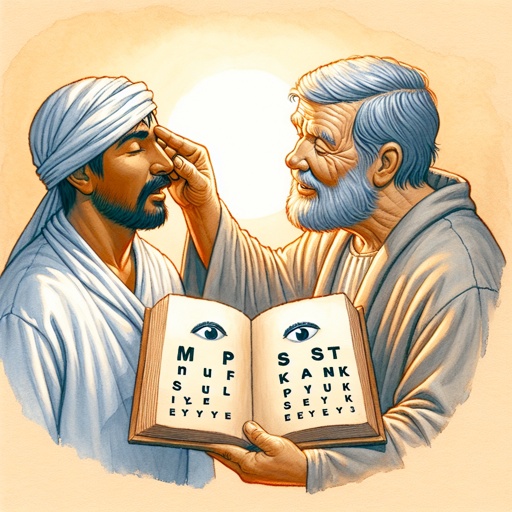
Matthew 7:3 And why do you look at the speck in your brother’s eye, but do not consider the plank in your own eye?

Matthew 7:3 And why do you look at the speck in your brother’s eye, but do not consider the plank in your own eye?

Matthew 7:7
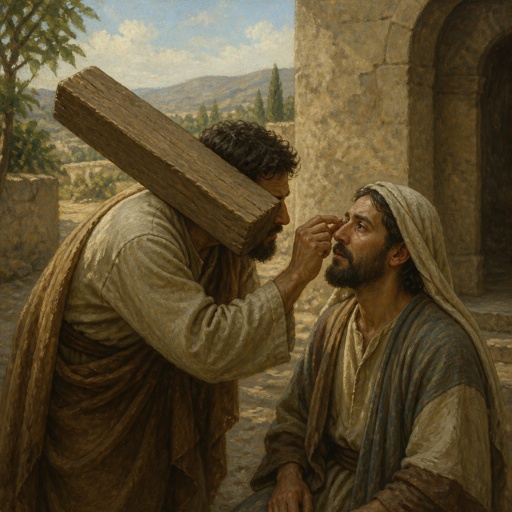
"And why beholdest thou the mote that is in thy brother's eye, but considerest not the beam that is in thine own eye?" - Matthew 7:3

Matthew 7:13-14

Matthew 7:13-14

Matthew 7:13-14

Matthew 7:13-14

Matthew 7:13-14

Matthew 7:13-14

Matthew 7:13-14

Matthew 7:13-14

Matthew 7:13-14

Matthew 7:13-14

Matthew 7:13-14

Matthew 3:11

Matthew 3:16

Matthew 3:11

Matthew 3:11

Matthew 3:11

Matthew 3:11

Matthew 3:16

Matthew 3:16

Matthew 3:11

Matthew 7:13

Matthew 7:12