The Divine Temptation: Trusting God Beyond Trials
“Jesus said unto him, It is written again, Thou shalt not tempt the Lord thy God.” — Matthew 4:7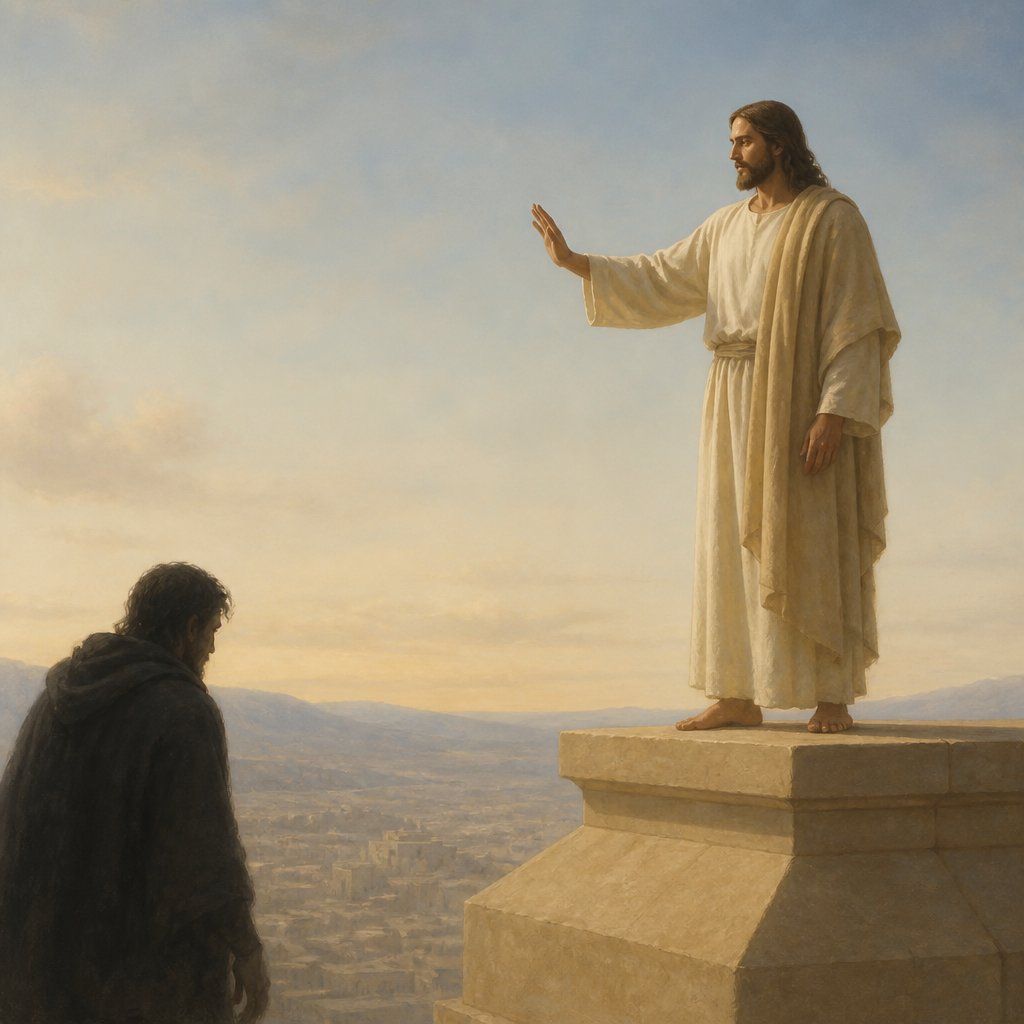
In Matthew 4:7, we encounter a pivotal moment in the ministry of Jesus: "Jesus said unto him, It is written again, Thou shalt not tempt the Lord thy God." This verse is part of a larger narrative describing the temptation of Christ by Satan in the wilderness. As we delve into this scripture, we discover profound insights regarding faith, obedience, and our relationship with God.
First, it's essential to understand the context of this passage. Following His baptism, Jesus was led by the Spirit into the wilderness, where He fasted for forty days and nights. At the end of this period, He faced three significant temptations. Each one was designed to undermine His mission and identity as the Son of God. The second temptation involved Satan challenging Jesus to throw Himself from the pinnacle of the temple, arguing that angels would protect Him. In response, Jesus quotes Deuteronomy 6:16, thus reminding us that our faith must never become an occasion for testing the limits of God's promises.
The phrase "Thou shalt not tempt the Lord thy God" calls us to reflect on what it means to test God's patience or His ability to deliver us. Tempting God involves placing Him in a position to prove Himself – as if we somehow hold the power to demand evidence of His goodness or faithfulness. This attitude stems from a lack of trust and understanding of His nature. When we dictate terms to God, we subtly define Him within the limitations of our circumstances.
In our daily lives, it’s common to face situations that test our faith. Perhaps we encounter trials where we feel abandoned or question whether God hears our prayers. It can be easy to fall into the trap of saying, "If God is really there, why is this happening?" or "God, if you love me, show me a sign!" These sentiments mirror the essence of tempting God—putting our Creator on trial when we must instead lean into faith and acknowledge His sovereignty.
In making this declaration, Jesus teaches us that the relationship we have with God must be rooted in trust and reverence, not negotiations. Each of us faces our wilderness experiences where our faith may be strained or challenged. This is where the lesson of Matthew 4:7 becomes crucial. It serves as a beacon, guiding us to respond to our trials not with demands, but with devotion.
Reflecting on this scripture leads us to ask ourselves: how often do we test God? We might not consciously do so, but our doubt and fears can manifest in ways that challenge how we relate to Him. When we question God’s faithfulness during difficult times, we indicate a misunderstanding of His character. God is not a genie in a bottle awaiting our commands; He is a loving Father who desires an intimate relationship with us, marked by faith and trust.
Moreover, Jesus’s response to Satan reveals another layer of meaning: it emphasizes the importance of immersing ourselves in Scripture. Jesus did not rely on His own understanding or rhetorical skills to counter temptation; rather, He turned to the Word of God. This exemplifies the power of the Scriptures in fortifying our faith. Familiarity with God’s Word empowers us to face challenges and resist the pull to test Him. In the face of adversity, knowing His promises allows us to stand firm, grounded in the assurance of His eternal presence and unshakeable love.
As we meditate on Matthew 4:7, let’s evaluate our hearts. Are there areas where we have unknowingly tested God? Let us commit to placing our full trust in Him, knowing that His plans may not always align with our understanding. In our trials, instead of seeking signs or tests, may we earnestly pray for faith that is unwavering and a heart that rests in His timing.
In conclusion, let us remember that to trust God means to surrender our expectations and to rest in the assurance that He is good, all the time. As we become more deeply acquainted with Scripture, we will find that the ability to rise above life’s temptations becomes easier, as we equip ourselves with God’s promises and truths.
May the Holy Spirit guide us as we reflect on these profound truths and transform us into faithful servants who do not test our Lord but honor Him in all circumstances.
Get our apps


Artwork for Matthew 4:7

Matthew 4:7 - "Jesus said unto him, It is written again, Thou shalt not tempt the Lord thy God."

Matthew 4:7… Jesus responded the scriptures also say you must not test the Lord your God
"Jesus said unto him, It is written again, Thou shalt not tempt the Lord thy God." - Matthew 4:7

Matthew 21:21 Philippians 4:6-7 Ephesians 6:10-18 Put the words on the photo

Matthew 21:21 Philippians 4:6-7 Ephesians 6:10-18

Matthew 7:4 - "Or how wilt thou say to thy brother, Let me pull out the mote out of thine eye; and, behold, a beam is in thine own eye?"

Matthew 7:7

Matthew 7:13-14

Matthew 7:13-14

Matthew 7:13-14

Matthew 7:13-14

Matthew 7:13-14

Matthew 7:13-14

Matthew 7:13-14

Matthew 7:13-14

Matthew 7:13-14

Matthew 7:13-14

Matthew 7:13-14

Matthew 7:13

Matthew 7:12

Matthew 7:12

matthew 7:23
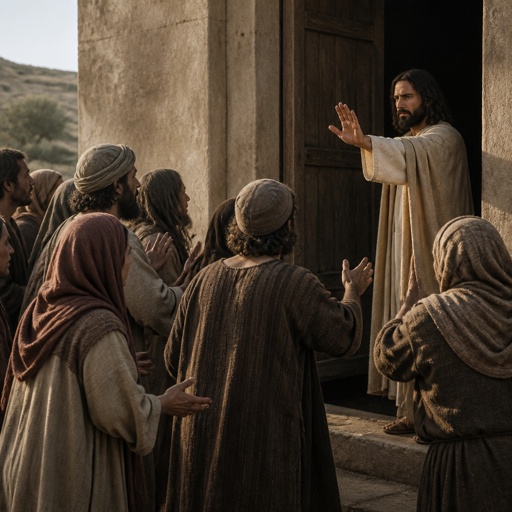
Matthew 7:21-23

Matthew 7:13-14

Matthew 7:13-14

Matthew 7:13-14

Matthew 7:13-14

Matthew 7:13-14

Matthew 7:13-14

Matthew 7:13-14