The Weight of Anger and the Call to Reconciliation
“But I say unto you, That whosoever is angry with his brother without a cause shall be in danger of the judgment: and whosoever shall say to his brother, Raca, shall be in danger of the council: but whosoever shall say, Thou fool, shall be in danger of hell fire. Therefore if thou bring thy gift to the altar, and there rememberest that thy brother hath ought against thee; Leave there thy gift before the altar, and go thy way; first be reconciled to thy brother, and then come and offer thy gift.” — Matthew 5:22-24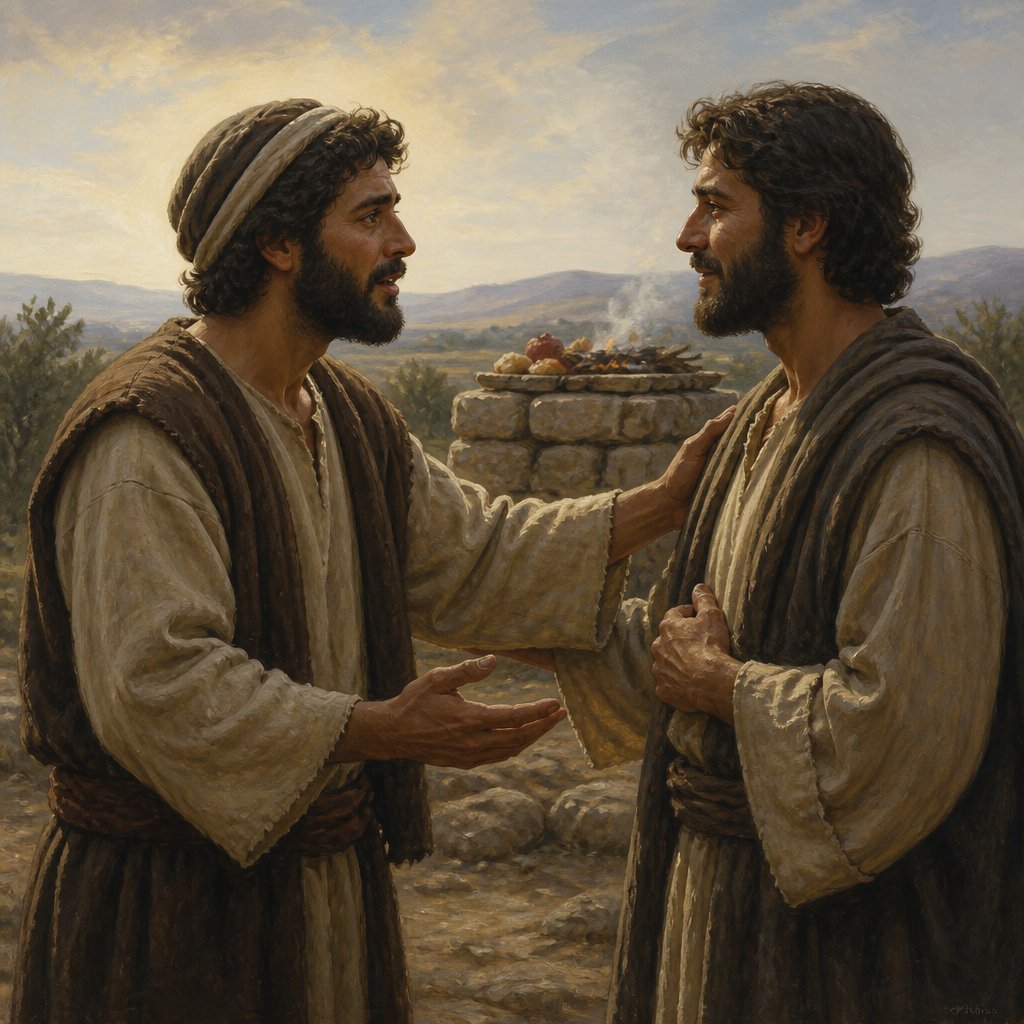
The heart of the Christian life is rooted in love, a profound love exhibited by Christ, which calls us not only to worship but also to reflect on the state of our hearts. In Matthew 5:22-24 (KJV), Jesus addresses the grave issue of anger and reconciliation: "But I say unto you, That whosoever is angry with his brother without a cause shall be in danger of the judgment: and whosoever shall say to his brother, Raca, shall be in danger of the council: but whosoever shall say, Thou fool, shall be in danger of hell fire. Therefore if thou bring thy gift to the altar, and there rememberest that thy brother hath aught against thee; Leave there thy gift before the altar, and go thy way; first be reconciled to thy brother, and then come and offer thy gift."
As we meditate on this passage, we uncover layers of meaning that challenge our understanding of what it means to live a righteous life in the eyes of God. The first part of the verse speaks about anger—a powerful emotion that can quickly ignite into sin if not properly managed. Jesus warns about harboring anger towards our brothers and sisters. Why does He make such a bold statement? Because anger, especially when it lacks a cause, can lead us down a slippery path of judgment, bitterness, and division.
In our daily lives, feelings of anger can arise from misunderstandings, unmet expectations, or jealousy. We might find ourselves judging a brother or sister in Christ, sometimes even to the point of calling them names or demeaning their worth by labeling them "Raca" or "fool." In the cultural context of Jesus’ time, calling someone "Raca" was a serious insult implying that they were worthless, while referring to someone as a "fool" could lead to a condemning judgment against their character. Both reveal a heart that has not been transformed by the love of Christ and stands in danger of severe consequences. This indicates the seriousness with which God views our relationships with others; our words and actions hold weight in His eyes.
The powerful and sobering point made here is that our relationship with God is intricately connected to our relationships with others. Jesus emphasizes that worship—represented by bringing gifts to the altar—should be preceded by reconciliation. This means that before we seek communion with God, we must first seek to mend our broken relationships. The directive is clear: if we recall that our brother has anything against us, it is imperative that we leave our offering, go to our brother, and seek reconciliation. This illustrates not only the gravity of unresolved conflict but also our responsibility in taking the initiative to restore harmony.
This passage challenges us to reflect on our own lives. Are there grudges that we are holding onto? Do we allow anger to fester within us, creating a barrier between ourselves and those we are called to love? Perhaps it is time to confront these feelings, ask for forgiveness, or extend forgiveness to those whom we feel have wronged us. The call to be reconciled is not merely a suggestion; it is a divine imperative imbued with grace.
God desires unity among His people. Saint Paul echoes this sentiment in Ephesians 4:26-27, where he implores believers to "be angry, and sin not: let not the sun go down upon your wrath: neither give place to the devil." The act of reconciliation creates space for healing, not just in our hearts but also within the body of Christ. When we embrace reconciliation, we embody Christ's love, demonstrating what it means to live in harmony with one another.
As we approach the throne of grace in worship, let us not forget the command to love one another deeply. Let us strive not to let anger take hold in our hearts but to seek peace whenever discord arises. And may we carry the heart of Jesus into every encounter, reflecting His light into this world in need of His embrace. In doing so, our worship will not only be pleasing to God but transformative to us and those around us.
Get our apps


Artwork for Matthew 5:22-24

Matthew 5:22-24 - "But I say to you that everyone who is angry with his brother will be liable to judgment; whoever insults his brother will be liable to the council; and whoever says, 'You fool!' will be liable to the hell of fire. So if you are offering your gift at the altar and there remember that your brother has something against you, leave your gift there before the altar and go. First be reconciled to your brother, and then come and offer your gift."
"But I say to you that everyone who is angry with his brother will be liable to judgment; whoever insults his brother will be liable to the council; and whoever says, 'You fool!' will be liable to the hell of fire. So if you are offering your gift at the altar and there remember that your brother has something against you, leave your gift there before the altar and go. First be reconciled to your brother, and then come and offer your gift." - Matthew 5:22-24

James 2:2-4

Matthew 24:22 - "And except those days should be shortened, there should no flesh be saved: but for the elect's sake those days shall be shortened."

Matthew 22:5 - "But they made light of it, and went their ways, one to his farm, another to his merchandise:"

Matthew 24:5 - "For many shall come in my name, saying, I am Christ; and shall deceive many."
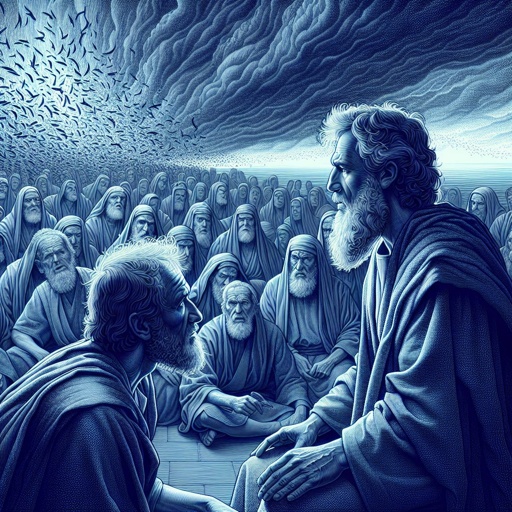
Matthew 22:24 - "Saying, Master, Moses said, If a man die, having no children, his brother shall marry his wife, and raise up seed unto his brother."

Matthew 5:24 - "Leave there thy gift before the altar, and go thy way; first be reconciled to thy brother, and then come and offer thy gift."
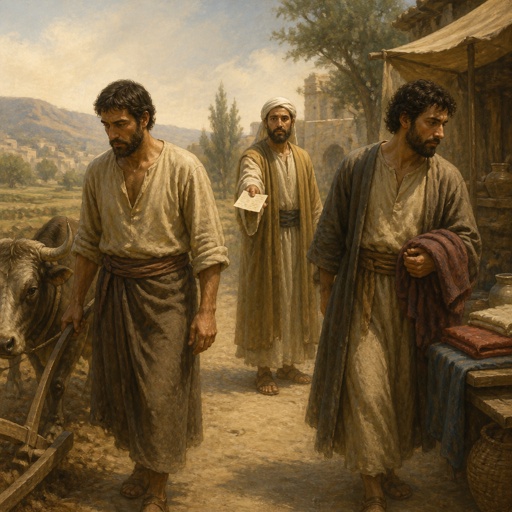
"But they made light of it, and went their ways, one to his farm, another to his merchandise:" - Matthew 22:5

Matthew 5:24 leave your gift there before the altar, and go your way. First be reconciled to your brother, and then come and offer your gift.

Matthew 24:35

Matthew 24:35

Matthew 24:35

Matthew 24:35

Matthew 24:35

Matthew 24:35

Matthew 24:35

Matthew 24:35

Matthew 24:35

Matthew 24:35
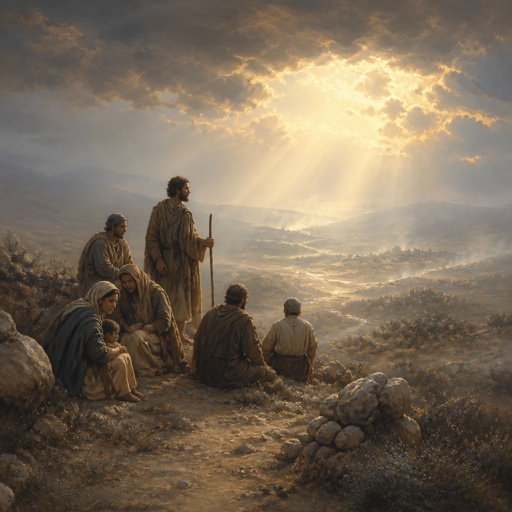
"And except those days should be shortened, there should no flesh be saved: but for the elect's sake those days shall be shortened." - Matthew 24:22

"For many shall come in my name, saying, I am Christ; and shall deceive many." - Matthew 24:5

Matthew 5:23-24 - "Therefore, if you are offering your gift at the altar and there remember that your brother or sister has something against you, leave your gift there in front of the altar. First go and be reconciled to them; then come and offer your gift."

Matthew 24:15

Matthew 24:27

Matthew 6:24

Matthew 24:8

Matthew 9:21-22

Matthew 6:24

Matthew 6:24