The Weight of Unforgiveness: Embracing Divine Mercy
"But if ye forgive not men their trespasses, neither will your Father forgive your trespasses." - Matthew 6:15
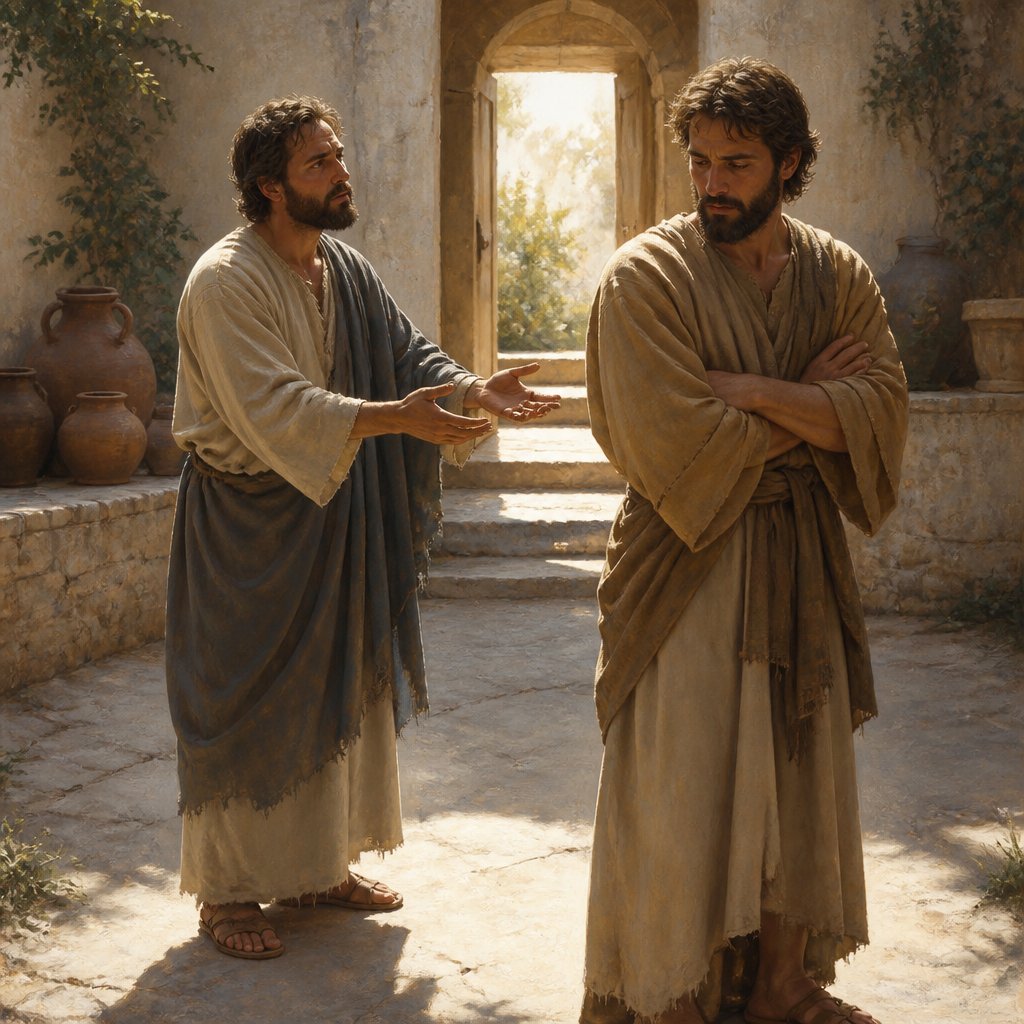
In Matthew 6:15, the Lord Jesus speaks a profound truth, stating, "But if ye forgive not men their trespasses, neither will your Father forgive your trespasses." This verse compels us to ponder the gravity of forgiveness in our spiritual journey. Forgiveness is not simply a noble act; it is a crucial aspect of living a life that is aligned with the heart of God.
To understand the weight of this teaching, we need to delve into the nature of God’s forgiveness and how it interacts with our human experiences. In the Lord’s Prayer, just prior to this verse, Jesus teaches us to pray for forgiveness: "And forgive us our debts, as we forgive our debtors" (Matthew 6:12 KJV). This prayer encapsulates the reciprocal nature of forgiveness; receiving God’s mercy calls us to extend that mercy to others. It is an essential rhythm of grace that underpins our relationship with God.
Yet, why is unforgiveness so detrimental? Unforgiveness is often rooted in pain, disappointment, and betrayal. It can fester in our hearts, leading to bitterness that taints our perception of others and even ourselves. When we choose to hold onto grudges, we imprison our hearts in a cycle of resentment. Instead of freeing ourselves through forgiveness, we allow the very offense to control our emotions and actions, pulling us further away from God.
Think about the immeasurable grace we receive from our Heavenly Father. No sin, no trespass is too great to be forgiven by His loving hand. In our human nature, we often struggle to comprehend how we could forgive those who have wronged us deeply. David acknowledges this struggle in Psalm 51, where he cries out to God for restoration after his sin with Bathsheba and the murder of Uriah. He seeks a clean heart, realizing that true repentance involves not just sorrow for sin, but a commitment to align his heart with God’s will.
The challenge of forgiveness is highlighted in the parable of the unforgiving servant (Matthew 18:23-35). In this story, a servant who was forgiven a monumental debt refuses to extend mercy to someone who owes him a trivial amount. When the king learns of this, he is enraged and revokes his mercy. This parable serves as a poignant reminder that our forgivable acts of kindness must mirror the enormity of what we have been given grace for.
As Christians, we are called to reflect the character of Christ, who demonstrated ultimate forgiveness at the cross. As He was crucified, with pain piercing through His body, He uttered the words, "Father, forgive them; for they know not what they do" (Luke 23:34 KJV). In that moment, He recognized the ignorance and deeper spiritual blindness that often lead people into sin. He, the ultimate embodiment of grace, chose forgiveness over retaliation, love over hate.
We find strength to forgive not in our own ability, but in the power of the Holy Spirit working through us. Forgiveness is not a feeling; it is a deliberate choice we must make, even when it feels nearly impossible. Failing to forgive others restricts our relationship with God. When we forgive, we open the door to experience His grace fully.
Today, reflect on who you need to forgive. Bring those names to God in prayer. Ask the Holy Spirit to soften your heart towards those who have hurt you. Understand that forgiveness does not condone the wrong done; rather, it liberates you from the chains of bitterness. May we embrace the grace we've received, choosing to extend that same grace to others, thus fulfilling the Lord's command. Remember, true restoration comes when we free ourselves through the power of forgiveness. As we forgive, we will find our own trespasses forgiven, illuminating our path back to the heart of the Father.
Want to reflect more on Matthew 6:15?
Continue your spiritual journey with Bible Chat — an AI-powered tool for exploring God's Word through conversation. Ask questions, discover connections, and deepen your understanding.
Get Our Apps


Matthew 6:15 Artwork

Matthew 6:15 - "But if ye forgive not men their trespasses, neither will your Father forgive your trespasses."
"But if ye forgive not men their trespasses, neither will your Father forgive your trespasses." - Matthew 6:15

Luke 6:15 - "Matthew and Thomas, James the son of Alphaeus, and Simon called Zelotes,"

Matthew 15:6 - "And honour not his father or his mother, he shall be free. Thus have ye made the commandment of God of none effect by your tradition."

matthew 15 matthew 15:10
"Matthew and Thomas, James the son of Alphaeus, and Simon called Zelotes," - Luke 6:15

Matthew 6:6

Matthew 6:14-15 - "For if you forgive other people when they sin against you, your heavenly Father will also forgive you. But if you do not forgive others their sins, your Father will not forgive your sins."

Matthew 26:15

Matthew 26:15

Matthew 15:23

Matthew 24:15

Matthew 15:15 - "Then answered Peter and said unto him, Declare unto us this parable."

Matthew 5:15

Matthew 15:23

Matthew 5:15

Matthew 6:23

Matthew 17:14-15

Matthew 15 : 1-20

Matthew 18:6

Matthew 6:34

Matthew 18:6

Matthew 6:22

Matthew 6:18

Matthew 6:22

Matthew 6:14

Matthew 6:24

Matthew 6:30

Matthew 6:5

Matthew 6:34