The Beauty of Divinely Given Clarity
“And why take ye thought for raiment? Consider the lilies of the field, how they grow; they toil not, neither do they spin: And yet I say unto you, That even Solomon in all his glory was not arrayed like one of these.” — Matthew 6:28-29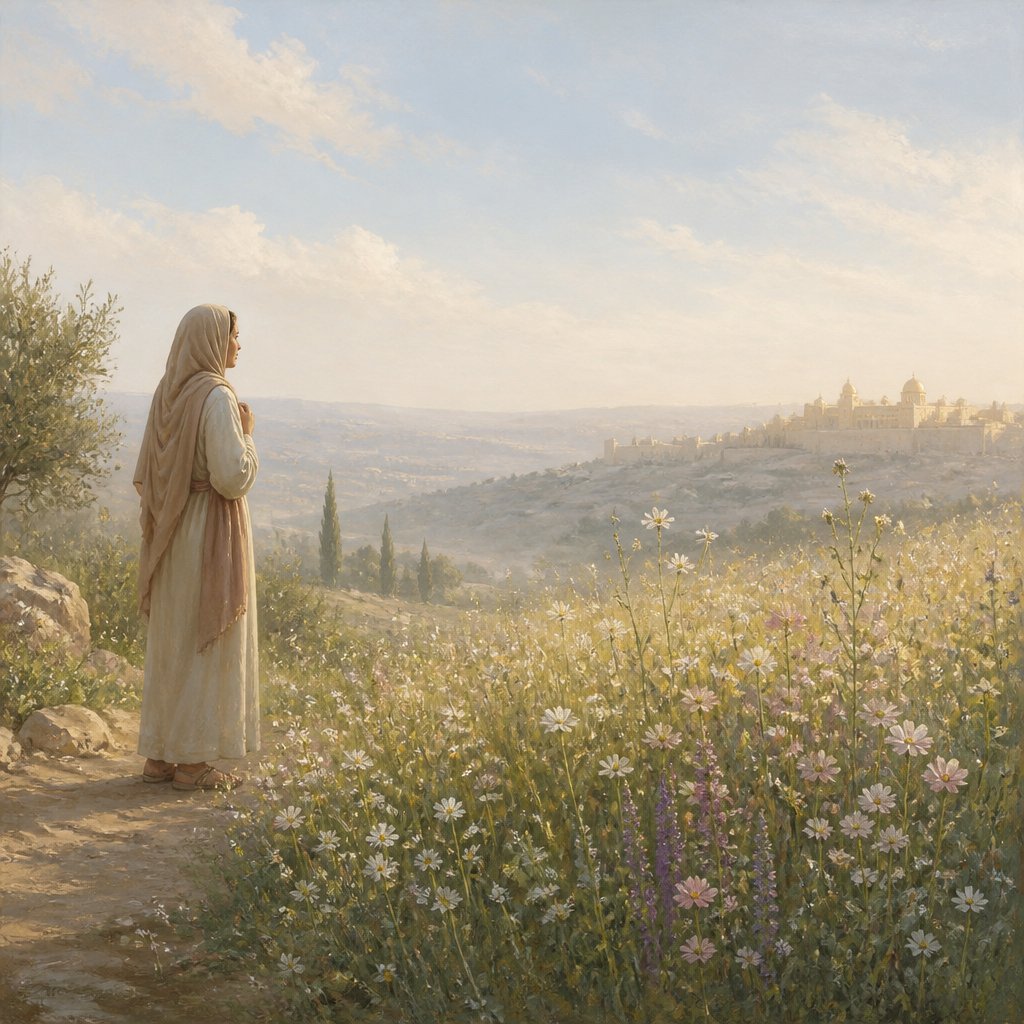
In the heart of the Sermon on the Mount, Jesus imparts profound wisdom about reliance and trust in God, shown poignantly in Matthew 6:28-29, where He teaches His followers not to be overly concerned about material needs: "And why take ye thought for raiment? Consider the lilies of the field, how they grow; they toil not, neither do they spin: And yet I say unto you, That even Solomon in all his glory was not arrayed like one of these."
This passage draws our attention to the lilies, simple yet stunning flowers that grow in the fields, a scene likely familiar to Jesus's audience in first-century Palestine. Within these few verses lies an eloquent reminder of God’s providential care and the natural beauty that He bestows upon creation without struggle or strife. As we delve into these verses, let's explore what they mean for us today and how they can transform our understanding of authenticity, provision, and spiritual struggle.
Firstly, consider the context. In the preceding verses, Jesus admonishes His listeners against anxiety for their physical needs. The emphasis shifts from concern about what we wear or eat to embracing a deeper faith that prioritizes the kingdom of God. When He says, “Consider the lilies of the field,” He invites us to observe and learn from creation. The lilies, unlike Solomon, do not actively strive to adorn themselves in finery; they simply exist and thrive in the bounty of God’s creation. The imagery suggests that beauty does not hinge on self-promotion or manufactured wealth but is inherent to the simpler, often overlooked, parts of life.
When we observe the lilies, we’re reminded that they are nourished by the soil, watered by the rain, and bathed in sunlight—all elements of divine provision. This revelation speaks to us about trust: just as the lilies receive sustenance from nature without anxiety, so too shall we rely on God for our needs. This leads to a critical question: Why do we labor under the weight of worry? Why do we chase after fleeting material possessions, believing they define our worth?
Furthermore, the comparison Jesus makes to Solomon serves as another profound lesson. Solomon, renowned for his wisdom and wealth, adorned himself with the finest robes and created opulent displays of grandeur. Yet, even his lavish glory pales in comparison to the simple elegance of a lily. This stark contrast challenges society's perception of success and beauty. It compels us to reconsider what we value: Is it societal approval and appearances or the indescribable beauty of simplicity birthed in trust?
Understanding Lily's lesson also opens a path to deeper spiritual introspection. Often, our anxieties reveal a lack of faith in God’s goodness and provision. By fixating on our uncertainties and desires, we lose sight of the beauty that surrounds us and the blessings that God has already provided. Much like the lilies, our lives can be filled with splendor when we do not overly stress about external circumstances. Instead, we can cultivate a heart that finds joy and peace in God’s presence.
Moreover, this scripture encourages us to embrace simplicity in our lives. The world bombards us with messages that we need more, achieve higher, and portray an image of success through material means. However, Jesus gently guides us to a radical simplicity that releases us from this burden—encouraging a life focused on serving others and pursuing a relationship with God rather than accruing possessions.
As we meditate on Matthew 6:28-29, may we remember that God cares for us deeply and desires for us to find our identity, security, and worth not in what we wear or possess, but in being His beloved creations. Let these verses inspire us to find beauty around us, be grateful for simplicity, and trust fully in His provision.
Get our apps


Artwork for Matthew 6:28-29

Matthew 6:28-29 - "And why do you worry about clothes? See how the flowers of the field grow. They do not labor or spin. Yet I tell you that not even Solomon in all his splendor was dressed like one of these."

"And why take ye thought for raiment? Consider the lilies of the field, how they grow; they toil not, neither do they spin: And yet I say unto you, That even Solomon in all his glory was not arrayed like one of these." - Matthew 6:28-29
"And why do you worry about clothes? See how the flowers of the field grow. They do not labor or spin. Yet I tell you that not even Solomon in all his splendor was dressed like one of these." - Matthew 6:28-29

Matthew 6:29 expressed as a rose garden

Matthew 6:29 - "And yet I say unto you, That even Solomon in all his glory was not arrayed like one of these."

Matthew 6:28 - "And why take ye thought for raiment? Consider the lilies of the field, how they grow; they toil not, neither do they spin:"

Matthew 28:6 - "He is not here: for he is risen, as he said. Come, see the place where the Lord lay."
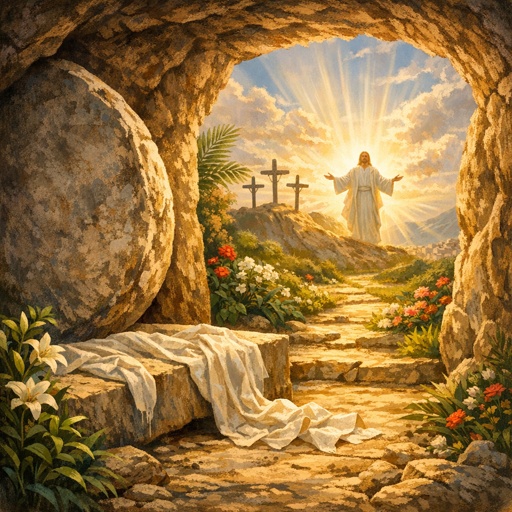
"He is not here: for he is risen, as he said. Come, see the place where the Lord lay." - Matthew 28:6

Matthew 11:28-29 - "Come to me, all you who are weary and burdened, and I will give you rest. Take my yoke upon you and learn from me, for I am gentle and humble in heart, and you will find rest for your souls."

John 6:28-29 - "Then said they unto him, What shall we do, that we might work the works of God? Jesus answered and said unto them, This is the work of God, that ye believe on him whom he hath sent."

Matthew 6:29 expressed as a garden different types of rose bushes and doves. Do not use human figures.
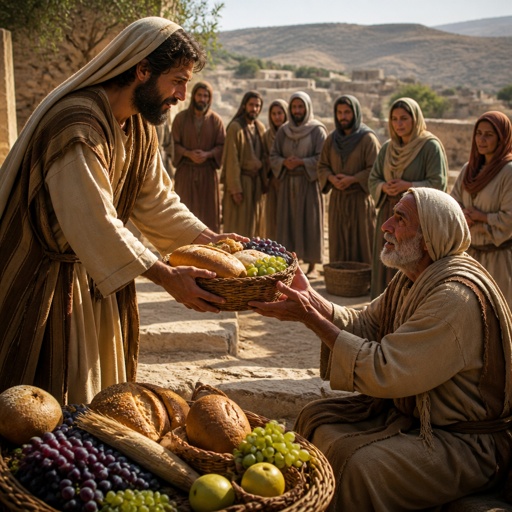
Deut 14:28-29

Joel 2:28-29

Joel 2:28-29

Joel 2:28-29

Exodus 23:28-29
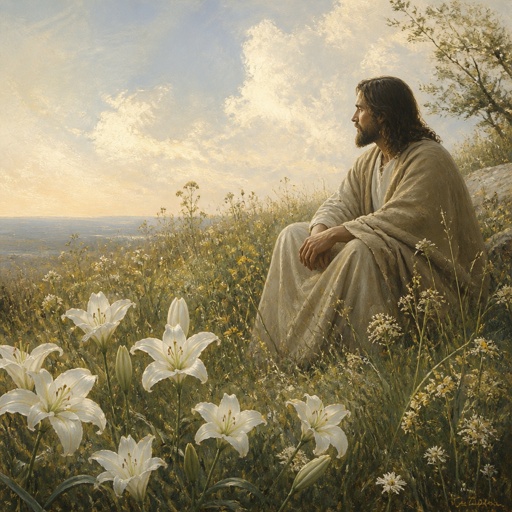
"And why take ye thought for raiment? Consider the lilies of the field, how they grow; they toil not, neither do they spin:" - Matthew 6:28
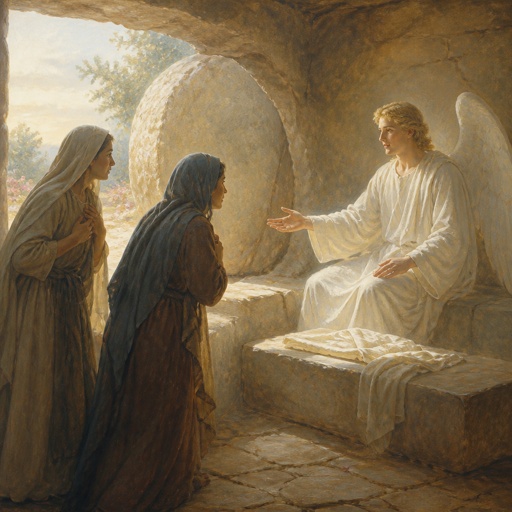
"He is not here: for he is risen, as he said. Come, see the place where the Lord lay." - Matthew 28:6

Matthew 28:5-6 - "The angel said to the women, “Do not be afraid, for I know that you are looking for Jesus, who was crucified. He is not here; he has risen, just as he said. Come and see the place where he lay."

matthew 28:19

matthew 28:19

MATTHEW 28: 23

"And yet I say unto you, That even Solomon in all his glory was not arrayed like one of these." - Matthew 6:29

matthew 8:28

Matthew 23:28

Matthew 28:11

Matthew 23:28

Matthew 20:29-34

Matthew 7:24-29

Matthew 7:24-29