Hallowed Be Thy Name: A Devotional Exploration of Matthew 6:9
"After this manner therefore pray ye: Our Father which art in heaven, Hallowed be thy name." - Matthew 6:9
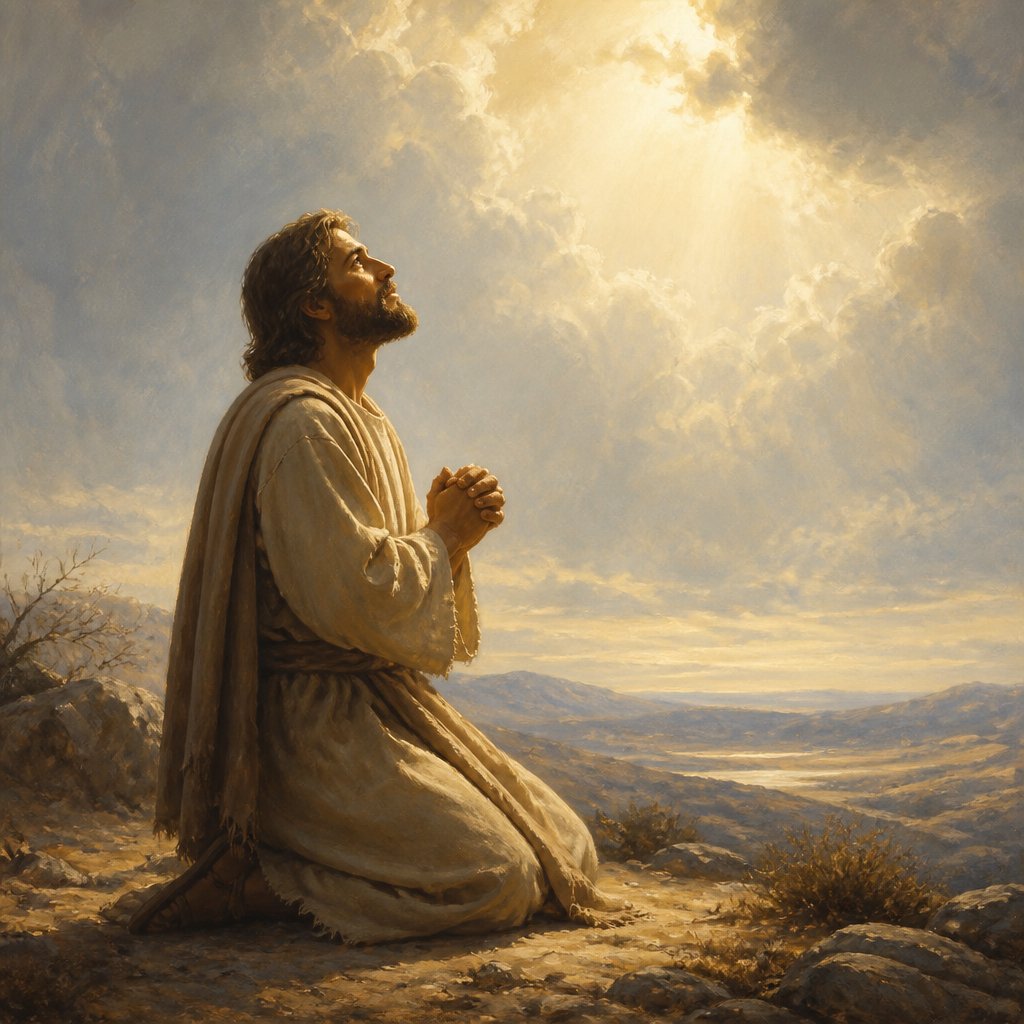
The model prayer, often referred to as the Lord's Prayer, begins with the profound statement: "Our Father which art in heaven, Hallowed be thy name" (Matthew 6:9). This sacred introduction sets the tone for a deeper understanding of our relationship with God and highlights the sanctity of His name, instilling in us an awe-inspiring reverence for the Divine.
When we address God as “Our Father,” we are acknowledging that He is not a distant deity but a loving, approachable parent. This relational aspect is revolutionary in the context of biblical understanding. In ancient cultures, gods were often feared and appeased through rituals and sacrifices. Yet here, Jesus invites us into a familial dialogue. We are His children, intimately known and cherished. This invitation is not to undermine the holiness of God, but rather to enhance it. As we recognize God as our Father, we must approach Him with both the confidence of a child and the respect due to a sovereign King.
**Understanding His Holiness**
The phrase “which art in heaven” serves as a reminder of God’s transcendence. While He is our Father and desires a close relationship with us, He simultaneously occupies the sublime space of heaven, infinitely higher than our understanding. This duality calls us to recognize His unmatched authority and power. When we pray, we must remember that we are speaking to the Creator of the universe, the One who holds all things together with His will. The heavens do not diminish His nearness; instead, they highlight the majesty of His presence.
The next part of the prayer—“Hallowed be thy name”—is perhaps the most crucial aspect of this petition. The word “hallowed” denotes reverence, honor, and sacredness. It commands us to elevate God's name above all names and to consider it holy. In our contemporary culture, we often trivialize the names and titles of God, using them in casual or irreverent ways. Yet Jesus teaches us to approach the divine power and character of God with profound respect. This acknowledgment is not merely for God’s benefit; rather, it cultivates an environment in our hearts where His holiness can transform us.
**The Significance of God’s Name**
Biblically, names carry weight. They represent character, authority, and legacy. When we hallow God’s name, we commit ourselves to honoring His character and reflecting His attributes in our daily lives. God’s names throughout Scripture—Jehovah Jireh (The Lord Will Provide), Jehovah Rapha (The Lord Who Heals), El Shaddai (God Almighty)—reveal the multifaceted nature of His being. Each name speaks to His relational aspect with humanity and His desire to walk closely with us.
When we pray “Hallowed be thy name,” we invite God’s holiness into our lives, consciously separating His presence from the mundane and recognizing His sovereign rule in every aspect of our existence. It prompts us to ask ourselves: are we living in a way that reflects His holiness? Does our lifestyle honor Him? Are we proclaimers of His glory in our thoughts, words, and deeds?
**A Call to Worship**
As we strive to incorporate this prayerful declaration into our lives, let it call us to worship. Hallowing God’s name is not simply an act of our lips; it should be a posture of our hearts. It leads us to lives of praise, gratitude, and reverence. Each day can begin with the reminder of who we are addressing in prayer. The intimate relationship we have with the Father should compel us into a deeper, heartfelt worship that acknowledges His holiness in our daily lives.
In conclusion, as we respond to this directive from Jesus, let us live with a clear awareness that our prayers are anchored in a relationship with a holy God. May our hearts echo the truth of Matthew 6:9, bringing us closer to the One who is indeed worthy of all our reverence—Our Father, who art in heaven, hallowed be thy name.
Want to reflect more on Matthew 6:9?
Continue your spiritual journey with Bible Chat — an AI-powered tool for exploring God's Word through conversation. Ask questions, discover connections, and deepen your understanding.
Get Our Apps


Matthew 6:9 Artwork

Matthew 6:9-13

Matthew 6:9 - "After this manner therefore pray ye: Our Father which art in heaven, Hallowed be thy name."
"After this manner therefore pray ye: Our Father which art in heaven, Hallowed be thy name." - Matthew 6:9

Matthew 6:9-13 - "This, then, is how you should pray: 'Our Father in heaven, hallowed be your name, your kingdom come, your will be done, on earth as it is in heaven. Give us today our daily bread. And forgive us our debts, as we also have forgiven our debtors. And lead us not into temptation, but deliver us from the evil one.'"
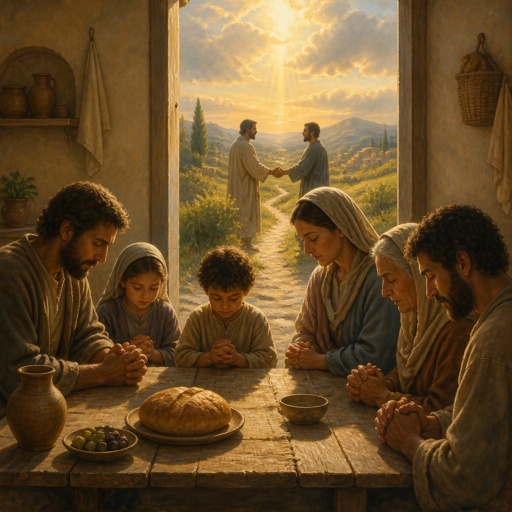
"This, then, is how you should pray: 'Our Father in heaven, hallowed be your name, your kingdom come, your will be done, on earth as it is in heaven. Give us today our daily bread. And forgive us our debts, as we also have forgiven our debtors. And lead us not into temptation, but deliver us from the evil one.'" - Matthew 6:9-13

Matthew 6:6

Matthew 9:6 - "But that ye may know that the Son of man hath power on earth to forgive sins, (then saith he to the sick of the palsy,) Arise, take up thy bed, and go unto thine house."

Matthew 9:21

Matthew 6:23

Matthew 9:21-22

Matthew 9:6 But that you may know that the Son of Man has power on earth to forgive sins”—then He said to the paralytic, “Arise, take up your bed, and go to your house.”

Matthew 9:21-22

Matthew 9:21-22

Matthew 9:21-22

Matthew 9:21-22

Matthew 2:9

Matthew 9:9 - "¶ And as Jesus passed forth from thence, he saw a man, named Matthew, sitting at the receipt of custom: and he saith unto him, Follow me. And he arose, and followed him."

Matthew 2:9

Matthew 18:6

Matthew 6:34

Matthew 18:6

Matthew 6:18

Matthew 6:14

Matthew 6:22

Matthew 6:24

Matthew 6:30

Matthew 6:22

Matthew 6:5

Matthew 6:34

Matthew 6:24