The Burden of Waiting: Understanding Maroth’s Lament
“For the inhabitant of Maroth waited carefully for good: but evil came down from the LORD unto the gate of Jerusalem.” — Micah 1:12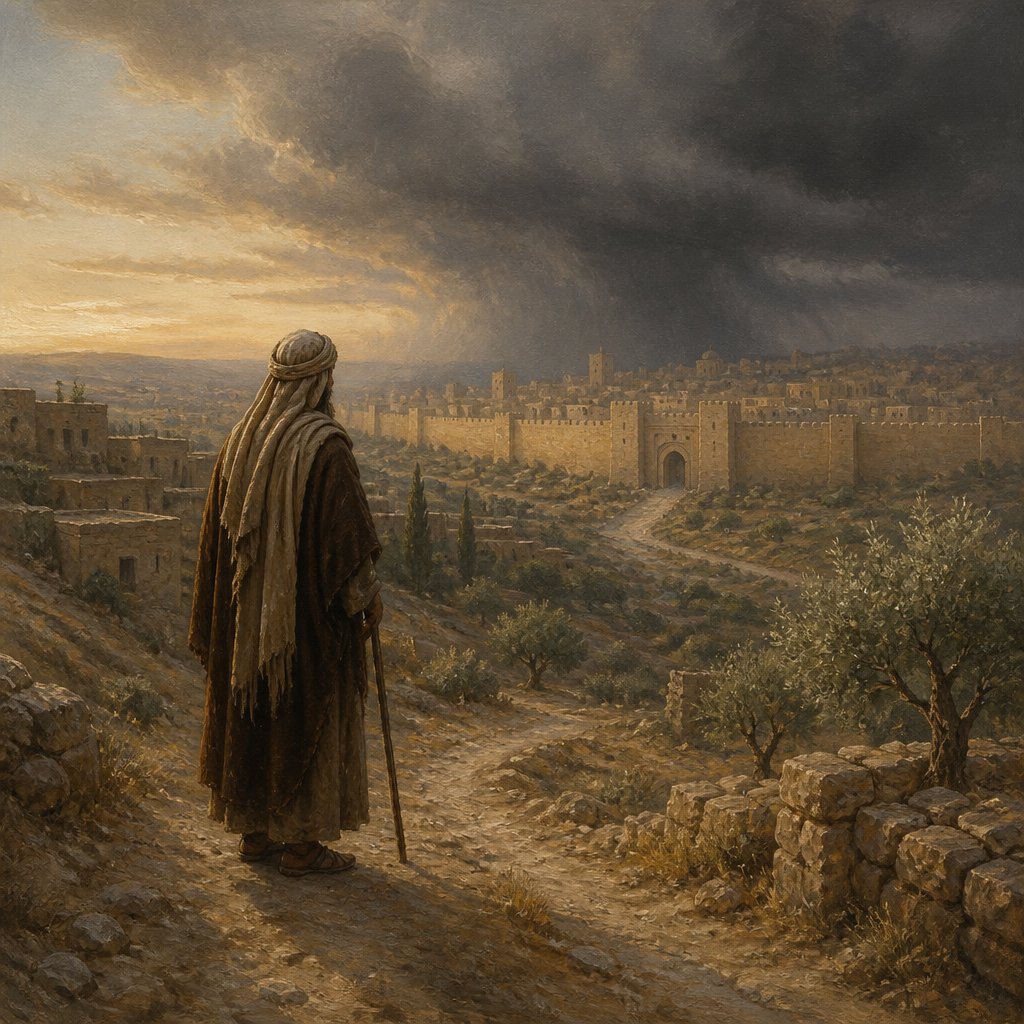
As we gather to reflect on the profound message embedded in Micah 1:12, *“For the inhabitant of Maroth waited carefully for good: but evil came down from the LORD unto the gate of Jerusalem,”* we are confronted with an image of earnest anticipation met with unexpected despair. To the inhabitants of Maroth, a small town during the time of Micah, life was characterized by the struggle between hope and the harsh realities of their world. This verse captures a poignant and multifaceted truth about waiting, expectations, and the sometimes painful intersections of divine will and human experience.
In this passage, Micah speaks to a community that was undoubtedly familiar with waiting. They waited for good, perhaps longing for an end to oppression and a restoration of peace. They were echoing the universal human experience of expecting goodness and fearing the onset of evil. In our own lives, we often find ourselves in similar moments of waiting, whether for relief from suffering, resolution in our troubled relationships, or clarity in decision-making. The inhabitants of Maroth remind us that waiting can be an arduous journey, where the heart longs for deliverance.
Micah's use of the word "waited carefully" suggests a deep attentiveness and a hopeful anticipation. They were not just idly passing the days; rather, they were on the lookout for God’s benevolence. It is this careful waiting that adds texture to their longing. They sought good, yet what they received was a harsh reality—the arrival of evil from the Lord. This raises challenging questions about the nature of God and the experiences of His people. How do we reconcile a God who brings forth challenges and also promises goodness?
In wrestling with these questions, we must remember that God's ways are higher than our ways (Isaiah 55:9). Sometimes, what we perceive as "evil" serves a higher purpose. The inhabitants of Maroth faced the ramifications of choices made in Jerusalem, and their waiting turned into lament. However, we must consider the vital role of this lamentation. In our waiting, we often face disappointments that challenge our faith. Yet these very challenges can cultivate a deeper reliance on God. Lamentation becomes a pathway through which we can express our deepest fears and frustrations—a necessary act of honesty in our relationship with God.
In Maroth, evil descended like a storm, and the inhabitants may have felt forsaken. Yet this moment of desolation reminded them—and us—of the unavoidable tension between divine justice and mercy. Though the people of Maroth were disheartened, they were not devoid of hope. In the midst of pain, they had the potential to cultivate an enduring faith that looks beyond the present suffering to the future promises of God's grace.
As we confront our own "Maroths" today, we must acknowledge the waiting periods in our lives that invoke both yearning and anxiety. The gates of Jerusalem are symbolic of destinations we wish to reach—of security, blessing, and divine favor. When our expectations are not met, we often overlook the reasons behind our waiting and the deeper revelations God might be offering.
Let us refocus our hearts on the posture of waiting. Instead of merely seeking good outcomes, may we seek the presence of the Good Shepherd (Psalm 23:1), who walks with us through every waiting season. In grief and longing, we can find comfort in knowing that He is attentive to our cries. God may allow storms to approach us, but they do not define us.
In the end, the tragedy of Maroth transformed into an invitation to a deeper reliance on God. May each moment of our waiting lead us into richer communion with Him, as we embody the heart of Maroth, seeking good with unwavering faith—even when the storm clouds gather near.
Get our apps


Artwork for Micah 1:12

Micah 1:12 - "For the inhabitant of Maroth waited carefully for good: but evil came down from the LORD unto the gate of Jerusalem."
"For the inhabitant of Maroth waited carefully for good: but evil came down from the LORD unto the gate of Jerusalem." - Micah 1:12

Judges 17:12 - "And Micah consecrated the Levite; and the young man became his priest, and was in the house of Micah."

"And Micah consecrated the Levite; and the young man became his priest, and was in the house of Micah." - Judges 17:12

Micah 1:1 - "The word of the LORD that came to Micah the Morasthite in the days of Jotham, Ahaz, and Hezekiah, kings of Judah, which he saw concerning Samaria and Jerusalem."

Micah 1:2 - "Hear, all ye people; hearken, O earth, and all that therein is: and let the Lord GOD be witness against you, the Lord from his holy temple."

Micah 5:12 - "And I will cut off witchcrafts out of thine hand; and thou shalt have no more soothsayers:"

Micah 4:12 - "But they know not the thoughts of the LORD, neither understand they his counsel: for he shall gather them as the sheaves into the floor."

Micah 6:12 - "For the rich men thereof are full of violence, and the inhabitants thereof have spoken lies, and their tongue is deceitful in their mouth."

Micah 5:2-5

Micah 3:12 - "Therefore shall Zion for your sake be plowed as a field, and Jerusalem shall become heaps, and the mountain of the house as the high places of the forest."

Judges 17:1 - "And there was a man of mount Ephraim, whose name was Micah."

1 Chronicles 8:35 - "And the sons of Micah were, Pithon, and Melech, and Tarea, and Ahaz."

1 Chronicles 9:41 - "And the sons of Micah were, Pithon, and Melech, and Tahrea, and Ahaz."

1 Chronicles 9:40 - "And the son of Jonathan was Merib-baal: and Merib-baal begat Micah."

"The word of the LORD that came to Micah the Morasthite in the days of Jotham, Ahaz, and Hezekiah, kings of Judah, which he saw concerning Samaria and Jerusalem." - Micah 1:1

1 Chronicles 8:34 - "And the son of Jonathan was Merib-baal; and Merib-baal begat Micah."

1 Chronicles 5:5 - "Micah his son, Reaia his son, Baal his son,"

1 Chronicles 9:15 - "And Bakbakkar, Heresh, and Galal, and Mattaniah the son of Micah, the son of Zichri, the son of Asaph;"

Micah 7:12 - "In that day also he shall come even to thee from Assyria, and from the fortified cities, and from the fortress even to the river, and from sea to sea, and from mountain to mountain."

Micah 1:10 - "¶ Declare ye it not at Gath, weep ye not at all: in the house of Aphrah roll thyself in the dust."

Micah 1:14 - "Therefore shalt thou give presents to Moresheth-gath: the houses of Achzib shall be a lie to the kings of Israel."

Micah 1:9 - "For her wound is incurable; for it is come unto Judah; he is come unto the gate of my people, even to Jerusalem."

Micah 1:3 - "For, behold, the LORD cometh forth out of his place, and will come down, and tread upon the high places of the earth."

"And there was a man of mount Ephraim, whose name was Micah." - Judges 17:1
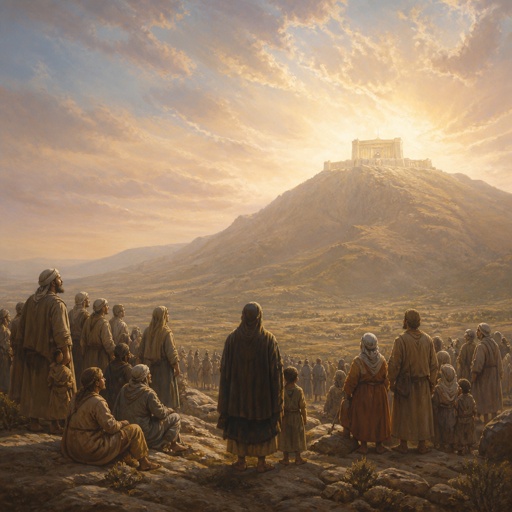
"Hear, all ye people; hearken, O earth, and all that therein is: and let the Lord GOD be witness against you, the Lord from his holy temple." - Micah 1:2

Micah 1:8 - "Therefore I will wail and howl, I will go stripped and naked: I will make a wailing like the dragons, and mourning as the owls."
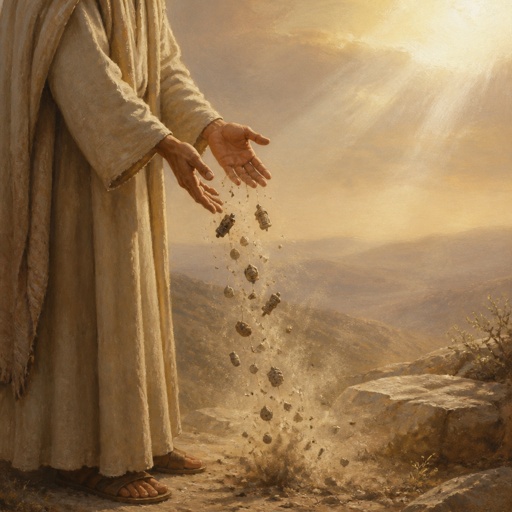
"And I will cut off witchcrafts out of thine hand; and thou shalt have no more soothsayers:" - Micah 5:12

Micah 2:1 - "Woe to them that devise iniquity, and work evil upon their beds! when the morning is light, they practise it, because it is in the power of their hand."

Micah 1:5 - "For the transgression of Jacob is all this, and for the sins of the house of Israel. What is the transgression of Jacob? is it not Samaria? and what are the high places of Judah? are they not Jerusalem?"