When Wounds Seem Incurable: A Devotional Reflection on Micah 1:9
“For her wound is incurable; for it is come unto Judah; he is come unto the gate of my people, even to Jerusalem.” — Micah 1:9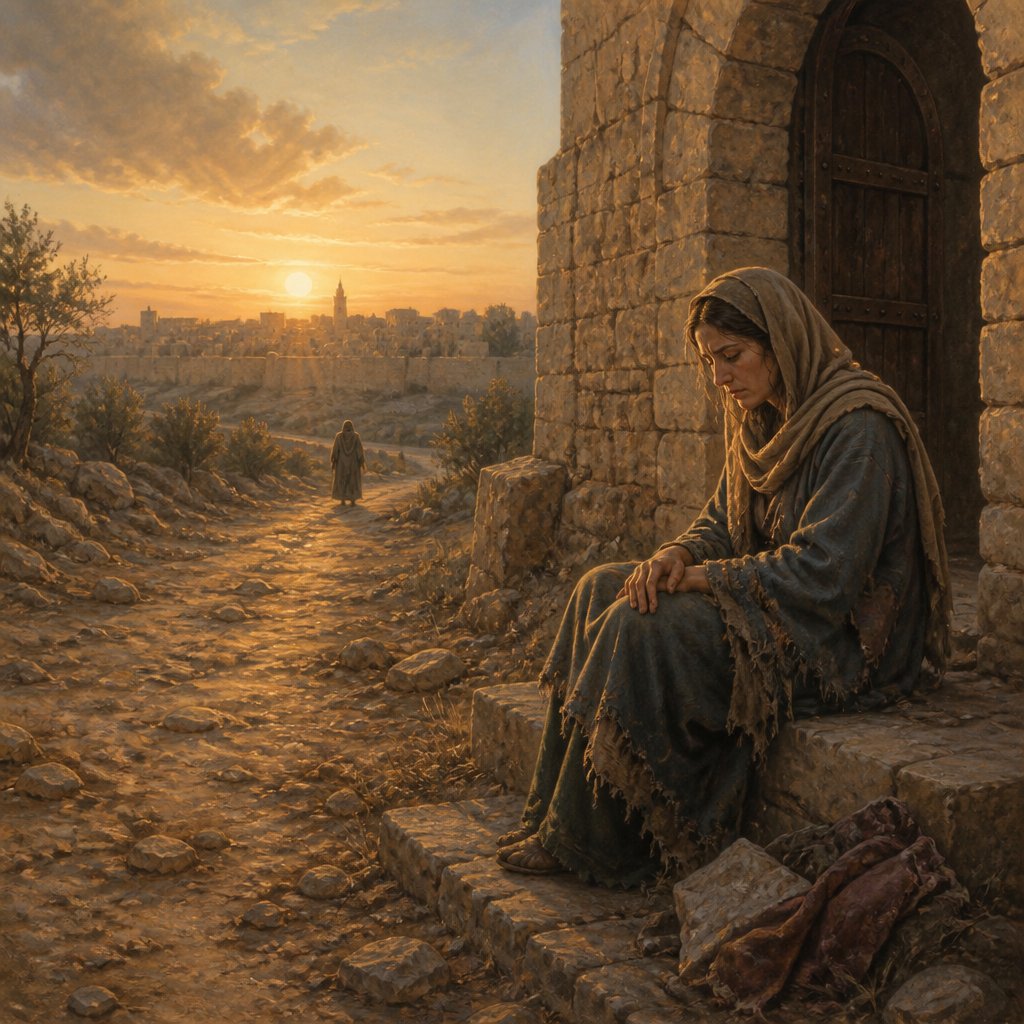
As we turn our hearts and minds to the profound and striking words of Micah 1:9, "For her wound is incurable; for it is come unto Judah; he is come unto the gate of my people, even to Jerusalem," we find ourselves confronted with the stark realities of sin and suffering. This passage, steeped in the prophetic urgency of Micah, invites us into a deeper understanding of not only the plight of Israel but also the universal condition of humanity—a wound that echoes through generations.
Micah, a prophet from Moresheth in Judah, proclaimed God's judgments against His people for their unfaithfulness and social injustices. The prophetic cry resonates deeply, revealing a nation caught in the throes of spiritual and moral decay; their wounds are not merely physical but spiritual—gaping, festering, and seemingly incurable. The metaphorical language of a wound invites us to consider our own lives.
Similarly, we all carry wounds—times of hurt, betrayal, shame, and loss. In some instances, these wounds become so deeply embedded we begin to believe that they are beyond healing. They follow us to our gates, hovering at the entrances of our hearts and minds. Yet in the midst of such despair, this verse also serves as a message of hope, a beckoning toward the only source of true healing—Jesus Christ.
The notion of an "incurable wound" raises critical questions: What are the wounds we carry? Are they wounds inflicted by others, or are they the result of our own poor choices? Are they the remnants of sin that seem too great to overcome? When deliberating on Judah's plight, we must also reflect on our current circumstances and realize that, while our wounds may feel insurmountable, they are not beyond the reach of God's power.
Micah's declaration that this wound "is come unto Judah" indicates that the consequences of sin are not isolated. Just as the nation of Judah is affected, so too are we all interlinked by our corporate existence. Every individual’s wound reflects a larger societal issue; injustice, oppression, and immorality often extend beyond personal failings and deeply impact entire communities. In acknowledging this interconnectedness, we are invited into a communal healing process—the body of Christ serving one another in love, compassion, and accountability.
The latter part of the verse, which mentions the gate of Jerusalem, signifies access—access to the heart of the community and the very presence of God. Gates symbolize protection, authority, and transition. Are our gates open to the healing presence of God, or do we leave them sealed, believing our wounds are too great to be exposed? It takes vulnerability and faith to open ourselves, yet that is precisely where the healing can begin.
This devotional moment asks us to become explorers of our wounds. Let us not carry them as mere burdens but as invitations to experience God’s mercy. It is within the gates of Jerusalem, the heart of God's people, that we discover His faithfulness and the hope He offers. Just as Judah was called to recognize its need for repentance, we too must confront what our wounds reveal about our spiritual state and our relationship with God.
In conclusion, as we ponder Micah 1:9, let us remember that while the wounds of our lives may seem incurable, nothing is impossible for our God. Just as He spoke to the wayward Israelites, He encourages us today to seek Him in our pain. Let’s lay our wounds at His feet, allowing the Healer to bring restoration, wholeness, and eventually, peace to our souls. May we find refuge at His gates, confident that even the most profound wounds can be healed by His infinite grace.
Get our apps


Artwork for Micah 1:9

Micah 1:9 - "For her wound is incurable; for it is come unto Judah; he is come unto the gate of my people, even to Jerusalem."
"For her wound is incurable; for it is come unto Judah; he is come unto the gate of my people, even to Jerusalem." - Micah 1:9

1 Chronicles 9:41 - "And the sons of Micah were, Pithon, and Melech, and Tahrea, and Ahaz."

1 Chronicles 9:40 - "And the son of Jonathan was Merib-baal: and Merib-baal begat Micah."

1 Chronicles 9:15 - "And Bakbakkar, Heresh, and Galal, and Mattaniah the son of Micah, the son of Zichri, the son of Asaph;"

"And the sons of Micah were, Pithon, and Melech, and Tahrea, and Ahaz." - 1 Chronicles 9:41

"And the son of Jonathan was Merib-baal: and Merib-baal begat Micah." - 1 Chronicles 9:40

Micah 1:1 - "The word of the LORD that came to Micah the Morasthite in the days of Jotham, Ahaz, and Hezekiah, kings of Judah, which he saw concerning Samaria and Jerusalem."

"And Bakbakkar, Heresh, and Galal, and Mattaniah the son of Micah, the son of Zichri, the son of Asaph;" - 1 Chronicles 9:15

Micah 5:2-5

Micah 5:9 - "Thine hand shall be lifted up upon thine adversaries, and all thine enemies shall be cut off."
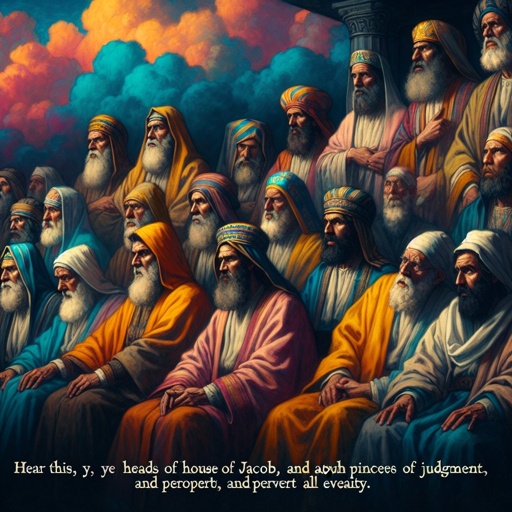
Micah 3:9 - "Hear this, I pray you, ye heads of the house of Jacob, and princes of the house of Israel, that abhor judgment, and pervert all equity."

Judges 17:1 - "And there was a man of mount Ephraim, whose name was Micah."

Micah 6:9 - "The LORD'S voice crieth unto the city, and the man of wisdom shall see thy name: hear ye the rod, and who hath appointed it."
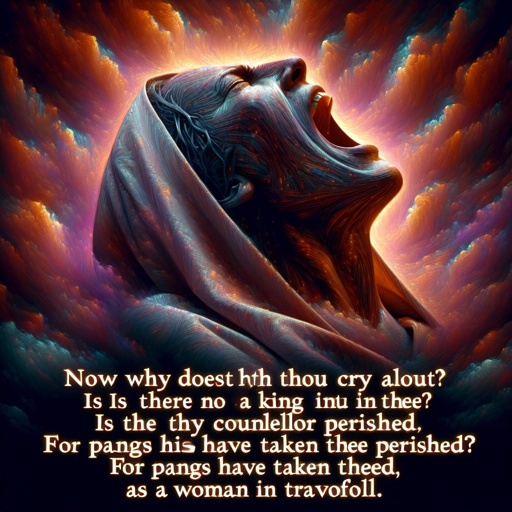
Micah 4:9 - "Now why dost thou cry out aloud? is there no king in thee? is thy counsellor perished? for pangs have taken thee as a woman in travail."

1 Chronicles 8:35 - "And the sons of Micah were, Pithon, and Melech, and Tarea, and Ahaz."

Micah 2:9 - "The women of my people have ye cast out from their pleasant houses; from their children have ye taken away my glory for ever."

"The word of the LORD that came to Micah the Morasthite in the days of Jotham, Ahaz, and Hezekiah, kings of Judah, which he saw concerning Samaria and Jerusalem." - Micah 1:1

1 Chronicles 8:34 - "And the son of Jonathan was Merib-baal; and Merib-baal begat Micah."

1 Chronicles 5:5 - "Micah his son, Reaia his son, Baal his son,"

Micah 1:10 - "¶ Declare ye it not at Gath, weep ye not at all: in the house of Aphrah roll thyself in the dust."

Micah 1:14 - "Therefore shalt thou give presents to Moresheth-gath: the houses of Achzib shall be a lie to the kings of Israel."

Micah 1:12 - "For the inhabitant of Maroth waited carefully for good: but evil came down from the LORD unto the gate of Jerusalem."

Judges 17:9 - "And Micah said unto him, Whence comest thou? And he said unto him, I am a Levite of Beth-lehem-judah, and I go to sojourn where I may find a place."

Micah 1:3 - "For, behold, the LORD cometh forth out of his place, and will come down, and tread upon the high places of the earth."

"And there was a man of mount Ephraim, whose name was Micah." - Judges 17:1

Micah 1:8 - "Therefore I will wail and howl, I will go stripped and naked: I will make a wailing like the dragons, and mourning as the owls."

Micah 2:1 - "Woe to them that devise iniquity, and work evil upon their beds! when the morning is light, they practise it, because it is in the power of their hand."

Micah 1:5 - "For the transgression of Jacob is all this, and for the sins of the house of Israel. What is the transgression of Jacob? is it not Samaria? and what are the high places of Judah? are they not Jerusalem?"

Micah 3:1 - "And I said, Hear, I pray you, O heads of Jacob, and ye princes of the house of Israel; Is it not for you to know judgment?"