Silencing Prophets: The Battle for Truth in a World of Lies
“Prophesy ye not, say they to them that prophesy: they shall not prophesy to them, that they shall not take shame.” — Micah 2:6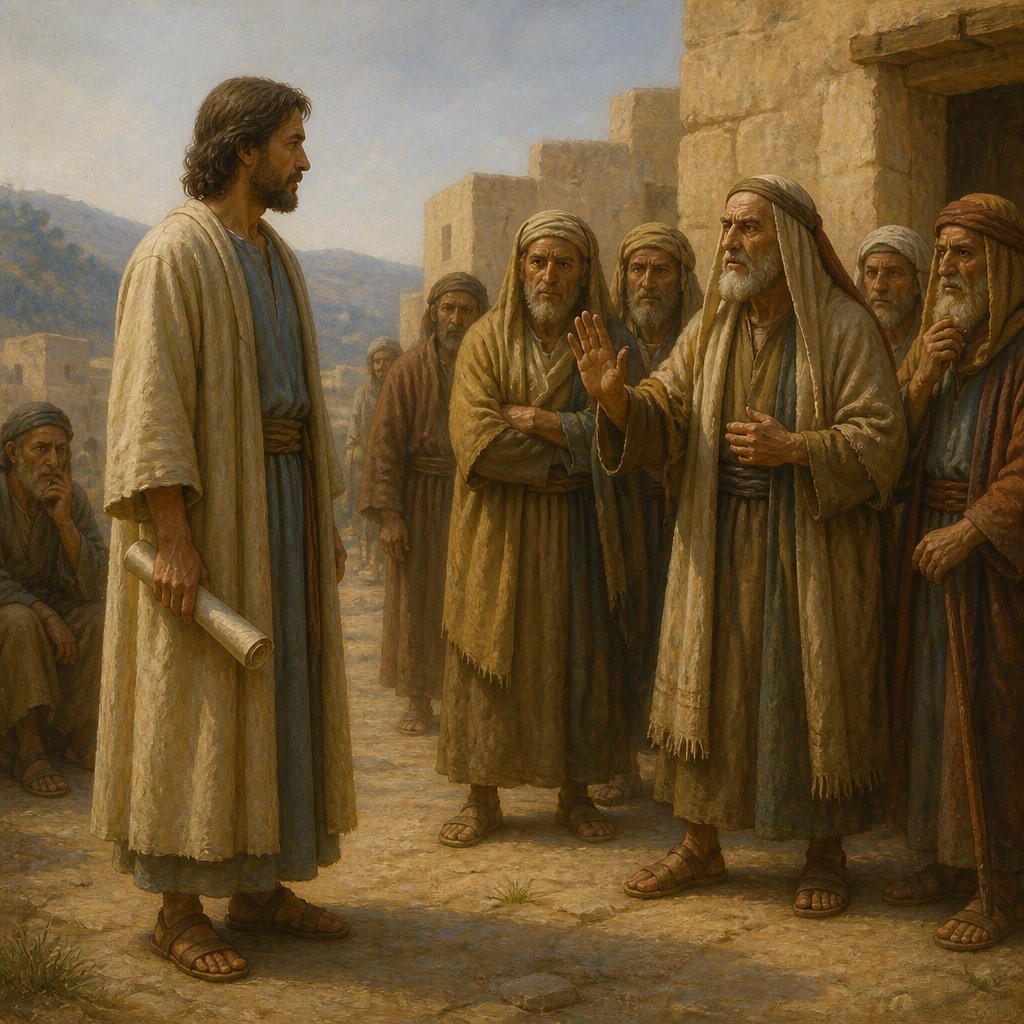
In our world today, the voice of truth seems to be drowned out by the cacophony of opinions, ideologies, and half-truths. This situation is not unlike the one faced by the prophet Micah, who spoke to the people of Israel during a time of moral decay and spiritual apathy. In Micah 2:6, we hear a stark command: "Prophesy ye not, say they to them that prophesy: they shall not prophesy to them, that they shall not take shame." (KJV) Here, we see the profound tension between the prophetic voice and the societal pressures to silence it, an issue that resonates deeply in our contemporary context.
Micah was sent by God to bring His message of judgment and hope to a disobedient generation. Yet, in the face of hardship, the response of many was to demand the cessation of his prophetic voice. They wanted peace instead of truth; comfort instead of conviction. When Micah insisted on delivering God’s chastening words, the people effectively threw up their hands and said, “Stop telling us the truth. We do not wish to hear it!”
This rejection of prophetic truth stems from an innate desire to avoid shame and discomfort. The human heart, in its fallen state, seeks to evade accountability and maintain its illusions of righteousness. The very act of prophesying evokes confrontation with the truth of our actions and the state of our hearts. As believers, how often do we fall into the same trap? When faced with uncomfortable truths about our own lives, workplaces, or even our churches, do we not sometimes shy away? Do we not sometimes prefer the soothing lies of our surroundings rather than the challenging truth of God’s Word?
As we delve into this verse, it is vital to reframe our understanding of shame. In a biblical context, shame is often associated with unconfessed sin and the discord between our lives and God’s standards. However, the proposal here is that the eschewing of prophetic voices is a flawed attempt to escape shame. The irony is that in silencing truth, we only deepen our shame, as we drift further from the source of healing—God’s Word and His prophetic guidance.
Moreover, this passage highlights the temptation to dilute God’s message. It is significantly easier to accept a palatable gospel—one that aligns with our desires—than to fully embrace the implications of Christ’s call to full discipleship. In moments like those described in Micah 2:6, we are encouraged to reflect on our personal response to prophetic voices, whether they come through Scripture, faithful sermons, or the wise counsel of fellow believers.
The desire to reject the prophetic voice can often stem from a place of fear—fear of the unknown, fear of change, fear of calling into question long-held beliefs or actions. Ultimately, Micah’s message to Israel serves as an exhortation to us all; he reminds us that the path to restoration is through repentance, and the path to repentance often necessitates uncomfortable encounters with the truth.
Beloved, may we cultivate hearts that crave God’s truth, no matter how uncomfortable, recognizing that it is through this truth that healing and righteousness can take root in our lives. Let us be wary of the inclination to silence the Spirit’s prompting, and remember that true shame arises not from hearing the truth but from refusing to act upon it.
As you move through your day, ask yourself: What areas of my life have I attempted to silence the truth? Where have I chosen comfort over conviction? Cry out to the Lord for courage to confront those areas with humility and grace, knowing that embracing the truth, however uncomfortable, is the first step towards true freedom in Christ.
In the end, it is not in the absence of shame that we find peace, but in the honest confrontation of it through the lens of God’s love and mercy.
Get our apps


Artwork for Micah 2:6

Micah 2:6 - "Prophesy ye not, say they to them that prophesy: they shall not prophesy to them, that they shall not take shame."

"Prophesy ye not, say they to them that prophesy: they shall not prophesy to them, that they shall not take shame." - Micah 2:6

Micah 6:6

Micah 6:8

Micah 6:2 - "Hear ye, O mountains, the LORD'S controversy, and ye strong foundations of the earth: for the LORD hath a controversy with his people, and he will plead with Israel."

Micah 6:10 - "¶ Are there yet the treasures of wickedness in the house of the wicked, and the scant measure that is abominable?"

Micah 5:2-5

Micah 6:11 - "Shall I count them pure with the wicked balances, and with the bag of deceitful weights?"

Micah 6:6 - "¶ Wherewith shall I come before the LORD, and bow myself before the high God? shall I come before him with burnt offerings, with calves of a year old?"

Micah 6:12 - "For the rich men thereof are full of violence, and the inhabitants thereof have spoken lies, and their tongue is deceitful in their mouth."

Micah 6:13 - "Therefore also will I make thee sick in smiting thee, in making thee desolate because of thy sins."

Micah 4:6 - "In that day, saith the LORD, will I assemble her that halteth, and I will gather her that is driven out, and her that I have afflicted;"

Micah 6:1 - "Hear ye now what the LORD saith; Arise, contend thou before the mountains, and let the hills hear thy voice."

Micah 6:9 - "The LORD'S voice crieth unto the city, and the man of wisdom shall see thy name: hear ye the rod, and who hath appointed it."

Micah 6:3 - "O my people, what have I done unto thee? and wherein have I wearied thee? testify against me."

Micah 1:6 - "Therefore I will make Samaria as an heap of the field, and as plantings of a vineyard: and I will pour down the stones thereof into the valley, and I will discover the foundations thereof."

"¶ Are there yet the treasures of wickedness in the house of the wicked, and the scant measure that is abominable?" - Micah 6:10

Micah 2:5 - "Therefore thou shalt have none that shall cast a cord by lot in the congregation of the LORD."
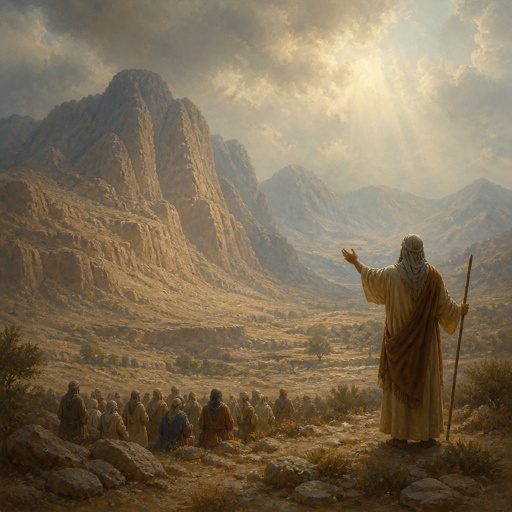
"Hear ye, O mountains, the LORD'S controversy, and ye strong foundations of the earth: for the LORD hath a controversy with his people, and he will plead with Israel." - Micah 6:2

Micah 6:4 - "For I brought thee up out of the land of Egypt, and redeemed thee out of the house of servants; and I sent before thee Moses, Aaron, and Miriam."

Micah 2:2 - "And they covet fields, and take them by violence; and houses, and take them away: so they oppress a man and his house, even a man and his heritage."

Micah 6:15 - "Thou shalt sow, but thou shalt not reap; thou shalt tread the olives, but thou shalt not anoint thee with oil; and sweet wine, but shalt not drink wine."

Micah 2:10 - "Arise ye, and depart; for this is not your rest: because it is polluted, it shall destroy you, even with a sore destruction."

Micah 7:6 - "For the son dishonoureth the father, the daughter riseth up against her mother, the daughter in law against her mother in law; a man's enemies are the men of his own house."

Micah 6:7 - "Will the LORD be pleased with thousands of rams, or with ten thousands of rivers of oil? shall I give my firstborn for my transgression, the fruit of my body for the sin of my soul?"

Micah 6:8 - "He hath shewed thee, O man, what is good; and what doth the LORD require of thee, but to do justly, and to love mercy, and to walk humbly with thy God?"

"Shall I count them pure with the wicked balances, and with the bag of deceitful weights?" - Micah 6:11

Micah 6:14 - "Thou shalt eat, but not be satisfied; and thy casting down shall be in the midst of thee; and thou shalt take hold, but shalt not deliver; and that which thou deliverest will I give up to the sword."

Micah 2:1 - "Woe to them that devise iniquity, and work evil upon their beds! when the morning is light, they practise it, because it is in the power of their hand."

2 Chronicles 34:20 - "And the king commanded Hilkiah, and Ahikam the son of Shaphan, and Abdon the son of Micah, and Shaphan the scribe, and Asaiah a servant of the king's, saying,"