**Devotional Title: Names of Commitment: The Legacy of Faithfulness**
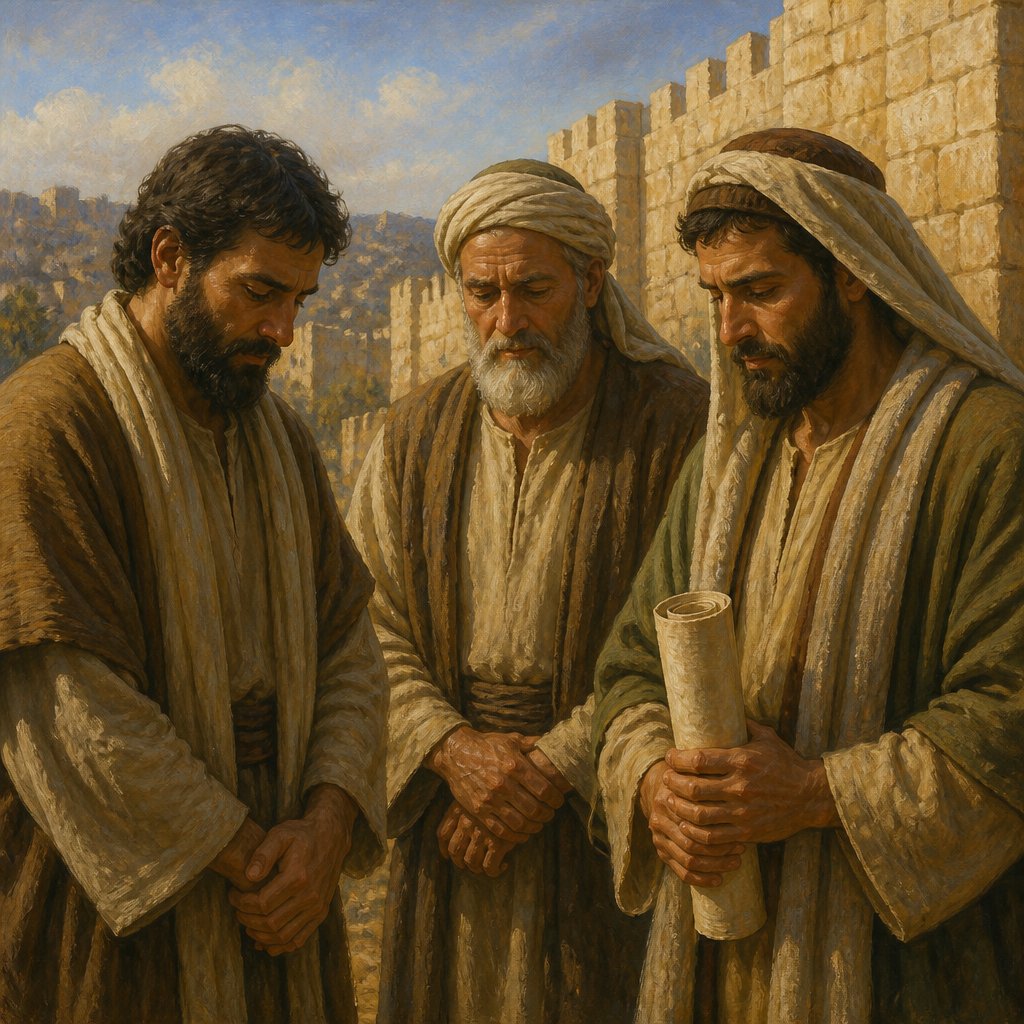
The names we carry often tell a story. They reflect our identity, heritage, and connections. In Nehemiah 10:13, we encounter the names Hodijah, Bani, and Beninu—a trio of individuals whose mention in this pivotal moment in Israel's history speaks volumes about the importance of dedication and community.
The context of Nehemiah 10 is essential to understand the gravity of this verse. After the Israelites returned from Babylonian exile, they faced the daunting task of rebuilding Jerusalem. Under Nehemiah’s leadership, they committed themselves not only to the physical reconstruction of the walls but also to restoring their covenant relationship with God. The chapter serves as a powerful reminder of communal commitment and spiritual accountability.
In KJV, Nehemiah 10:13 elegantly states, "Hodijah, Bani, Beninu." At face value, these names might seem inconsequential, but they represent something profound—the names stand as symbols of the collective resolve of the people of Israel to return to their covenant obligations. They reflect a commitment among the leaders to uphold the Law and guide the community back to spiritual fidelity.
Consider Hodijah. His name means "the Lord has heard." This implies faith rooted in belief that God listens and responds to the commitments His people make. When we utter our prayers and commitments, do we recognize the assurance that the Lord is indeed listening? Hodijah’s presence at this pivotal moment signifies the expectation that God would honor their collective return to Him, reinforcing a beautiful truth: because God hears us, our promises to Him matter.
Next, Bani, whose name means “son of my father.” This represents a lineage that emphasizes the importance of heritage and the influence of familial connections in spiritual matters. Bani symbolizes the role of fathers, mothers, and mentors in maintaining faith within a community. Today's believers should reflect on the legacy they are building for generations to come. Are we cultivating a relationship with Christ that our children and those around us will inherit? As Bani steps forward with Hodijah and Beninu, we are challenged to honor our spiritual duties not just for ourselves but for the lineage we create.
Then comes Beninu, meaning “sons of my son.” Beninu represents not merely a physical lineage but also the spiritual heritage passed down through generations. The presence of these names underscores the transition of faith from one generation to the next. As believers, we are called to be stewards of our faith, ensuring that we teach our children about the promises of God and the importance of commitment to Him. As we strive to be like these leaders, can we commit to engaging our families in faith, weaving spiritual narratives that shape and guide them?
In the modern world, where distractions abound, and challenges abound in our commitments, the names in Nehemiah 10 serve as a rallying call. They beckon us to restore our dedication to God and to one another. These individuals, simple as their names may seem, remind us of the power of community and the significance of collective commitments.
As we reflect on Hodijah, Bani, and Beninu, let us ask ourselves: How are we nurturing our relationship with God? How are we honoring our families and communities in our spiritual walk? Each name represents not only a historical figure but also an enduring legacy of faithfulness that each of us can aspire to cultivate today.
In closing, let us remember that our names, our legacies, and our commitments matter to God—just as those of Hodijah, Bani, and Beninu did in their time. May we strive to embody the qualities of faithfulness, leadership, and generational legacy that these names convey, strengthening our communities and renewing our covenant with God.
Get our apps


Artwork for Nehemiah 10:13

Nehemiah 10:13 - "Hodijah, Bani, Beninu."

"Hodijah, Bani, Beninu." - Nehemiah 10:13
Nehemiah 13:10 - "¶ And I perceived that the portions of the Levites had not been given them: for the Levites and the singers, that did the work, were fled every one to his field."

Nehemiah 10:1 - "Now those that sealed were, Nehemiah, the Tirshatha, the son of Hachaliah, and Zidkijah,"

Nehemiah 11:13

Nehemiah 10:10 - "And their brethren, Shebaniah, Hodijah, Kelita, Pelaiah, Hanan,"

Nehemiah 8:10

Nehemiah 8:10

Nehemiah 8:10

Nehemiah 10:24 - "Hallohesh, Pileha, Shobek,"

Nehemiah 10:22 - "Pelatiah, Hanan, Anaiah,"

Nehemiah 10:5 - "Harim, Meremoth, Obadiah,"

Nehemiah 10:23 - "Hoshea, Hananiah, Hashub,"

Nehemiah 10:21 - "Meshezabeel, Zadok, Jaddua,"

Nehemiah 10:7 - "Meshullam, Abijah, Mijamin,"

Nehemiah 10:11 - "Micha, Rehob, Hashabiah,"

Nehemiah 10:27 - "Malluch, Harim, Baanah."

Nehemiah 10:25 - "Rehum, Hashabnah, Maaseiah,"

Nehemiah 10:19 - "Hariph, Anathoth, Nebai,"

Nehemiah 10:6 - "Daniel, Ginnethon, Baruch,"

Nehemiah 12:13 - "Of Ezra, Meshullam; of Amariah, Jehohanan;"

Nehemiah 10:26 - "And Ahijah, Hanan, Anan,"

Nehemiah 10:16 - "Adonijah, Bigvai, Adin,"

Nehemiah 10:18 - "Hodijah, Hashum, Bezai,"

Nehemiah 10:20 - "Magpiash, Meshullam, Hezir,"

Nehemiah 10:3 - "Pashur, Amariah, Malchijah,"

Nehemiah 10:17 - "Ater, Hizkijah, Azzur,"

Nehemiah 10:4 - "Hattush, Shebaniah, Malluch,"

Nehemiah 10:2 - "Seraiah, Azariah, Jeremiah,"

Nehemiah 10:12 - "Zaccur, Sherebiah, Shebaniah,"