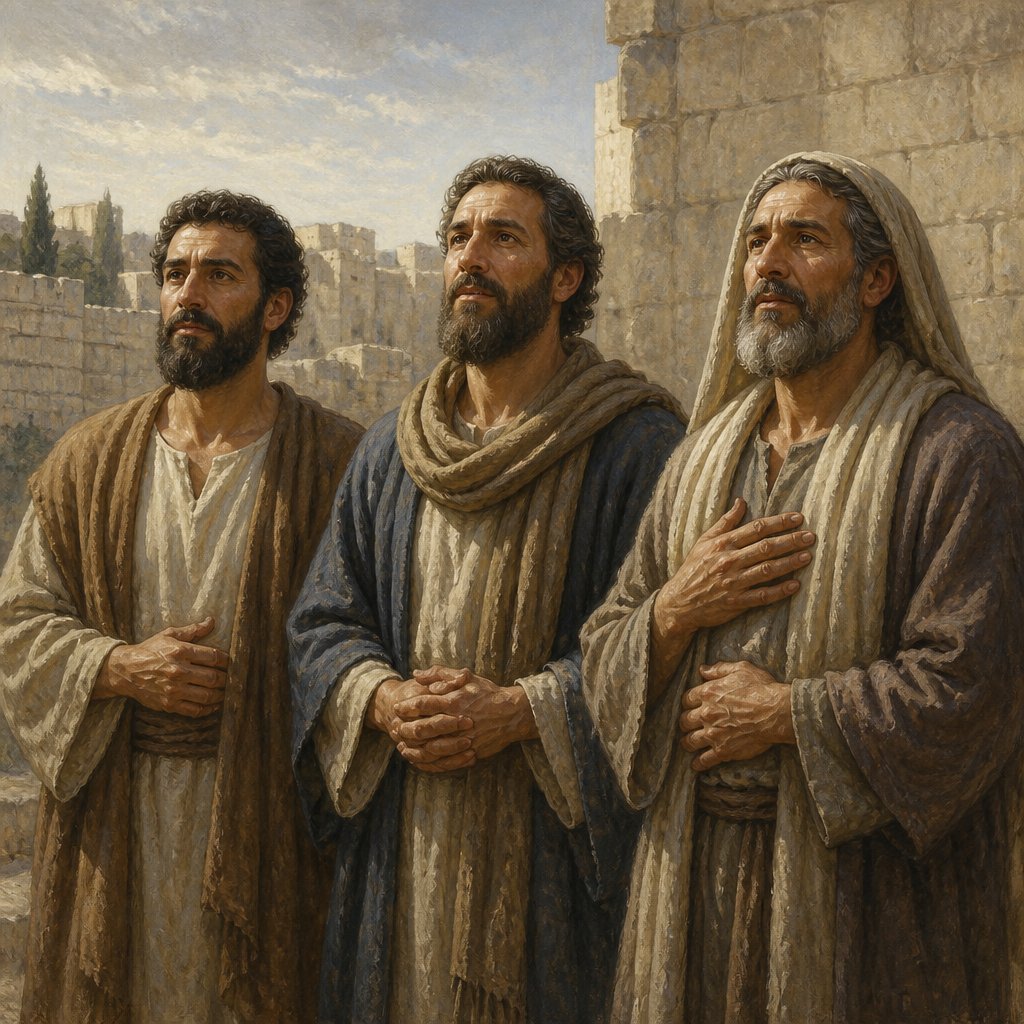
The book of Nehemiah is a profound chronicle of renewal, leadership, and restoration. It showcases the journey of the Israelites as they return to Jerusalem after decades of exile, rebuilding not just their city and walls but also their covenant with God. Nehemiah 10:15 reads, "Bunni, Azgad, Bebai," which, while it may initially seem like a mere list of names, invites deep reflection into the nature of commitment, community, and faith.
In the context of Nehemiah 10, these names represent individuals who sign a covenant document, pledging to follow the laws of God and to restore proper worship and practices among the Israelites. This was a time of serious renewal; the nation was engaging in a recommitment to faithfulness that had been lacking during their time of exile. The act of naming individuals as signatories serves as a reminder that our faith is a communal journey, deeply intertwined with the lives of those around us.
The significance of the covenant commitment cannot be overstated. The Israelites had experienced the consequences of neglecting their relationship with God, and now, standing before the ruins of their past, they chose to step forward in obedience. They knew that their corporate identity was tied to their relationship with their Creator. As it is written in Deuteronomy 7:9, "Know therefore that the Lord thy God, he is God, the faithful God, which keepeth covenant and mercy with them that love him and keep his commandments to a thousand generations." This acknowledgment leads us to ponder our own commitments—what we identified with and how deeply we engage in our covenant with God.
Covenants in the Bible are sacred agreements between God and man. They establish the foundation of a relationship characterized by trust, love, and fidelity. The names Bunni, Azgad, and Bebai may refer to common individuals, yet their decision to join together in strength and unity reflects a desire for restoration within their community. They recognized that individual choices affect the collective faith journey, which prompts us to assess our role in our communities today.
In our lives, it’s easy to take our vows lightly. We often say promises to God or each other without the heart of commitment behind them. Yet, each covenant comes with both a responsibility and reward. Just as the Israelites committed to follow God’s commandments, we too are called to live lives that reflect our faith. Romans 12:1 beckons us, "I beseech you therefore, brethren, by the mercies of God, that ye present your bodies a living sacrifice, holy, acceptable unto God, which is your reasonable service." The call is not to a single moment but to a lifestyle of devoted service.
As we delve deeper into the meaning behind Nehemiah 10:15, we realize that amidst these historical names lies a profound challenge to each believer. We must consider the sacrifices we are willing to make to uphold our commitments to each other and to God. Will we stand alongside our brothers and sisters in Christ, pledging to support one another in faith? Are we willing to commit to the church, to serve diligently, and to embody the love of Christ in our everyday relations?
The renewal seen in Nehemiah's time is not just an ancient narrative; it’s an ongoing story in which we are active participants. In a world that often feels fractured, our determination to uphold our commitments—to God, to our church, and to our neighbors—can lead to restoration, healing, and revival. Embrace the names Bunni, Azgad, and Bebai not just as historical figures but as symbols of faithfulness and community. In committing to the covenant with God and with each other, we can pave a new path forward, just as the Israelites did, as a united community dedicated to glorifying our faithful God.
Get our apps


Artwork for Nehemiah 10:15

Nehemiah 10:15 - "Bunni, Azgad, Bebai,"
"Bunni, Azgad, Bebai," - Nehemiah 10:15

Nehemiah 10:1 - "Now those that sealed were, Nehemiah, the Tirshatha, the son of Hachaliah, and Zidkijah,"

Nehemiah 10:10 - "And their brethren, Shebaniah, Hodijah, Kelita, Pelaiah, Hanan,"

Nehemiah 8:10

Nehemiah 8:10

Nehemiah 8:10

Nehemiah 12:15 - "Of Harim, Adna; of Meraioth, Helkai;"

Nehemiah 10:22 - "Pelatiah, Hanan, Anaiah,"

Nehemiah 10:24 - "Hallohesh, Pileha, Shobek,"

Nehemiah 10:5 - "Harim, Meremoth, Obadiah,"

Nehemiah 10:21 - "Meshezabeel, Zadok, Jaddua,"

Nehemiah 10:23 - "Hoshea, Hananiah, Hashub,"

Nehemiah 10:7 - "Meshullam, Abijah, Mijamin,"

Nehemiah 10:25 - "Rehum, Hashabnah, Maaseiah,"

Nehemiah 10:11 - "Micha, Rehob, Hashabiah,"

Nehemiah 10:27 - "Malluch, Harim, Baanah."

Nehemiah 10:19 - "Hariph, Anathoth, Nebai,"

Nehemiah 10:6 - "Daniel, Ginnethon, Baruch,"

Nehemiah 10:26 - "And Ahijah, Hanan, Anan,"

Nehemiah 10:16 - "Adonijah, Bigvai, Adin,"

Nehemiah 10:18 - "Hodijah, Hashum, Bezai,"

Nehemiah 10:4 - "Hattush, Shebaniah, Malluch,"

Nehemiah 10:2 - "Seraiah, Azariah, Jeremiah,"

Nehemiah 10:20 - "Magpiash, Meshullam, Hezir,"

Nehemiah 10:3 - "Pashur, Amariah, Malchijah,"

Nehemiah 10:17 - "Ater, Hizkijah, Azzur,"

Nehemiah 10:13 - "Hodijah, Bani, Beninu."

Nehemiah 10:12 - "Zaccur, Sherebiah, Shebaniah,"

Nehemiah 7:15 - "The children of Binnui, six hundred forty and eight."