Covenant and Commitment: Lessons from Nehemiah 10:2
“Seraiah, Azariah, Jeremiah,” — Nehemiah 10:2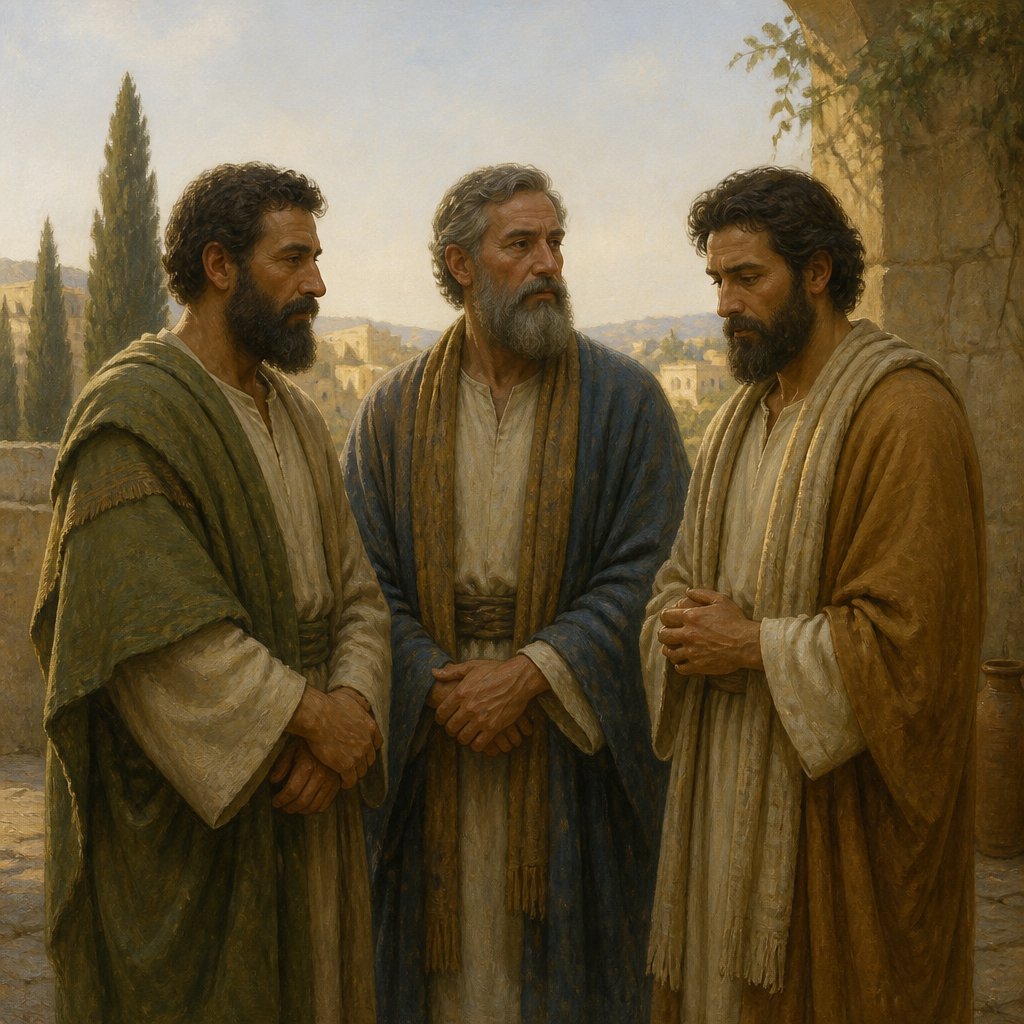
The book of Nehemiah unfolds a narrative of restoration and revival, buoyed by the fervent prayers and actions of Nehemiah, a man called by God to rebuild the walls of Jerusalem. Nehemiah 10:2 mentions, "Seraiah, Azariah, Jeremiah," as part of a list of names, integral to a larger covenantal promise made by the people of Israel. Though these names might sound unfamiliar to many, their inclusion in this passage unveils profound truths about commitment, community, and covenant—a call to collectively proclaim faithfulness to God.
In the context of Nehemiah 10, the Israelites are at a pivotal moment in their history. After enduring exile and oppression, they return with a longing to restore their identity and dedicate themselves anew to their God. The names mentioned—Seraiah, Azariah, and Jeremiah—represent leaders and Levites who stand as witnesses to a key covenant, highlighting the importance of accountability within the community.
To appreciate the depth of this verse, we must understand the significance of making a covenant within a communal structure. A covenant goes beyond mere agreement; it embodies a deep-seated promise to uphold certain values, to walk in obedience, and to honor the commitments made before the Lord. In this instance, the Israelites covenant together to follow God’s laws, to demonstrate their faithfulness, and to commit to the rebuilding not just of walls, but of hearts and lives dedicated to God. This collective commitment seeks to restore both the physical and spiritual landscape of their community.
### The Power of Names
Their names—Seraiah, Azariah, Jeremiah—serve as reminders that every person in the community has a role to play in fulfilling God’s mission. Just like these leaders, we too are called to step up in our communities, holding one another accountable, and encouraging faithfulness. Each of us bears responsibility not only for our own walk with God but also for the walks of those around us. The strength of the Israelites' commitment lay in their unity. When we look at our own lives, we must ask ourselves: How is our commitment to God affecting those around us? Are we encouraging collective faithfulness to Christ in our communities?
### Covenant Community
Furthermore, Nehemiah 10 resonates with the concept of covenant community. The Israelites understood that their relationship with God was not merely individualistic; it was corporate. In a time where autonomy often reigns supreme, we can take refuge in the importance of community reflected in Nehemiah's text. This highlights that we are stronger together, bound by a common purpose to live in alignment with God’s commands. This requires vulnerability, openness, and an authentic relationship with one another within the body of Christ.
### Response to Restoration
In response to God’s restoration, the people make declarations to abstain from practices that led them astray, vowing to follow the laws of Moses. This mirrors our own journeys of faith. The act of naming the leaders signifies the importance of recognizing those who guide or influence us. We need to surround ourselves with godly examples, just as Seraiah, Azariah, and Jeremiah were set apart in their time. Who are the voices in our lives calling us toward faithfulness? And how can we be those voices for others?
### Reflection and Application
As we reflect on Nehemiah 10:2, consider your own walk with God. What covenant commitments have you made, personally and communally? Are you actively pursuing a life that reflects God's glory and encourages others to do the same? Take a moment to pray for wisdom and courage to step into the roles we are called to play within our communities. May we honor the commitment of these leaders—Seraiah, Azariah, and Jeremiah—by walking together in faithfulness to God’s word, rebuilding the walls that are broken around us.
Let us not merely be observers of this scripture but active participants in God’s redemptive plan, united in purpose and steadfast in commitment as a covenant community.
Get our apps


Artwork for Nehemiah 10:2

Nehemiah 10:2 - "Seraiah, Azariah, Jeremiah,"
"Seraiah, Azariah, Jeremiah," - Nehemiah 10:2

Nehemiah 2:10 - "When Sanballat the Horonite, and Tobiah the servant, the Ammonite, heard of it, it grieved them exceedingly that there was come a man to seek the welfare of the children of Israel."

Nehemiah 10:1 - "Now those that sealed were, Nehemiah, the Tirshatha, the son of Hachaliah, and Zidkijah,"

Nehemiah 10:10 - "And their brethren, Shebaniah, Hodijah, Kelita, Pelaiah, Hanan,"

Nehemiah 8:10

Nehemiah 8:10

Nehemiah 8:10

Nehemiah 10:24 - "Hallohesh, Pileha, Shobek,"

Nehemiah 10:22 - "Pelatiah, Hanan, Anaiah,"

Nehemiah 10:5 - "Harim, Meremoth, Obadiah,"

Nehemiah 10:23 - "Hoshea, Hananiah, Hashub,"

Nehemiah 10:21 - "Meshezabeel, Zadok, Jaddua,"

Nehemiah 10:7 - "Meshullam, Abijah, Mijamin,"

Nehemiah 10:11 - "Micha, Rehob, Hashabiah,"

Nehemiah 10:27 - "Malluch, Harim, Baanah."

Nehemiah 10:25 - "Rehum, Hashabnah, Maaseiah,"

Nehemiah 10:19 - "Hariph, Anathoth, Nebai,"

Nehemiah 10:6 - "Daniel, Ginnethon, Baruch,"

Nehemiah 10:26 - "And Ahijah, Hanan, Anan,"

Nehemiah 10:16 - "Adonijah, Bigvai, Adin,"

Nehemiah 10:18 - "Hodijah, Hashum, Bezai,"

Nehemiah 10:20 - "Magpiash, Meshullam, Hezir,"

Nehemiah 10:3 - "Pashur, Amariah, Malchijah,"

Nehemiah 10:17 - "Ater, Hizkijah, Azzur,"

Nehemiah 10:4 - "Hattush, Shebaniah, Malluch,"

Nehemiah 10:12 - "Zaccur, Sherebiah, Shebaniah,"

Nehemiah 10:15 - "Bunni, Azgad, Bebai,"

Nehemiah 10:13 - "Hodijah, Bani, Beninu."

Nehemiah 11:10 - "Of the priests: Jedaiah the son of Joiarib, Jachin."