Rebuilding the Sacred: The Call to Priestly Commitment
“Maaziah, Bilgai, Shemaiah: these were the priests.” — Nehemiah 10:8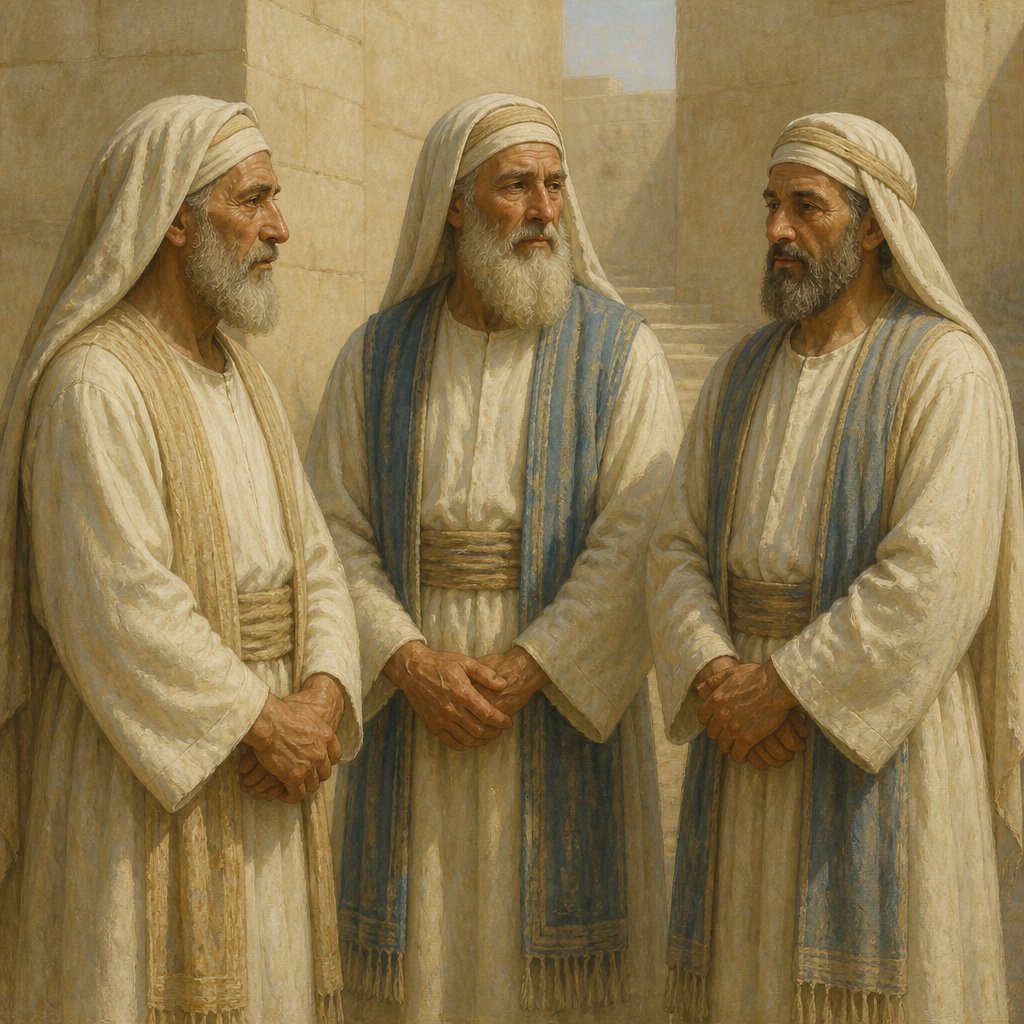
Nehemiah 10:8 (KJV) reads: "Maaziah, Bilgai, Shemaiah: these were the priests." At first glance, this verse may appear to be a mundane record of names from the ancient rebuilding of Jerusalem, but as we delve deeper, we uncover the profound significance of this passage for us today, especially considering the importance of priests in the covenant community of Israel.
In the context of Nehemiah, we find a narrative filled with spiritual renewal and restoration. The Israelites, returning from exile, sought to rebuild not just the walls of Jerusalem but also their broken relationship with God. In doing so, they reaffirmed their commitment to God's covenant, led by a resolute Nehemiah. This was not just a physical reconstruction but a spiritual reawakening, and the mention of priests like Maaziah, Bilgai, and Shemaiah highlights the essential roles that spiritual leaders play in guiding God’s people in worship, accountability, and covenant fidelity.
The mention of these priests serves as a reminder of the importance of leadership in spiritual matters. Maaziah, Bilgai, and Shemaiah were more than just names; they represented a return to faithfulness and the duty of the priests to mediate between God and His people. They were called to lead in worship, teach the law, offer sacrifices, and ensure that the community followed God’s commands. In our own lives, this raises an important question: Who are the spiritual leaders in our lives today? And how can we support them in their sacred calling?
As modern believers, we can reflect on the roles that spiritual leaders play in our communities—pastors, elders, Sunday school teachers, and mentors. They are not just figures of authority; they embody a vital connection between the congregation and God. Their commitment to living out the principles of the Word and to serving others is a reflection of the priestly role that God intended for His people. We, too, are called to be a royal priesthood (1 Peter 2:9), emphasizing that priestly duties are not limited to clergy, but extend to all believers.
Furthermore, the naming of these priests reminds us of the importance of accountability within the community. In Nehemiah’s time, the people made a covenant to adhere to God’s laws and instructions, supporting their leaders as they recommitted themselves to the ways of God. Our society often struggles with loyalty and commitment in both spiritual and personal realms. We must encourage one another in our faith journeys and hold each other accountable, just as those Israelites did.
Consider the significance of the covenant that was being re-established. It was a promise and a commitment toward God’s commandments, a conscious choice to live a life set apart for holiness. This is echoed throughout scripture, reminding us that our faith is not passive but requires an active response. As we walk in faith, we must strive to embody Christ-like qualities in our daily lives.
In a practical sense, how can we go about honoring this call? First, we can take time to pray for our spiritual leaders, appreciating the weight of their responsibilities. Second, we can engage in community with accountability, ensuring that we are supporting one another in following God’s commands. Lastly, let us not forget our own priestly duties; each of us has a role to play in witnessing to the world, serving, showing love, and encouraging those around us to deepen their faith.
Thus, the reference to the priests Maaziah, Bilgai, and Shemaiah is more than just a list of names; it’s an invitation to recognize the seriousness of leadership and community in faith. Let their commitment in rebuilding the temple inspire us to renew our dedication to God and to one another as we continually seek His face and rebuild our lives in accordance with His will.
Get our apps


Artwork for Nehemiah 10:8

Nehemiah 10:8 - "Maaziah, Bilgai, Shemaiah: these were the priests."
"Maaziah, Bilgai, Shemaiah: these were the priests." - Nehemiah 10:8

Nehemiah 8:10

Nehemiah 8:10

Nehemiah 8:10

Nehemiah 10:1 - "Now those that sealed were, Nehemiah, the Tirshatha, the son of Hachaliah, and Zidkijah,"

Nehemiah 10:10 - "And their brethren, Shebaniah, Hodijah, Kelita, Pelaiah, Hanan,"

Nehemiah 10:22 - "Pelatiah, Hanan, Anaiah,"

Nehemiah 10:24 - "Hallohesh, Pileha, Shobek,"

Nehemiah 10:5 - "Harim, Meremoth, Obadiah,"

Nehemiah 10:21 - "Meshezabeel, Zadok, Jaddua,"

Nehemiah 10:23 - "Hoshea, Hananiah, Hashub,"

Nehemiah 10:7 - "Meshullam, Abijah, Mijamin,"

Nehemiah 10:25 - "Rehum, Hashabnah, Maaseiah,"

Nehemiah 10:11 - "Micha, Rehob, Hashabiah,"

Nehemiah 10:27 - "Malluch, Harim, Baanah."

Nehemiah 10:19 - "Hariph, Anathoth, Nebai,"

Nehemiah 10:6 - "Daniel, Ginnethon, Baruch,"

Nehemiah 10:26 - "And Ahijah, Hanan, Anan,"

Nehemiah 10:16 - "Adonijah, Bigvai, Adin,"

Nehemiah 10:18 - "Hodijah, Hashum, Bezai,"

Nehemiah 10:4 - "Hattush, Shebaniah, Malluch,"

Nehemiah 10:2 - "Seraiah, Azariah, Jeremiah,"

Nehemiah 10:20 - "Magpiash, Meshullam, Hezir,"

Nehemiah 10:3 - "Pashur, Amariah, Malchijah,"

Nehemiah 10:17 - "Ater, Hizkijah, Azzur,"

Nehemiah 10:15 - "Bunni, Azgad, Bebai,"

Nehemiah 10:13 - "Hodijah, Bani, Beninu."

Nehemiah 10:12 - "Zaccur, Sherebiah, Shebaniah,"

Nehemiah 8:10 - "Then he said unto them, Go your way, eat the fat, and drink the sweet, and send portions unto them for whom nothing is prepared: for this day is holy unto our Lord: neither be ye sorry; for the joy of the LORD is your strength."