Finding Our Place in God’s Inheritance
“And the residue of Israel, of the priests, and the Levites, were in all the cities of Judah, every one in his inheritance.” — Nehemiah 11:20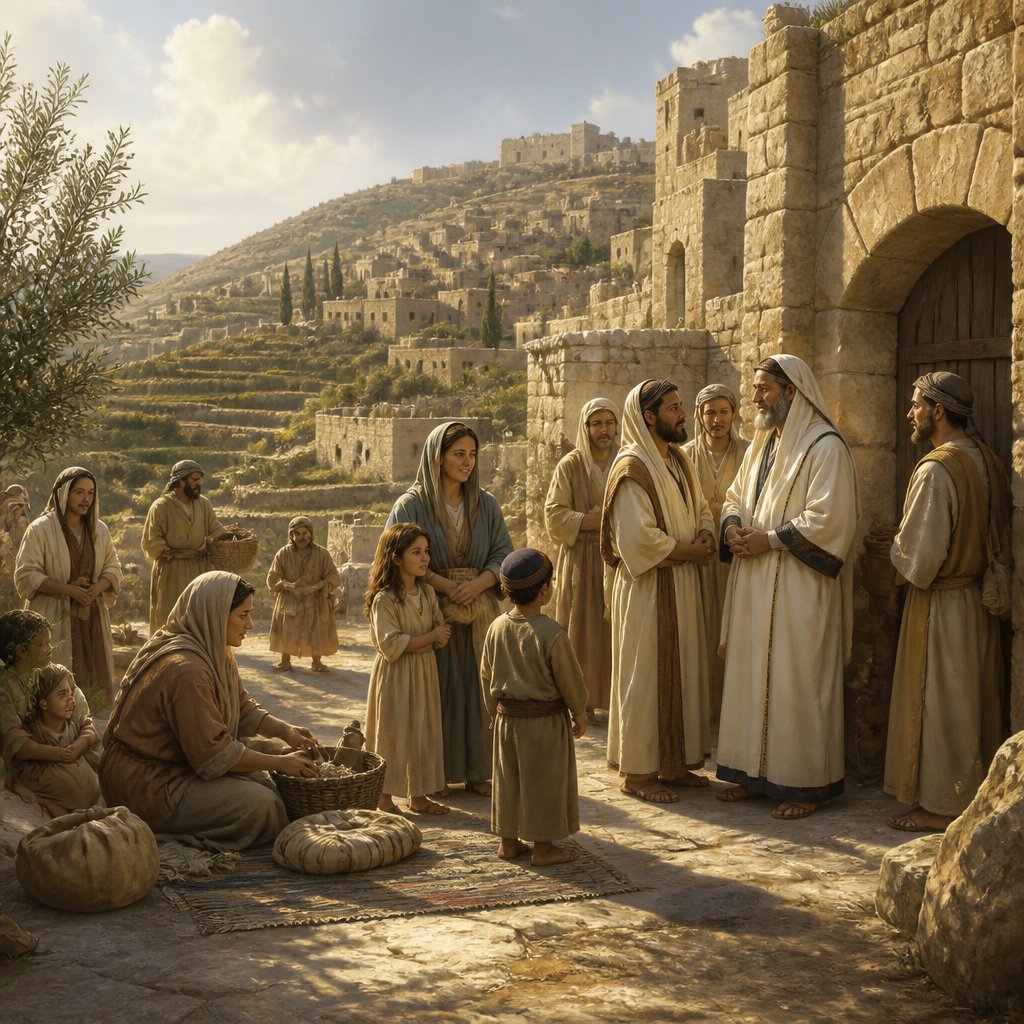
Nehemiah 11:20 states, "And the residue of Israel, of the priests, and the Levites, were in all the cities of Judah, every one in his inheritance." This verse introduces us to a pivotal moment post-exile when the Israelites were returning to their homeland. With the walls of Jerusalem rebuilt and the temple restored, attention now turned to governing and optimizing life in the land. In this context, Nehemiah highlights not just the need for physical restoration but also the spiritual and communal rebuilding of the nation.
This passage emphasizes the importance of inheritance – a concept woven throughout the Bible that signifies identity, belonging, and God’s promises. The reference to the priests and the Levites signifies their roles within the community, pointing toward the significance of the spiritual leaders and their responsibilities. Each group had a specific inheritance, a land designated for them, emphasizing that God's people were not merely a disorganized mass but a structured community with designated roles and responsibilities.
In our own lives, we must ask ourselves, what is our inheritance? God has prepared a place and purpose for each one of us, much like He did for the priests and Levites. Our inheritance might not be a specific piece of land, but it signifies our identity in Christ and our roles within His kingdom. Ephesians 1:11 declares, "In whom also we have obtained an inheritance, being predestinated according to the purpose of him who worketh all things after the counsel of his own will." Understanding our spiritual inheritance helps us recognize our value in God’s eyes and incentivizes us to carry out our unique assignments within our communities.
Moreover, the verse makes an important point about collective versus individual inheritance. The entire community comprises diverse roles, from the priests who served in the sacred duties of the temple to the Levites who assisted them in maintaining the worship. In today’s context, the Church functions similarly; we are the body of Christ, made up of many parts, each fulfilling essential tasks (1 Corinthians 12:12-27). Your function may be different from mine, and that is exactly the design of God.
As we reflect on this verse, we should consider whether we are fulfilling our purposes in God's kingdom. Are we serving where we’ve been placed? Are we fully utilizing our God-given gifts and talents to impact those around us? It can be easy to become distracted or discouraged, especially when comparing ourselves to others. However, our worth is not contingent upon our visibility or recognition in the church or society, but rather, it is found in fulfilling our divinely ordained roles.
There’s also a value in community that this verse reveals. The priests and Levites were scattered throughout the cities of Judah, signifying that worship and the law were not confined to the temple but integrated into everyday life. This prompts us to consider how we bring our faith into the various contexts of our lives. Are we living as representatives of Christ in our neighborhoods, workplaces, and families? The legacy of the Israelites reminds us that each of our actions contributes to the larger narrative of God’s kingdom.
In closing, Nehemiah 11:20 draws us into beautiful truths about belonging and purpose. As we claim our inheritance, let's be grounded in who we are in Christ and committed to serving our community with intent. In doing so, we uphold the legacy passed down through Scripture and acknowledge the sacredness of our roles within the body of Christ. May we ever desire to fulfill our call and help others along the way, ensuring that the legacy of faithfulness continues in our own lives and through the lives of those who will come after us.
Get our apps


Artwork for Nehemiah 11:20

Nehemiah 11:20 - "¶ And the residue of Israel, of the priests, and the Levites, were in all the cities of Judah, every one in his inheritance."
"¶ And the residue of Israel, of the priests, and the Levites, were in all the cities of Judah, every one in his inheritance." - Nehemiah 11:20

Nehemiah 11:11-14

Nehemiah 11:13

Nehemiah 11:1-19

Nehemiah 10:20 - "Magpiash, Meshullam, Hezir,"

Nehemiah 12:20 - "Of Sallai, Kallai; of Amok, Eber;"

Nehemiah 7:20 - "The children of Adin, six hundred fifty and five."

Nehemiah 11:34 - "Hadid, Zeboim, Neballat,"

Nehemiah 10:11 - "Micha, Rehob, Hashabiah,"

Nehemiah 11:33 - "Hazor, Ramah, Gittaim,"

Nehemiah 11:32 - "And at Anathoth, Nob, Ananiah,"

Nehemiah 11:26 - "And at Jeshua, and at Moladah, and at Beth-phelet,"

Nehemiah 11:29 - "And at En-rimmon, and at Zareah, and at Jarmuth,"

Nehemiah 11:35 - "Lod, and Ono, the valley of craftsmen."

Nehemiah 11:28 - "And at Ziklag, and at Mekonah, and in the villages thereof,"

"Magpiash, Meshullam, Hezir," - Nehemiah 10:20

Nehemiah 11:36 - "And of the Levites were divisions in Judah, and in Benjamin."

Nehemiah 11:10 - "Of the priests: Jedaiah the son of Joiarib, Jachin."

Nehemiah 12:11 - "And Joiada begat Jonathan, and Jonathan begat Jaddua."

Nehemiah 11:27 - "And at Hazar-shual, and at Beer-sheba, and in the villages thereof,"

Nehemiah 2:11 - "So I came to Jerusalem, and was there three days."

Nehemiah 11:11 - "Seraiah the son of Hilkiah, the son of Meshullam, the son of Zadok, the son of Meraioth, the son of Ahitub, was the ruler of the house of God."
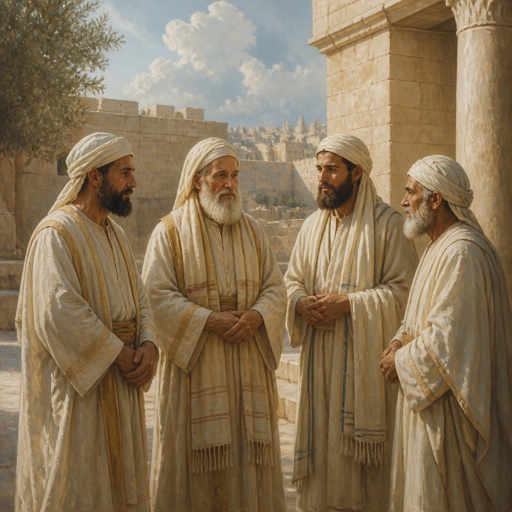
"Of Sallai, Kallai; of Amok, Eber;" - Nehemiah 12:20

Nehemiah 13:20 - "So the merchants and sellers of all kind of ware lodged without Jerusalem once or twice."

"And at Anathoth, Nob, Ananiah," - Nehemiah 11:32

"Hadid, Zeboim, Neballat," - Nehemiah 11:34

"Hazor, Ramah, Gittaim," - Nehemiah 11:33

"Micha, Rehob, Hashabiah," - Nehemiah 10:11

Nehemiah 11:21 - "But the Nethinims dwelt in Ophel: and Ziha and Gispa were over the Nethinims."