The Legacy of Faithfulness: A Reflection on Nehemiah 12:13
“Of Ezra, Meshullam; of Amariah, Jehohanan;” — Nehemiah 12:13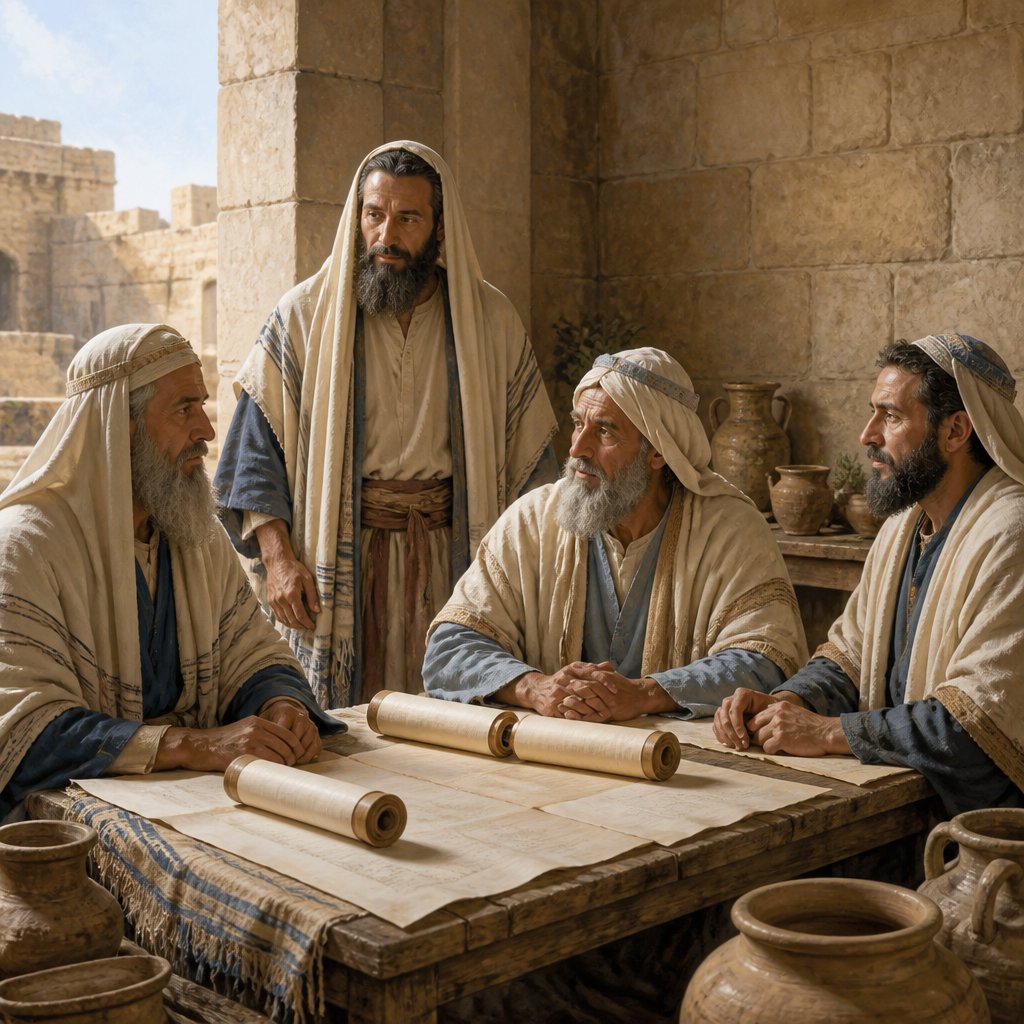
As we turn our attention to Nehemiah 12:13, which states, "Of Ezra, Meshullam; of Amariah, Jehohanan;" we find ourselves amidst a profound moment within the narrative of the Jewish people’s restoration and rededication. This seemingly simple verse serves as a gateway into the deeper revelations of faithfulness, legacy, and God’s understanding of His people’s stories.
In the context of Nehemiah, we observe a time of renewal after the Israelites return from Babylonian exile. Ezra, identified in this verse, was a priest and scribe who played a crucial role in leading the people back to the Law of Moses. The listing of names in this chapter is not merely a function of record-keeping; it represents the faithfulness of God to His covenant and the commitment of His people to reclaim their identity and mission, rooted in worship and obedience.
What stands out viscerally in this verse is the familial lineages that are being traced. Names like Meshullam and Jehohanan remind us that identity in scripture is not isolated; it is built through generations. Each name mentioned carries stories, burdens, and blessings that have been pivotal in shaping Israel’s journey. In recognizing these individuals, the text invites us to consider our own legacies. Who are the 'Ezras' in our lives? Who are the faithful ones, perhaps unnamed, whose acts of devotion and service have continually inspired us or paved the way for our own walks of faith?
Legacy is a profound concept. The Bible gives us countless examples of legacy passed from generation to generation. Timothy received the faith from his grandmother Lois and his mother Eunice (2 Timothy 1:5). Likewise, we see how the faith of those before us influences our present actions and shapes our future. As we ponder Nehemiah 12:13, we are led to reflect on how we might be building our own legacy.
As individuals living in the modern world, the need for direction and role models is as critical as it was during the days of Ezra and Nehemiah. Amidst the chaos around us, we may feel unworthy or disconnected from this lineage of faith. Yet, our own stories are importantly woven into this narrative. God is sovereign over every detail of our lives, and the legacy we pass on can echo through the ages. Just as Nehemiah brought the people together for worship and renewal, we too are called to gather, to remember, and to celebrate the faithfulness of God evidenced through our ancestors and spiritual leaders.
Moreover, the legacy we build today will serve not only our immediate family but extends to our church communities and beyond. As worshipers gather, much like the assembly in Nehemiah’s time, there is a collective strength that originates from shared faith. By examining how Ezra modelled dedication to God’s Word, we are compelled to ask ourselves: how are we reflecting our faith to future generations?
In practical terms, we can begin building this legacy by investing in the lives of others. Mentorship is a powerful tool; sharing our testimonies and insights from struggles can fortify the faith of those around us. We can also commit to being diligent in our spiritual disciplines, showing future generations the importance of prayer, study, and community worship.
As we conclude our reflection on Nehemiah 12:13, let us remain mindful of our identities rooted in Christ and explore who we can cultivate and influence in our paths. The names recorded in scripture reveal both the past and future of faithfulness. May we not forget the power of our names being added to the story of the faithful as we seek to honor God and fulfill the purpose He has entrusted to us. Let us embrace this call to legacy today!
Get our apps


Artwork for Nehemiah 12:13

Nehemiah 12:13 - "Of Ezra, Meshullam; of Amariah, Jehohanan;"

"Of Ezra, Meshullam; of Amariah, Jehohanan;" - Nehemiah 12:13

Nehemiah 13:12 - "Then brought all Judah the tithe of the corn and the new wine and the oil unto the treasuries."
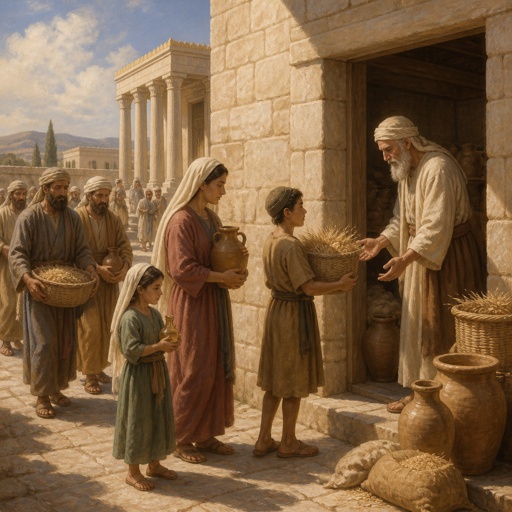
"Then brought all Judah the tithe of the corn and the new wine and the oil unto the treasuries." - Nehemiah 13:12

Nehemiah 11:13

Nehemiah 12:26 - "These were in the days of Joiakim the son of Jeshua, the son of Jozadak, and in the days of Nehemiah the governor, and of Ezra the priest, the scribe."

Nehemiah 10:13 - "Hodijah, Bani, Beninu."

Nehemiah 12:33 - "And Azariah, Ezra, and Meshullam,"

Nehemiah 12:5 - "Miamin, Maadiah, Bilgah,"

Nehemiah 12:2 - "Amariah, Malluch, Hattush,"

Nehemiah 12:4 - "Iddo, Ginnetho, Abijah,"

Nehemiah 12:3 - "Shechaniah, Rehum, Meremoth,"

Nehemiah 10:12 - "Zaccur, Sherebiah, Shebaniah,"

Nehemiah 12:6 - "Shemaiah, and Joiarib, Jedaiah,"

Nehemiah 12:12 - "And in the days of Joiakim were priests, the chief of the fathers: of Seraiah, Meraiah; of Jeremiah, Hananiah;"

Nehemiah 12:16 - "Of Iddo, Zechariah; of Ginnethon, Meshullam;"

Nehemiah 12:20 - "Of Sallai, Kallai; of Amok, Eber;"

Nehemiah 12:19 - "And of Joiarib, Mattenai; of Jedaiah, Uzzi;"

Nehemiah 12:34 - "Judah, and Benjamin, and Shemaiah, and Jeremiah,"

Nehemiah 12:15 - "Of Harim, Adna; of Meraioth, Helkai;"

Nehemiah 12:18 - "Of Bilgah, Shammua; of Shemaiah, Jehonathan;"

Nehemiah 12:14 - "Of Melicu, Jonathan; of Shebaniah, Joseph;"

Nehemiah 12:21 - "Of Hilkiah, Hashabiah; of Jedaiah, Nethaneel."

Nehemiah 12:17 - "Of Abijah, Zichri; of Miniamin, of Moadiah, Piltai;"

Nehemiah 7:13 - "The children of Zattu, eight hundred forty and five."

Nehemiah 12:11 - "And Joiada begat Jonathan, and Jonathan begat Jaddua."

"Hodijah, Bani, Beninu." - Nehemiah 10:13

Nehemiah 7:12 - "The children of Elam, a thousand two hundred fifty and four."

Nehemiah 12:32 - "And after them went Hoshaiah, and half of the princes of Judah,"

"Miamin, Maadiah, Bilgah," - Nehemiah 12:5