Faithful Remnants: Lessons from Nehemiah 12:15
“Of Harim, Adna; of Meraioth, Helkai;” — Nehemiah 12:15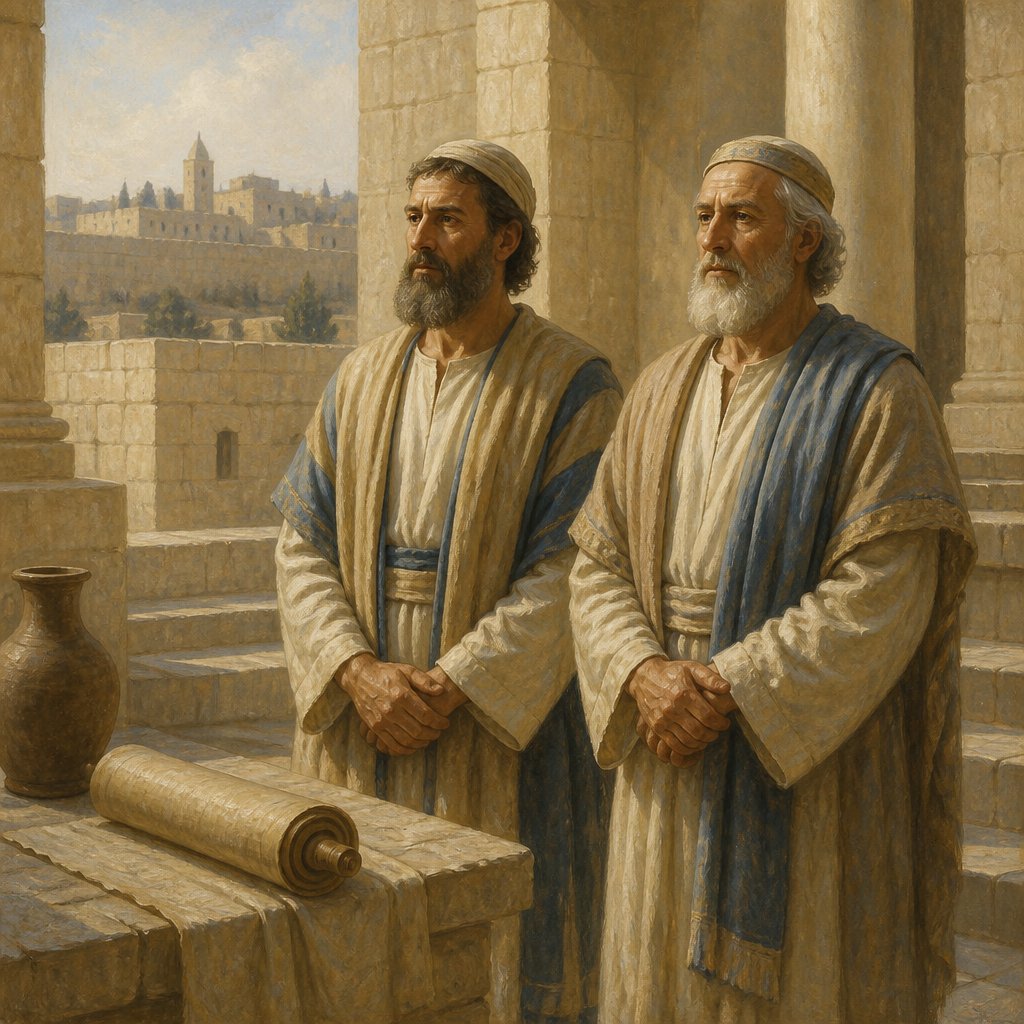
As we delve into Nehemiah 12:15, where we find the names of the priestly families, we discover a thread of faithfulness woven through the history of God’s people. The verse states, “Of Harim, Adna; of Meraioth, Helkai.” At first glance, this passage may appear to be a tedious list of names, yet there is depth and meaning that can be drawn from it. To understand this more fully, we must consider the context of Nehemiah and the significance of these specific names.
Nehemiah, a servant of the Persian king, felt a deep burden for his homeland, Jerusalem, which lay in ruins. He returned to his people to restore the city, not just physically but spiritually. The rebuilding of the walls was a practical act that also carried great symbolic weight—the reestablishment of the covenant community dedicated to worshiping Yahweh. Throughout this book, one theme stands out: the revival of commitment to God’s covenant.
In listing the descendants of Harim and Meraioth, Nehemiah highlights individuals who played crucial roles in rebuilding the community and reestablishing the worship system in Jerusalem. Each name represents not only a family lineage but a legacy of faithfulness. They were part of a remnant that survived exile and returned to Jerusalem. Their journey back was not just a geographical return, but a spiritual reclamation. As believers, we also belong to a lineage of faith—remnants of generations that believed in God’s promises and took action to fulfill His calling.
The mentioning of Harim and Meraioth serves as a reminder that God values the faithful, even those whose contributions may seem small or insignificant. In a world that often celebrates fame and grandeur, the priestly families remind us that God’s economy is different. He sees the heart, commitment, and service that may go unnoticed by others. Adna and Helkai may not have been the names that people would recognize today, but in the eyes of God, their faithfulness was paramount. They contributed to reestablishing the worship of God in Jerusalem, a task of eternal significance.
As we ponder the perseverance of these families, let’s reflect on the faithfulness in our own lives. Are we committed to serving God, even when our roles seem overlooked? Spiritual tasks in our churches or families can feel mundane, but they are deeply meaningful to God. Our involvement in prayer groups, teaching Sunday school, or serving our communities may resemble the quiet faithfulness of Adna and Helkai. We must recognize that no act of service goes unnoticed by God, who promises to reward those who seek Him earnestly.
Furthermore, Nehemiah's account exemplifies the importance of community. The list of names reminds us we are part of a larger body, the Church, called to work together for God's glory. Each member, regardless of their role, is vital to the health and mission of the body of Christ. Just like Harim and Meraioth’s descendants contributed to the priesthood, each of us has unique gifts necessary for the edification of the church.
In our struggles and trials, let us not forget the promise that God is ever-faithful. The history of His people showcases that while we may face challenges, He is actively working through us. As we seek to fulfill His purpose, let us remember Nehemiah 12:15 as an encouragement to stand firm in our commitment, knowing that we serve a God who honors faithfulness.
In conclusion, as we reflect on the seemingly simple verse of Nehemiah 12:15, we are reminded of the importance of faithfulness amidst community and legacy. Each name, each person of this priestly heritage, contributes to God’s overarching narrative. Let this inspire our faithful service and remembrance of those who have paved the way before us. May we hold tightly to the call of God on our lives, engaging our families and communities in the work He has assigned to us, no matter how small it may seem. God sees, hears, and appreciates every effort made for His kingdom.
Get our apps


Artwork for Nehemiah 12:15

Nehemiah 12:15 - "Of Harim, Adna; of Meraioth, Helkai;"
"Of Harim, Adna; of Meraioth, Helkai;" - Nehemiah 12:15

Nehemiah 12:26 - "These were in the days of Joiakim the son of Jeshua, the son of Jozadak, and in the days of Nehemiah the governor, and of Ezra the priest, the scribe."

Nehemiah 10:15 - "Bunni, Azgad, Bebai,"

Nehemiah 12:5 - "Miamin, Maadiah, Bilgah,"

Nehemiah 12:33 - "And Azariah, Ezra, and Meshullam,"

Nehemiah 12:4 - "Iddo, Ginnetho, Abijah,"

Nehemiah 12:2 - "Amariah, Malluch, Hattush,"

Nehemiah 12:3 - "Shechaniah, Rehum, Meremoth,"

Nehemiah 10:12 - "Zaccur, Sherebiah, Shebaniah,"

Nehemiah 12:6 - "Shemaiah, and Joiarib, Jedaiah,"

Nehemiah 12:12 - "And in the days of Joiakim were priests, the chief of the fathers: of Seraiah, Meraiah; of Jeremiah, Hananiah;"

Nehemiah 12:13 - "Of Ezra, Meshullam; of Amariah, Jehohanan;"

Nehemiah 12:16 - "Of Iddo, Zechariah; of Ginnethon, Meshullam;"

Nehemiah 12:20 - "Of Sallai, Kallai; of Amok, Eber;"

Nehemiah 12:19 - "And of Joiarib, Mattenai; of Jedaiah, Uzzi;"

Nehemiah 12:34 - "Judah, and Benjamin, and Shemaiah, and Jeremiah,"

Nehemiah 12:18 - "Of Bilgah, Shammua; of Shemaiah, Jehonathan;"

Nehemiah 12:21 - "Of Hilkiah, Hashabiah; of Jedaiah, Nethaneel."

Nehemiah 12:14 - "Of Melicu, Jonathan; of Shebaniah, Joseph;"

Nehemiah 7:15 - "The children of Binnui, six hundred forty and eight."

Nehemiah 12:17 - "Of Abijah, Zichri; of Miniamin, of Moadiah, Piltai;"

Nehemiah 12:11 - "And Joiada begat Jonathan, and Jonathan begat Jaddua."
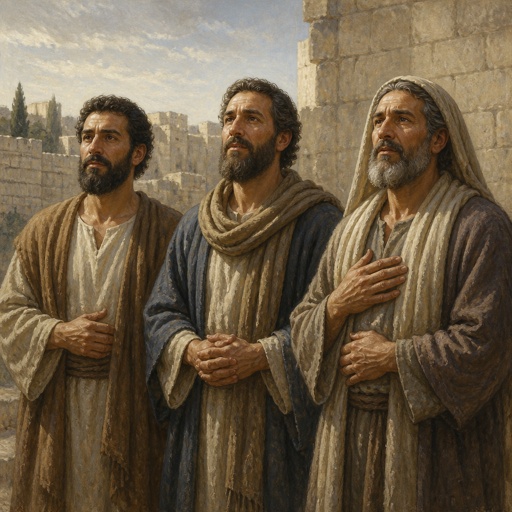
"Bunni, Azgad, Bebai," - Nehemiah 10:15

Nehemiah 6:15 – "So the wall was completed on the twenty-fifth of Elul, in fifty-two days."
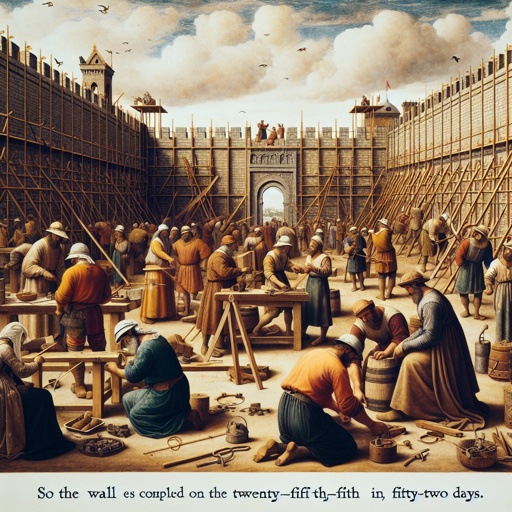
Nehemiah 6:15 – "So the wall was completed on the twenty-fifth of Elul, in fifty-two days."

Nehemiah 7:12 - "The children of Elam, a thousand two hundred fifty and four."

Nehemiah 12:32 - "And after them went Hoshaiah, and half of the princes of Judah,"

"Miamin, Maadiah, Bilgah," - Nehemiah 12:5

"Shemaiah, and Joiarib, Jedaiah," - Nehemiah 12:6