Rebuild, Renew, Rejoice: Lessons from Nehemiah 12:2
“Amariah, Malluch, Hattush,” — Nehemiah 12:2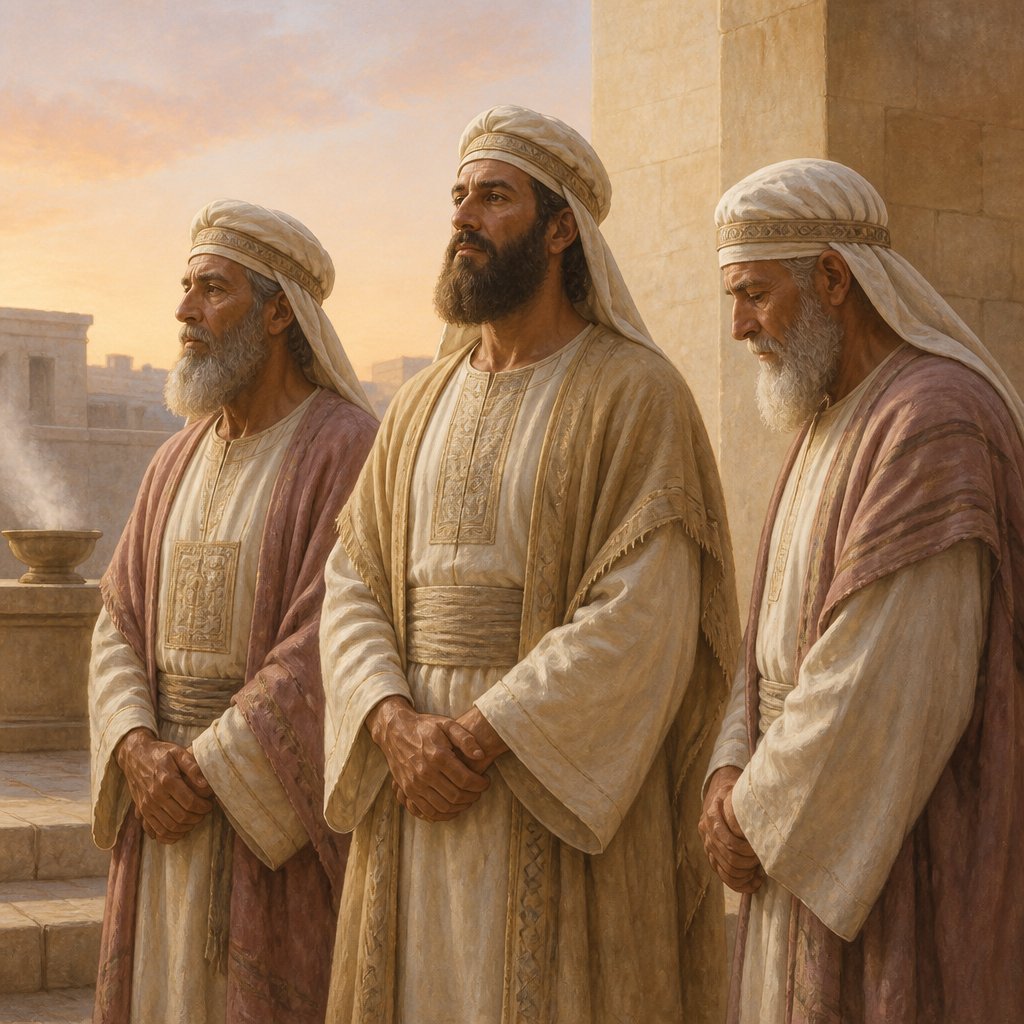
Nehemiah 12:2 speaks a simple yet profound truth about lineage, community, and faithfulness in the face of struggle: "Amariah, Malluch, Hattush," these names represent not only individual identities but also a collective heritage and a hopeful future for the people of Israel. In considering this verse within its broader context, we are invited to reflect on the themes of rebuilding, renewal, and rejoicing in God's faithfulness.
The Book of Nehemiah tells the story of a people returning from exile—banished from their homeland due to their own disobedience and the heartbreak that followed. Nehemiah, a cupbearer turned leader, responded to the news of Jerusalem’s broken walls and broken people with passion and resolve. He undertook a significant task of rebuilding, not just the physical structures of the city, but the very spirit of a community that had suffered for decades. In Nehemiah 12:2, we come upon a genealogical record of the priests and Levites who were instrumental in the restoration efforts during this critical time.
To understand the importance of Nehemiah 12:2, we must first appreciate the significance of names in the biblical context. Each name listed—Amariah, Malluch, Hattush—carries weight, echoing generations of faithfulness to God. These were the ancestors who had served in the temple, who had offered sacrifices, and who had led the people in worship. They represent a continuity of faith across generations, suggesting that the work of restoration is not merely individual but communal and communal output is intergenerational.
In our own lives, how often do we consider the legacy of faith we inherit from those before us? Many of us are shaped by the spiritual practices, values, and beliefs passed down through our families. As we reflect on the names that may not be as illustrious or well-known as the ones mentioned in scripture, we must recognize that every participant in God’s story plays a vital role. Our names too, will someday be spoken as part of a legacy. Are we living in such a way that reflects God’s love and faithfulness?
As we delve deeper, we see that the rebuilding effort enacted by Nehemiah goes beyond physical restoration. It encompasses the re-establishing of worship and community as central components of Israelite life. The detailed account of those who returned is emblematic of God's desire to bring his people back into harmonious relationship with Him. The act of naming these priests and Levites in Nehemiah's record acknowledges their service and sacrifice—essential for leading the people into a renewed covenant relationship with God. Their involvement showcases the importance of leadership in worship, which stands relevant to us today. God calls leaders within our communities to be devoted, faithful stewards of His Word, guiding others toward His purpose.
Moreover, Nehemiah's actions reflect how gratitude must resonate within our hearts when God restores us or the communities we belong to. In the latter chapters of Nehemiah, after the walls are rebuilt, we witness a moment of profound rejoicing and worship. This compels us to ask ourselves: how often do we turn to God in gratitude once He helps us rebuild the walls of our own lives?
Thus, Nehemiah 12:2 serves as a reminder that each of us plays a part in the larger narrative of God’s work. We are called to appreciate our heritage, to participate actively in the present and to cultivate a hopeful vision for the future, rebuilding and nurturing community, worship, and faithfulness amidst our spiritual and personal challenges. As we meditate on this verse, may our hearts resonate with the truth that from each generation to the next, we are called to rebuild, renew, and rejoice in the presence of our Lord.
Get our apps


Artwork for Nehemiah 12:2

Nehemiah 12:2 - "Amariah, Malluch, Hattush,"
"Amariah, Malluch, Hattush," - Nehemiah 12:2

Nehemiah 12:26 - "These were in the days of Joiakim the son of Jeshua, the son of Jozadak, and in the days of Nehemiah the governor, and of Ezra the priest, the scribe."

Nehemiah 12:33 - "And Azariah, Ezra, and Meshullam,"

Nehemiah 12:5 - "Miamin, Maadiah, Bilgah,"

Nehemiah 12:4 - "Iddo, Ginnetho, Abijah,"

Nehemiah 12:3 - "Shechaniah, Rehum, Meremoth,"

Nehemiah 10:12 - "Zaccur, Sherebiah, Shebaniah,"

Nehemiah 12:6 - "Shemaiah, and Joiarib, Jedaiah,"

Nehemiah 12:12 - "And in the days of Joiakim were priests, the chief of the fathers: of Seraiah, Meraiah; of Jeremiah, Hananiah;"

Nehemiah 12:16 - "Of Iddo, Zechariah; of Ginnethon, Meshullam;"

Nehemiah 12:13 - "Of Ezra, Meshullam; of Amariah, Jehohanan;"

Nehemiah 12:20 - "Of Sallai, Kallai; of Amok, Eber;"

Nehemiah 12:19 - "And of Joiarib, Mattenai; of Jedaiah, Uzzi;"

Nehemiah 12:34 - "Judah, and Benjamin, and Shemaiah, and Jeremiah,"

Nehemiah 12:15 - "Of Harim, Adna; of Meraioth, Helkai;"

Nehemiah 12:18 - "Of Bilgah, Shammua; of Shemaiah, Jehonathan;"

Nehemiah 12:14 - "Of Melicu, Jonathan; of Shebaniah, Joseph;"

Nehemiah 12:21 - "Of Hilkiah, Hashabiah; of Jedaiah, Nethaneel."

Nehemiah 12:17 - "Of Abijah, Zichri; of Miniamin, of Moadiah, Piltai;"

Nehemiah 12:11 - "And Joiada begat Jonathan, and Jonathan begat Jaddua."

Nehemiah 7:12 - "The children of Elam, a thousand two hundred fifty and four."

Nehemiah 12:32 - "And after them went Hoshaiah, and half of the princes of Judah,"

"Miamin, Maadiah, Bilgah," - Nehemiah 12:5

"Shemaiah, and Joiarib, Jedaiah," - Nehemiah 12:6

"Zaccur, Sherebiah, Shebaniah," - Nehemiah 10:12

"Iddo, Ginnetho, Abijah," - Nehemiah 12:4

"Shechaniah, Rehum, Meremoth," - Nehemiah 12:3

"And Azariah, Ezra, and Meshullam," - Nehemiah 12:33

Nehemiah 12:30 - "And the priests and the Levites purified themselves, and purified the people, and the gates, and the wall."