Stewards of the Covenant: Lessons from Nehemiah 12:21
“Of Hilkiah, Hashabiah; of Jedaiah, Nethaneel.” — Nehemiah 12:21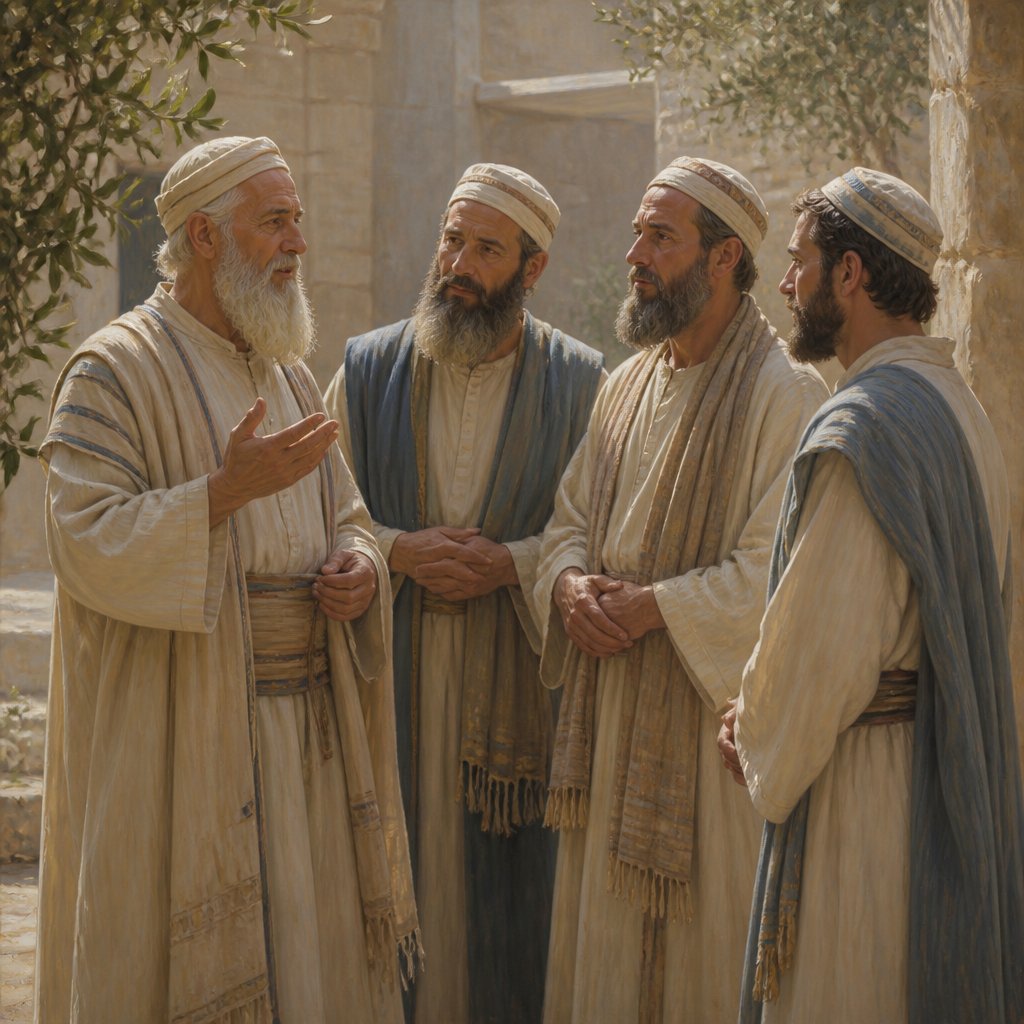
In Nehemiah 12:21, we read, "Of Hilkiah, Hashabiah; of Jedaiah, Nethaneel." These seemingly simple names may appear mundane, but they carry with them profound implications for our understanding of leadership, service, and the continuity of God's covenant with His people.
The context of this verse is crucial. Nehemiah, a cupbearer to the king of Persia, was called to lead the rebuilding of Jerusalem and restore the spiritual integrity of Israel after the Babylonian exile. The list of names in Nehemiah's account, including Hilkiah, Hashabiah, Jedaiah, and Nethaneel, represents the priestly and Levitical families who were appointed to oversee the temple worship and the proper conduct of God’s people. Each name has significance, for they are not just individuals; they are stewards of God's covenant, responsible for the spiritual welfare of the community.
Each one of these men signifies a layer of leadership that God instituted to ensure His covenant was honored and preserved among His people. Hilkiah was a high priest during the reign of King Josiah, known for rediscovering the Book of the Law. His legacy of faithfulness reverberates throughout Bible history, serving as a reminder that true leadership often involves recovering and upholding God's Word in its rightful place in our lives. Hashabiah and Jedaiah also share in this lineage of spiritual leadership, guiding the people in temple service, which includes worship, teaching, and sacrificial offerings.
When we reflect on Nehemiah 12:21, we should consider what it means to be a steward of our faith today. In an age when many are quick to forget their spiritual roots or responsibilities, it becomes critical to emphasize the importance of remembering those who came before us and the covenant they upheld. As believers in Christ, we find ourselves entrenched in a new covenant, one illuminated by grace and the atoning sacrifice of Jesus. However, like Hilkiah and his contemporaries, we too are called to uphold this covenant. We are entrusted with the Gospel, which calls us not to be merely hearers of the Word but doers, just as the priests and Levites were charged with performing their duties in faithfulness to God.
Furthermore, as we examine the responsibilities of leadership presented in this passage, we should reflect on our roles within the body of Christ. Each name holds significance, not as individual prowess but rather as parts of a greater whole. In the New Testament, Paul emphasizes the unity of the body and that every part is essential (1 Corinthians 12:12-27). Likewise, Hilkiah, Hashabiah, Jedaiah, and Nethaneel remind us that no person is insignificant in the kingdom of God. Whether we lead or serve in the background, our actions contribute to the larger narrative of God's faithfulness.
The mention of these men also prompts us to evaluate our own commitment to God’s work. Are we actively participating in the church community? Are we seeking to fulfill the roles God has prepared for us, whether that is teaching, serving, encouraging, or even holding one another accountable?
Finally, we must consider the importance of legacy in our daily lives. How do we want to be remembered? Will we leave a legacy that reflects our faithfulness to God’s covenant? The names in Nehemiah are not mere historical footnotes; they are testimonies of faithfulness that encourage us to strive for a similar legacy. Let us live in a manner worthy of the calling we have received, upholding the values of love, service, and stewardship in our everyday interactions.
In summary, Nehemiah 12:21 encourages us to recognize the spiritual heritage passed down to us and challenges us to take our roles as stewards of God's covenant seriously, just as Hilkiah, Hashabiah, Jedaiah, and Nethaneel once did. May we commit our lives to faithfully serving God and His people, ensuring that His legacy endures through us.
Get our apps


Artwork for Nehemiah 12:21

Nehemiah 12:21 - "Of Hilkiah, Hashabiah; of Jedaiah, Nethaneel."
"Of Hilkiah, Hashabiah; of Jedaiah, Nethaneel." - Nehemiah 12:21

Matthew 2:1-2

Genesis 2:1-2

Genesis 2:1-2

Nehemiah 10:21 - "Meshezabeel, Zadok, Jaddua,"

Nehemiah 7:21 - "The children of Ater of Hezekiah, ninety and eight."

Nehemiah 12:26 - "These were in the days of Joiakim the son of Jeshua, the son of Jozadak, and in the days of Nehemiah the governor, and of Ezra the priest, the scribe."

Nehemiah 12:33 - "And Azariah, Ezra, and Meshullam,"

Nehemiah 12:5 - "Miamin, Maadiah, Bilgah,"

Nehemiah 12:2 - "Amariah, Malluch, Hattush,"

Nehemiah 12:4 - "Iddo, Ginnetho, Abijah,"

Nehemiah 12:3 - "Shechaniah, Rehum, Meremoth,"

Nehemiah 10:12 - "Zaccur, Sherebiah, Shebaniah,"

Nehemiah 12:6 - "Shemaiah, and Joiarib, Jedaiah,"

Nehemiah 12:12 - "And in the days of Joiakim were priests, the chief of the fathers: of Seraiah, Meraiah; of Jeremiah, Hananiah;"

Nehemiah 12:16 - "Of Iddo, Zechariah; of Ginnethon, Meshullam;"

Nehemiah 12:13 - "Of Ezra, Meshullam; of Amariah, Jehohanan;"

Nehemiah 12:20 - "Of Sallai, Kallai; of Amok, Eber;"

"Meshezabeel, Zadok, Jaddua," - Nehemiah 10:21

Nehemiah 12:19 - "And of Joiarib, Mattenai; of Jedaiah, Uzzi;"

Nehemiah 12:34 - "Judah, and Benjamin, and Shemaiah, and Jeremiah,"

Nehemiah 12:15 - "Of Harim, Adna; of Meraioth, Helkai;"

Nehemiah 12:18 - "Of Bilgah, Shammua; of Shemaiah, Jehonathan;"

Nehemiah 12:14 - "Of Melicu, Jonathan; of Shebaniah, Joseph;"

Nehemiah 11:21 - "But the Nethinims dwelt in Ophel: and Ziha and Gispa were over the Nethinims."

Nehemiah 12:17 - "Of Abijah, Zichri; of Miniamin, of Moadiah, Piltai;"

Nehemiah 12:11 - "And Joiada begat Jonathan, and Jonathan begat Jaddua."

Nehemiah 7:12 - "The children of Elam, a thousand two hundred fifty and four."

Nehemiah 12:32 - "And after them went Hoshaiah, and half of the princes of Judah,"