Purification for Purpose: A Deeper Look at Nehemiah 12:30
“And the priests and the Levites purified themselves, and purified the people, and the gates, and the wall.” — Nehemiah 12:30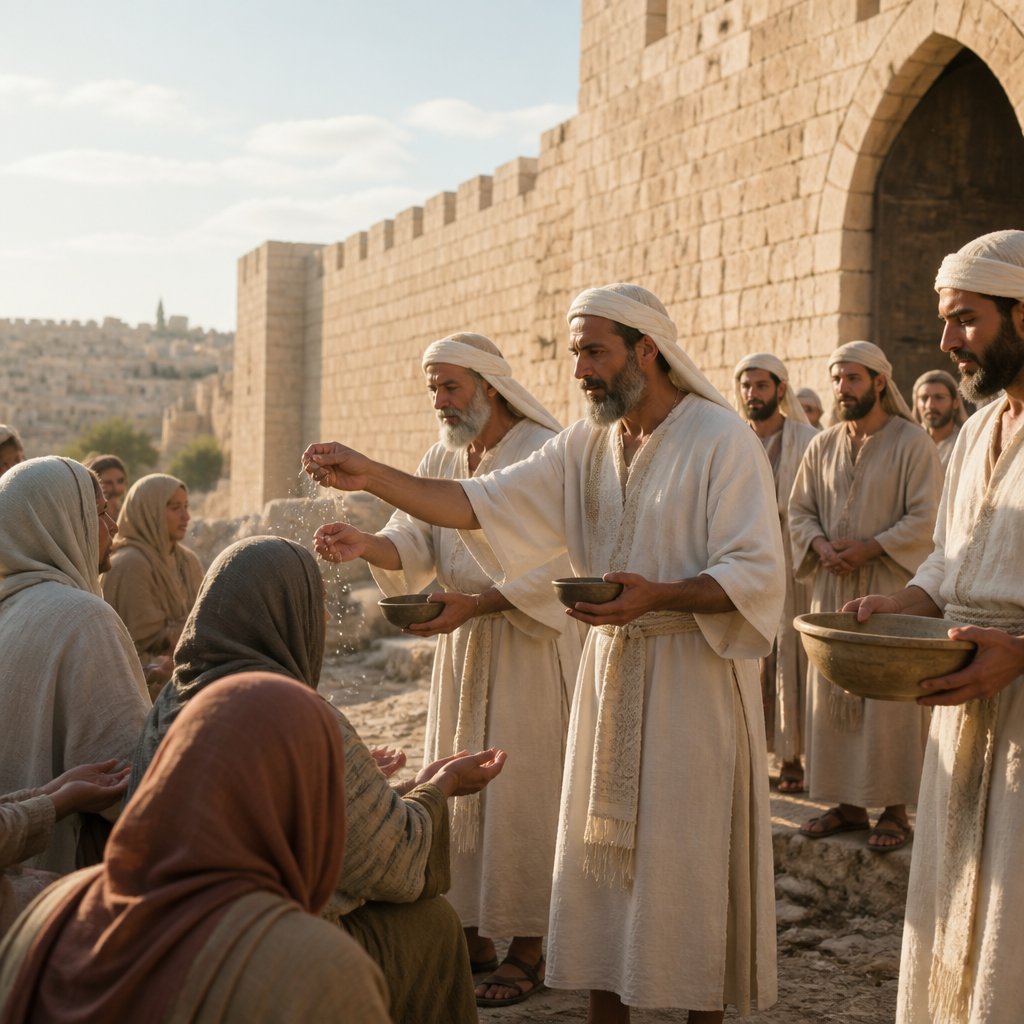
As we journey through the pages of Scripture, we often encounter moments that stand as spiritual signposts, guiding us towards deeper truths about the character of God and our roles as His people. One such moment is encapsulated in Nehemiah 12:30, where it is stated, "And the priests and the Levites purified themselves, and purified the people, and the gates, and the wall." This verse does not merely chronicle an event in history; it unveils profound spiritual principles that are applicable to our lives today.
To understand the significance of this purification, we must first appreciate the historical context. The book of Nehemiah documents the return of the exiles to Jerusalem after the Babylonian captivity. The walls of Jerusalem were in ruins, a metaphorical representation of the spiritual and social disarray of the people. Nehemiah, with his steadfast leadership, undertook the monumental task of rebuilding the city’s walls. However, this physical restoration was not enough; a spiritual renewal was crucial. Thus, purification became a necessary act symbolizing repentance, restoration, and readiness for God’s work.
The act of purification in the Old Testament context was multifaceted. The priests and Levites were responsible for the spiritual oversight of the community, and their purification indicated a deeper call to holiness and separation unto God. It is essential to note that they didn’t only cleanse themselves but also the people, the gates, and the wall. This communal aspect of purification signifies that our walk with God is not merely an individual pursuit but a communal commitment. When one member of the body of Christ is compromised or unclean, it affects the entire body.
In our lives today, the principle of purity remains vital. The priests and Levites, in their actions, remind us that true purity is a holistic endeavor encompassing our thoughts, actions, community interactions, and our environments. Before any restoration can take place, we must first address our hearts. This is echoed in letters from the Apostle Paul, where he urges believers in 2 Corinthians 7:1 to cleanse themselves from all filthiness of the flesh and spirit, perfecting holiness in the fear of God.
Purification, therefore, is the precursor to participation in God’s work. The gates and wall of Jerusalem represent the boundaries and defenses of the city, crucial for its protection and sanctity. Similarly, in our lives, those spiritual boundaries are essential. By purifying ourselves and our surroundings, we create a space where God's presence can thrive. The gates allow for entry and exit—what do we allow to enter our lives? Thus, they beckon us to reflect on what we expose ourselves to daily, be it through media, conversations, or relationships. Each choice we make either nurtures our spiritual health or tarnishes our walk with God.
Let us delve deeper into the actions of the priests and Levites. Their purification was an intentional act of setting themselves apart for a sacred purpose. In today’s world filled with distractions and temptations, we too are called to purify ourselves. This is accomplished through prayer, studying the Word, and communal worship. 1 Peter 1:16 quotes God, saying, "Be ye holy; for I am holy." As followers of Christ, we have the privilege and responsibility to reflect God’s holiness in a world that desperately needs to see it.
Moreover, Nehemiah’s verse culminates in a beautiful picture of collective effort and community. The Levites were not only concerned about their purity but actively engaged in the purification of the people around them. As we consider our lives in the light of Scripture, may we not be passive recipients of grace. Instead, may we endeavor to lead others toward purification, helping those around us to create a space where God’s kingdom can flourish.
In conclusion, Nehemiah 12:30 offers us a profound invitation to examine our lives and acknowledge the areas that may need purification. Let us not shy away from this divine task, but rather embrace it with joyful obedience. As we purify ourselves and encourage others to do the same, we partake in the glorious rebuilding of what God desires to re-establish in our hearts and communities. Let us walk in purity, for in it lies the pathway to purpose.
Get our apps


Artwork for Nehemiah 12:30

Nehemiah 12:30 - "And the priests and the Levites purified themselves, and purified the people, and the gates, and the wall."
"And the priests and the Levites purified themselves, and purified the people, and the gates, and the wall." - Nehemiah 12:30

Nehemiah 7:30 - "The men of Ramah and Geba, six hundred twenty and one."

Nehemiah 12:26 - "These were in the days of Joiakim the son of Jeshua, the son of Jozadak, and in the days of Nehemiah the governor, and of Ezra the priest, the scribe."

Nehemiah 12:33 - "And Azariah, Ezra, and Meshullam,"

Nehemiah 12:5 - "Miamin, Maadiah, Bilgah,"

Nehemiah 12:2 - "Amariah, Malluch, Hattush,"

Nehemiah 12:4 - "Iddo, Ginnetho, Abijah,"

Nehemiah 12:3 - "Shechaniah, Rehum, Meremoth,"

Nehemiah 10:12 - "Zaccur, Sherebiah, Shebaniah,"

Nehemiah 12:6 - "Shemaiah, and Joiarib, Jedaiah,"
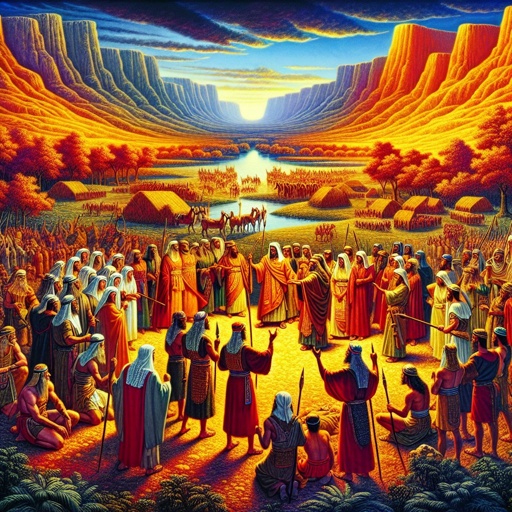
Nehemiah 10:30 - "And that we would not give our daughters unto the people of the land, nor take their daughters for our sons:"

Nehemiah 12:12 - "And in the days of Joiakim were priests, the chief of the fathers: of Seraiah, Meraiah; of Jeremiah, Hananiah;"

Nehemiah 12:16 - "Of Iddo, Zechariah; of Ginnethon, Meshullam;"

Nehemiah 12:13 - "Of Ezra, Meshullam; of Amariah, Jehohanan;"

Nehemiah 12:20 - "Of Sallai, Kallai; of Amok, Eber;"

Nehemiah 12:19 - "And of Joiarib, Mattenai; of Jedaiah, Uzzi;"

Nehemiah 12:34 - "Judah, and Benjamin, and Shemaiah, and Jeremiah,"

Nehemiah 12:15 - "Of Harim, Adna; of Meraioth, Helkai;"

Nehemiah 12:18 - "Of Bilgah, Shammua; of Shemaiah, Jehonathan;"

Nehemiah 12:14 - "Of Melicu, Jonathan; of Shebaniah, Joseph;"

Nehemiah 12:21 - "Of Hilkiah, Hashabiah; of Jedaiah, Nethaneel."

Nehemiah 12:17 - "Of Abijah, Zichri; of Miniamin, of Moadiah, Piltai;"

Nehemiah 13:30 - "Thus cleansed I them from all strangers, and appointed the wards of the priests and the Levites, every one in his business;"

Nehemiah 12:11 - "And Joiada begat Jonathan, and Jonathan begat Jaddua."
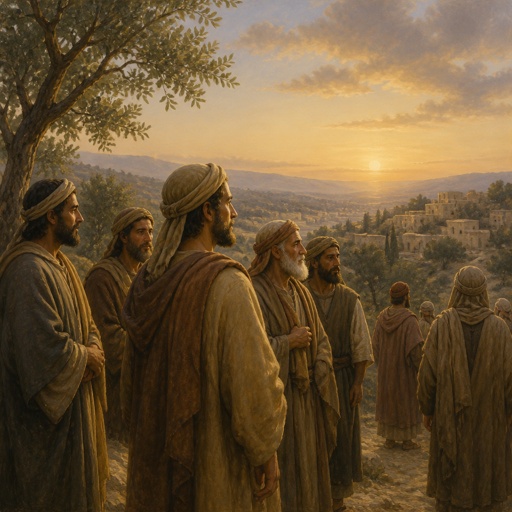
"The men of Ramah and Geba, six hundred twenty and one." - Nehemiah 7:30
Nehemiah 11:30 - "Zanoah, Adullam, and in their villages, at Lachish, and the fields thereof, at Azekah, and in the villages thereof. And they dwelt from Beer-sheba unto the valley of Hinnom."

Nehemiah 7:12 - "The children of Elam, a thousand two hundred fifty and four."

Nehemiah 12:32 - "And after them went Hoshaiah, and half of the princes of Judah,"

"Miamin, Maadiah, Bilgah," - Nehemiah 12:5