Restoring the Sabbath: A Call to Holiness
"Then I testified against them, and said unto them, Why lodge ye about the wall? if ye do so again, I will lay hands on you. From that time forth came they no more on the sabbath." - Nehemiah 13:21
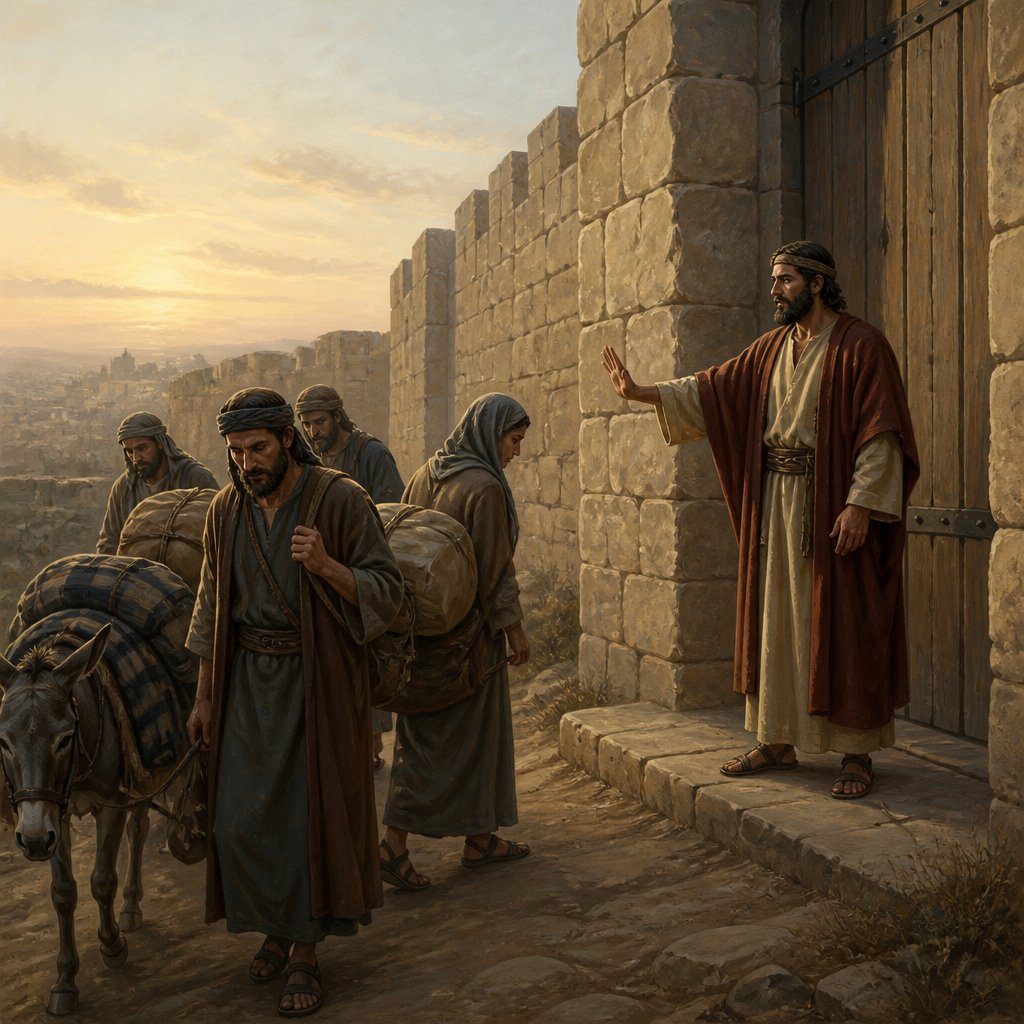
In Nehemiah 13:21, we encounter a gripping moment of intercession and authority in which Nehemiah advocates for the sanctity of the Sabbath: "Then I testified against them, and said unto them, Why lodge ye about the wall? if ye do so again, I will lay hands on you. From that time forth came they no more on the sabbath." This passage is set against the backdrop of Nehemiah's return to Jerusalem after rebuilding the wall and reinstating religious observance among the people. His determination to maintain the holiness of the Sabbath speaks volumes about the nature of covenantal life, community responsibility, and the sacredness of time.
The term "Sabbath" derives from the Hebrew word "Shabbat," which means to rest or cease. For the Israelite community, the Sabbath was not merely a day off; it represented a divine command to refrain from labor and dedicate oneself to rest, reflection, and fellowship with God. It is both a commandment from God and a gift that teaches humanity about reliance on divine provision. Yet, in Nehemiah's time, this sacred day was being profaned by activities that ran contrary to its intended purpose.
Nehemiah's testimony against those who lobbied around the wall symbolizes a confrontation of moral and ethical integrity within the community. His questioning, "Why lodge ye about the wall?" opens up a deeper inquiry about their intentions. It prompts us to reflect on our own behaviors around sacred times. Are we allowing distractions to pull us away from meeting with the Lord? Are we similar to those who skirt around the sacred by perpetuating our daily routines instead of using the time to engage in spiritual renewal? In a world filled with noise and busyness, we must recognize the temptation to override the sacred moments that have been bestowed upon us.
Nehemiah warns, "if ye do so again, I will lay hands on you." This phrase can seem harsh at first glance; however, it underscores the seriousness of his resolve to uphold God’s law. Nehemiah’s passionate plea reminds us that community leaders and believers alike hold a profound responsibility to guard the holiness of God's ordinances or face the consequences of complacency. It reflects a balance between grace and accountability. Nehemiah wasn’t merely reacting out of anger; he understood the potential effects of their actions on the broader community. Neglecting the Sabbath did more than disrupt a single day; it threatened their relationship with God and the integrity of community life.
The phrase, "From that time forth came they no more on the sabbath" reveals a shift. Nehemiah's boldness in confronting wrongdoing led to greater respect for the Sabbath. This is a powerful reminder that change often requires courageous action. We, too, can find ourselves in situations where we must stand firm in our convictions, hold one another accountable, and be willing to address practices that undermine our collective devotion to God. How can we support one another in maintaining proper observance of the Sabbath? Are there areas in our lives that need to realign with God's expectations?
In contemplating Nehemiah's actions, we are reminded of our calling as followers of Christ to rest in Him and to honor the sacred rhythms He established. The Sabbath is a time for renewal—body, spirit, and mind. Let us approach it as an opportunity for connection, worship, and reflection without distractions that hinder our communion with God.
To conclude, Nehemiah’s fierce dedication to restoring the honor of the Sabbath teaches us the importance of dedication and accountability within our faith communities. As we seek to preserve holy practices, may we gather in unity to declare, both personally and communally, the reverence due to God, making time to rest, reflect, and recharge in His presence. Let us say, as Nehemiah did, that we will not tolerate anything that desecrates the sanctity of the time God has provided for us to draw closer to Him. Amen.
Want to reflect more on Nehemiah 13:21?
Continue your spiritual journey with Bible Chat — an AI-powered tool for exploring God's Word through conversation. Ask questions, discover connections, and deepen your understanding.
Get Our Apps


Nehemiah 13:21 Artwork

Nehemiah 13:21 - "Then I testified against them, and said unto them, Why lodge ye about the wall? if ye do so again, I will lay hands on you. From that time forth came they no more on the sabbath."
"Then I testified against them, and said unto them, Why lodge ye about the wall? if ye do so again, I will lay hands on you. From that time forth came they no more on the sabbath." - Nehemiah 13:21

Habakkuk 2:1-3

Nehemiah 10:21 - "Meshezabeel, Zadok, Jaddua,"

Nehemiah 11:13

Nehemiah 12:21 - "Of Hilkiah, Hashabiah; of Jedaiah, Nethaneel."

Nehemiah 7:21 - "The children of Ater of Hezekiah, ninety and eight."

Nehemiah 10:13 - "Hodijah, Bani, Beninu."

Nehemiah 12:13 - "Of Ezra, Meshullam; of Amariah, Jehohanan;"

"Meshezabeel, Zadok, Jaddua," - Nehemiah 10:21

Nehemiah 11:21 - "But the Nethinims dwelt in Ophel: and Ziha and Gispa were over the Nethinims."

Nehemiah 7:13 - "The children of Zattu, eight hundred forty and five."
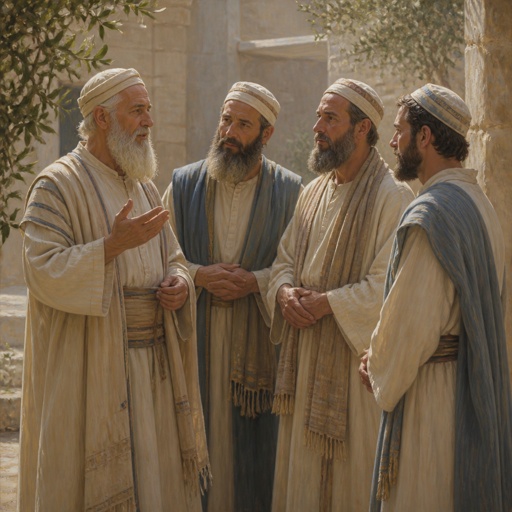
"Of Hilkiah, Hashabiah; of Jedaiah, Nethaneel." - Nehemiah 12:21

"Hodijah, Bani, Beninu." - Nehemiah 10:13
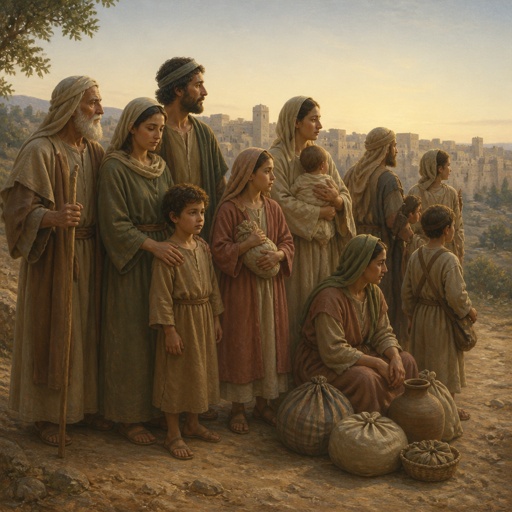
"The children of Ater of Hezekiah, ninety and eight." - Nehemiah 7:21

"Of Ezra, Meshullam; of Amariah, Jehohanan;" - Nehemiah 12:13

Nehemiah 13:12 - "Then brought all Judah the tithe of the corn and the new wine and the oil unto the treasuries."

Nehemiah 4:21 - "So we laboured in the work: and half of them held the spears from the rising of the morning till the stars appeared."

Nehemiah 13:31 - "And for the wood offering, at times appointed, and for the firstfruits. Remember me, O my God, for good."

Nehemiah 13:20 - "So the merchants and sellers of all kind of ware lodged without Jerusalem once or twice."

Nehemiah 13:4 - "¶ And before this, Eliashib the priest, having the oversight of the chamber of the house of our God, was allied unto Tobiah:"

Nehemiah 13:23 - "¶ In those days also saw I Jews that had married wives of Ashdod, of Ammon, and of Moab:"

Nehemiah 13:29 - "Remember them, O my God, because they have defiled the priesthood, and the covenant of the priesthood, and of the Levites."

Nehemiah 9:21 - "Yea, forty years didst thou sustain them in the wilderness, so that they lacked nothing; their clothes waxed not old, and their feet swelled not."

Nehemiah 13:24 - "And their children spake half in the speech of Ashdod, and could not speak in the Jews' language, but according to the language of each people."

Nehemiah 13:8 - "And it grieved me sore: therefore I cast forth all the household stuff of Tobiah out of the chamber."

Nehemiah 13:3 - "Now it came to pass, when they had heard the law, that they separated from Israel all the mixed multitude."

"The children of Zattu, eight hundred forty and five." - Nehemiah 7:13

Nehemiah 13:9 - "Then I commanded, and they cleansed the chambers: and thither brought I again the vessels of the house of God, with the meat offering and the frankincense."

Nehemiah 13:7 - "And I came to Jerusalem, and understood of the evil that Eliashib did for Tobiah, in preparing him a chamber in the courts of the house of God."