The Divine Hand and Human Action: Building with Purpose
"And a letter unto Asaph the keeper of the king's forest, that he may give me timber to make beams for the gates of the palace which appertained to the house, and for the wall of the city, and for the house that I shall enter into. And the king granted me, according to the good hand of my God upon me." - Nehemiah 2:8
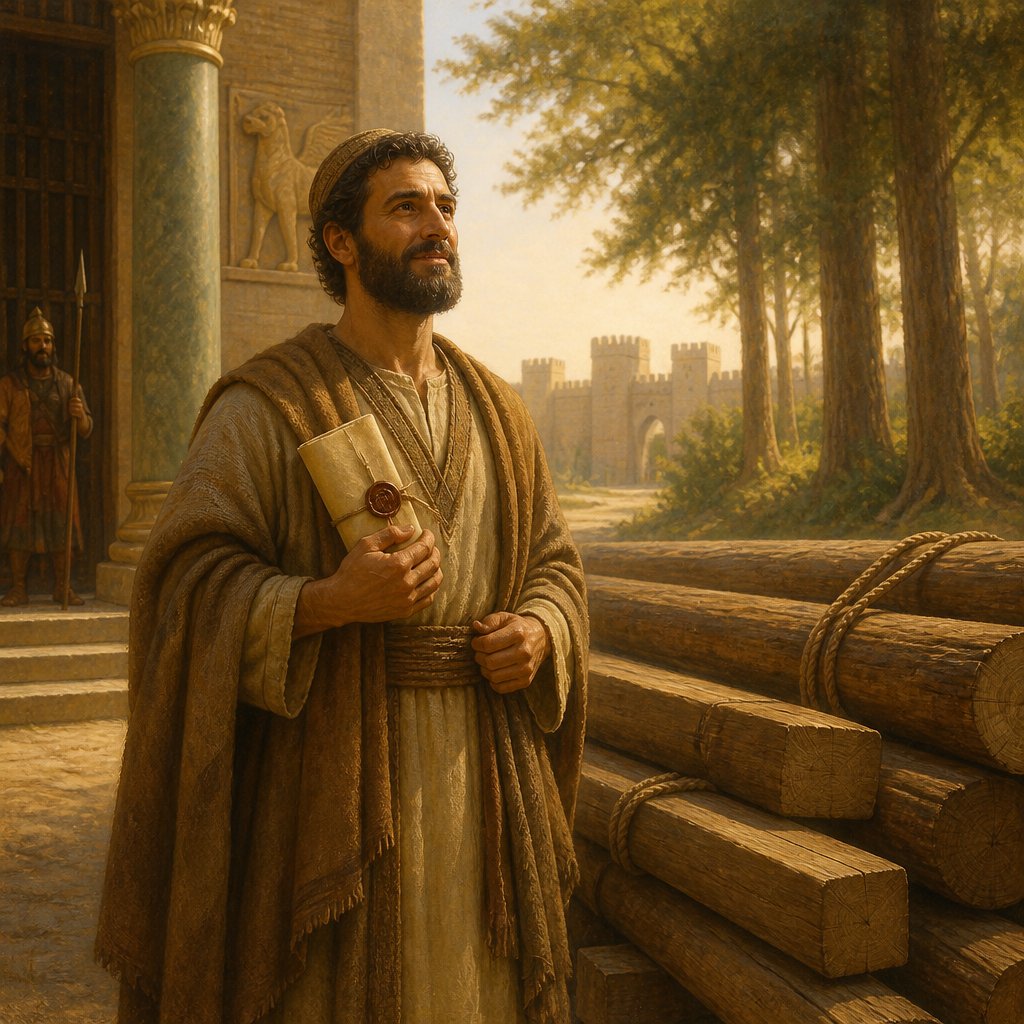
In Nehemiah 2:8, we find a powerful testament to faith in action: "And a letter unto Asaph the keeper of the king's forest, that he may give me timber to make beams for the gates of the palace which appertained to the house, and for the wall of the city, and for the house that I shall enter into. And the king granted me, according to the good hand of my God upon me." This verse encapsulates the essence of Nehemiah’s mission and the interplay of divine providence and human initiative.
As we delve into this scripture, we should reflect on Nehemiah’s leadership qualities and unwavering faith. Arriving in the presence of King Artaxerxes, he demonstrated a profound sense of purpose. Nehemiah had heard of the devastation of Jerusalem, the walls crumbled, and the people left vulnerable. Rather than standing by helplessly, he committed to prayer and fasting, asking God for guidance and favor. His request to the king was not formed out of mere ambition but was aligned with a divine purpose—a restoration of what had been lost.
Here, Nehemiah’s detailed planning cannot be overlooked. He not only requested timber but outlined the specific need for beams for the gates of the palace, the wall of the city, and his future home. This was strategic foresight! It teaches us the importance of preparation when we see a calling or a mission ahead of us. God equips those He calls, often through the necessary resources and the support of others. Nehemiah sought favor from an earthly authority, recognizing that God’s provision often comes through people.
The verse unfolds with a significant conclusion: "And the king granted me, according to the good hand of my God upon me." The acknowledgement of God’s hand indicates Nehemiah’s understanding that all success comes from divine approval. It serves as a reminder to us that our efforts should always be undergirded by prayer. John 15:5 reminds us, "Without me ye can do nothing." Nehemiah’s success was a manifestation of God’s sovereignty in conjunction with his willingness to step out in faith.
In our own lives, we often face walls that seem impossible to rebuild—be it personal struggles, broken relationships, or even our spiritual walls that have seen better days. Like Nehemiah, we are called not just to lament over our situations but to engage actively with God’s help. What are the walls in your life that need rebuilding? Can you identify the timber, the resources, or the support you need, and are you willing to ask for it?
As we meditate on this passage, let us not forget that God’s hand is indeed a working hand. It inspires us to be bold in our prayers and trusting that He directs our paths. When we are anchored in prayer, divinely inspired actions will follow. We must also recognize that sometimes God’s answer to our prayers may come through unexpected people or means, just as it did for Nehemiah from King Artaxerxes.
The story of Nehemiah does not end with just acquiring resources. His mission was rooted in a community need—the walls of Jerusalem represented protection, identity, and revival for the people of Israel. Our actions should also aim towards transformation that aligns with God’s greater purposes.
In conclusion, let us be stirred by Nehemiah’s example—I urge you to walk boldly into the initiatives God is laying on your heart. Ask for what you need, not only for personal gain but also for the restoration of those around you. Let us foster a trust in God’s good hand that has the power to turn our fervent prayers into tangible outcomes. Today, take a step, write a letter, make that phone call or share your desire with someone who can help, and watch how the good hand of God works through it all.
Want to reflect more on Nehemiah 2:8?
Continue your spiritual journey with Bible Chat — an AI-powered tool for exploring God's Word through conversation. Ask questions, discover connections, and deepen your understanding.
Get Our Apps


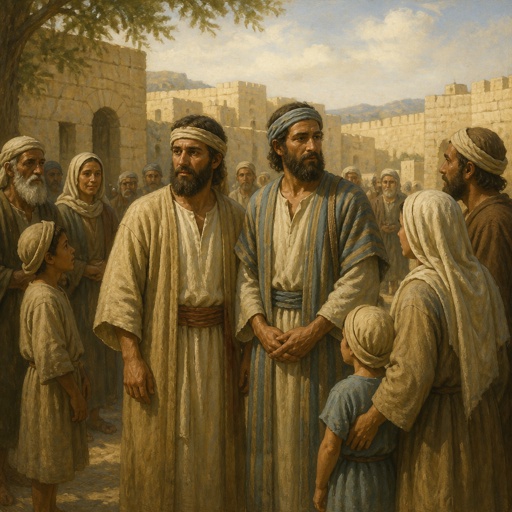
Nehemiah 2:8 Artwork

Nehemiah 2:8 - "And a letter unto Asaph the keeper of the king's forest, that he may give me timber to make beams for the gates of the palace which appertained to the house, and for the wall of the city, and for the house that I shall enter into. And the king granted me, according to the good hand of my God upon me."
"And a letter unto Asaph the keeper of the king's forest, that he may give me timber to make beams for the gates of the palace which appertained to the house, and for the wall of the city, and for the house that I shall enter into. And the king granted me, according to the good hand of my God upon me." - Nehemiah 2:8

Nehemiah 8:2 - "And Ezra the priest brought the law before the congregation both of men and women, and all that could hear with understanding, upon the first day of the seventh month."

Nehemiah 8:10

Nehemiah 8:10

Nehemiah 8:10

Nehemiah 8:8 - "So they read in the book in the law of God distinctly, and gave the sense, and caused them to understand the reading."

Nehemiah 10:8 - "Maaziah, Bilgai, Shemaiah: these were the priests."

Nehemiah 7:8 - "The children of Parosh, two thousand an hundred seventy and two."

Nehemiah 11:8 - "And after him Gabbai, Sallai, nine hundred twenty and eight."

Nehemiah 4:8 - "And conspired all of them together to come and to fight against Jerusalem, and to hinder it."

Nehemiah 12:2 - "Amariah, Malluch, Hattush,"

Nehemiah 10:2 - "Seraiah, Azariah, Jeremiah,"
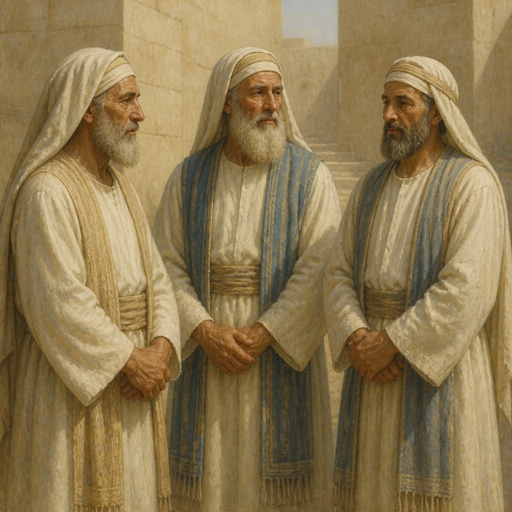
"Maaziah, Bilgai, Shemaiah: these were the priests." - Nehemiah 10:8

Nehemiah 8:9 - "¶ And Nehemiah, which is the Tirshatha, and Ezra the priest the scribe, and the Levites that taught the people, said unto all the people, This day is holy unto the LORD your God; mourn not, nor weep. For all the people wept, when they heard the words of the law."

Nehemiah 13:8 - "And it grieved me sore: therefore I cast forth all the household stuff of Tobiah out of the chamber."

Nehemiah 12:8 - "Moreover the Levites: Jeshua, Binnui, Kadmiel, Sherebiah, Judah, and Mattaniah, which was over the thanksgiving, he and his brethren."

Nehemiah 8:11 - "So the Levites stilled all the people, saying, Hold your peace, for the day is holy; neither be ye grieved."

Nehemiah 2:11 - "So I came to Jerusalem, and was there three days."

Nehemiah 8:14 - "And they found written in the law which the LORD had commanded by Moses, that the children of Israel should dwell in booths in the feast of the seventh month:"
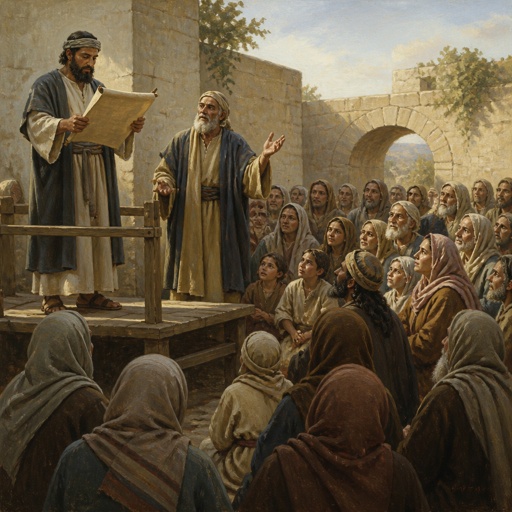
"So they read in the book in the law of God distinctly, and gave the sense, and caused them to understand the reading." - Nehemiah 8:8

Nehemiah 6:8 - "Then I sent unto him, saying, There are no such things done as thou sayest, but thou feignest them out of thine own heart."
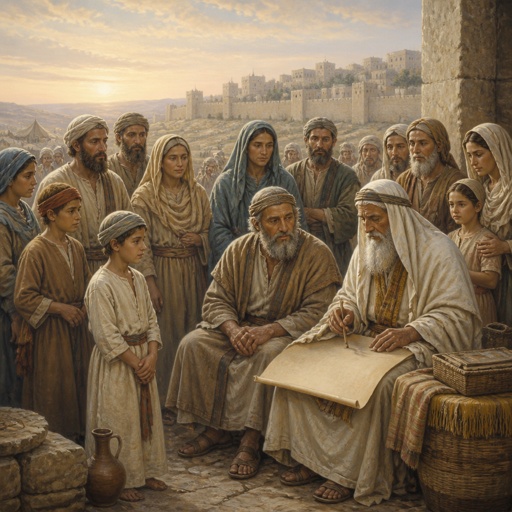
"The children of Parosh, two thousand an hundred seventy and two." - Nehemiah 7:8
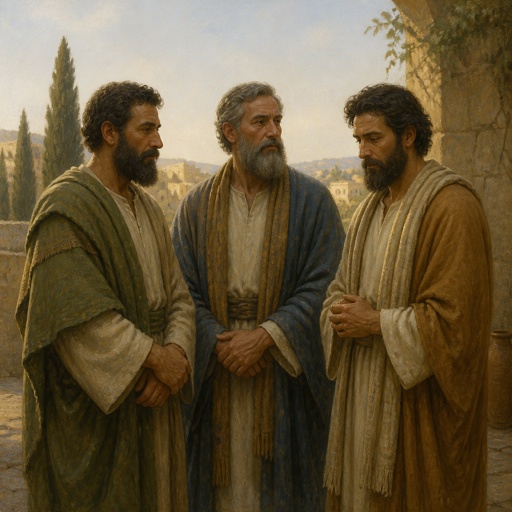
"Seraiah, Azariah, Jeremiah," - Nehemiah 10:2
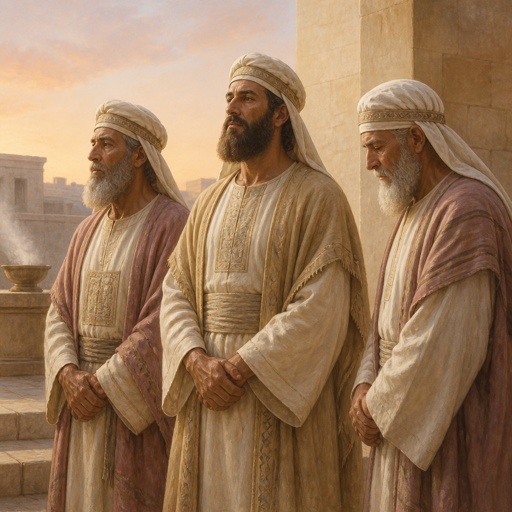
"Amariah, Malluch, Hattush," - Nehemiah 12:2

Nehemiah 8:5 - "And Ezra opened the book in the sight of all the people; (for he was above all the people;) and when he opened it, all the people stood up:"

Nehemiah 8:13 - "¶ And on the second day were gathered together the chief of the fathers of all the people, the priests, and the Levites, unto Ezra the scribe, even to understand the words of the law."
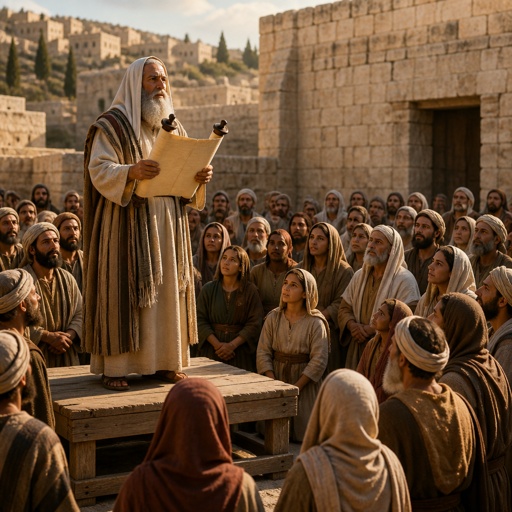
"And Ezra the priest brought the law before the congregation both of men and women, and all that could hear with understanding, upon the first day of the seventh month." - Nehemiah 8:2
"And after him Gabbai, Sallai, nine hundred twenty and eight." - Nehemiah 11:8

Nehemiah 11:2 - "And the people blessed all the men, that willingly offered themselves to dwell at Jerusalem."