Restoration Through Obedience: Lessons from Nehemiah 7:51
“The children of Gazzam, the children of Uzza, the children of Phaseah,” — Nehemiah 7:51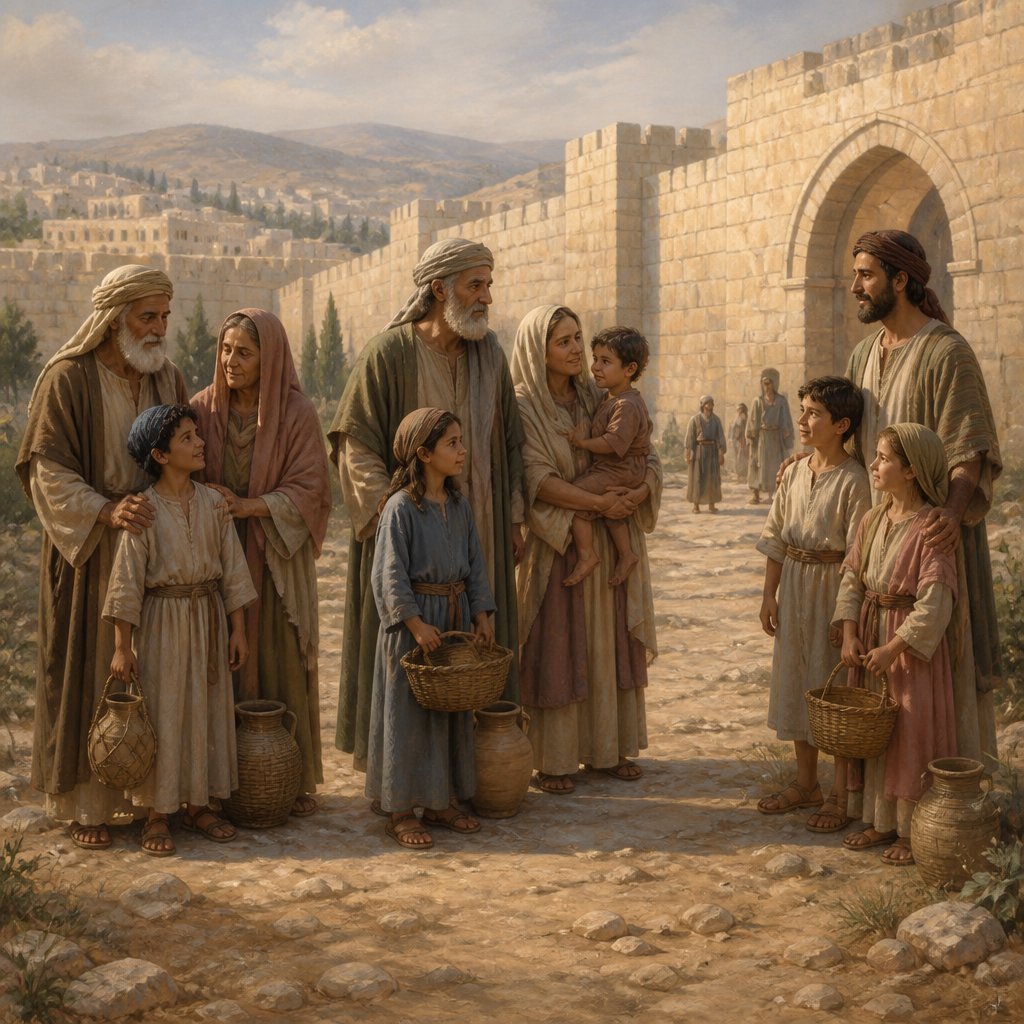
The sprawling book of Nehemiah serves as a poignant narrative of restoration, resilience, and obedience. Sandwiched within the historical accounts, Nehemiah 7:51 emphasizes not just individual identities but collective faithfulness to God. The verse reads, "The children of Gazzam, the children of Uzza, the children of Phaseah," and while it might appear as a mere listing of names, it encapsulates profound truths about the importance of community in God’s plan.
To grasp the weight of this verse, we must first look at the context of Nehemiah’s mission. Following years of exile, Nehemiah is tasked with rebuilding the walls of Jerusalem and restoring the city’s spiritual and social fabric. This undertaking is not solely about physical structure; it is about re-establishing a people’s identity as God’s chosen ones, living in covenant relationship with Him. Each name in Nehemiah 7:51 represents not just individuals or families, but also the collective effort of a community coming together after devastation to reclaim their nation, their identity, and their God-given purpose.
In the world today, we often face our own broken walls—personal struggles, family issues, societal chaos. The restoration of Jerusalem stands as a divine blueprint for us; it teaches us the power of community in rebuilding what is broken. The names mentioned—Gazzam, Uzza, Phaseah—invite us to reflect on our own communities and households. Just like the children of these families, we are part of a greater story that is interwoven. It’s a reminder that our actions, decisions, and faith not only affect us individually but also have a ripple effect on those around us.
Moreover, Nehemiah’s narrative reveals the importance of obedience. When the Israelites returned, they were not simply told to inhabit the land; they were called to obey God’s laws, to revive practices of worship and fellowship, and to live out their identity as His people. Their presence in Jerusalem was not just geographic; it was a spiritual commitment to obey God and reflect His glory in their lives. In our lives, obedience often comes disguised in the form of consistency and faithfulness. It may mean attending church, engaging in a small group, or serving the community. It can even manifest as being the light in our workplaces or in our families, standing firm in our faith amidst challenges.
Obedience is challenging in today’s fast-paced, self-centered world. It requires us to examine our priorities and align them with God's will. Each name in this verse represents a story of obedience—their willingness to leave the comforts of exile or distant lands to return to the heart of God’s promise. Similarly, we must be willing to step out of our comfort zones, to return to the heart of our faith, and to help in restoring not just our lives but the lives of those around us.
Furthermore, these names emphasize unrecognized contributions. In societies that often seek fame and recognition, the list of names reminds us that everyone has a part in God’s grand design, whether visible or unseen. God knows our names, and in His kingdom, each contribution counts. Think about the ‘unknowns’ in our communities—the faithful prayer warriors, the mentors, the unsung heroes who serve without recognition. Their role, like those named in Nehemiah 7:51, is pivotal in the revival of faith and community spirit.
As we meditate on Nehemiah 7:51, let us embrace our call to stand together, uphold one another, and restore what has been broken, driven by our commitment to God and each other. We are all part of this sacred tapestry, with each thread significant in weaving the larger picture of God's kingdom on earth. Embrace the call to obedience, dive into community, and together, let us rebuild.
Get our apps


Artwork for Nehemiah 7:51

Nehemiah 7:51 - "The children of Gazzam, the children of Uzza, the children of Phaseah,"
"The children of Gazzam, the children of Uzza, the children of Phaseah," - Nehemiah 7:51

Nehemiah 7:7 - "Who came with Zerubbabel, Jeshua, Nehemiah, Azariah, Raamiah, Nahamani, Mordecai, Bilshan, Mispereth, Bigvai, Nehum, Baanah. The number, I say, of the men of the people of Israel was this;"

Nehemiah 10:7 - "Meshullam, Abijah, Mijamin,"
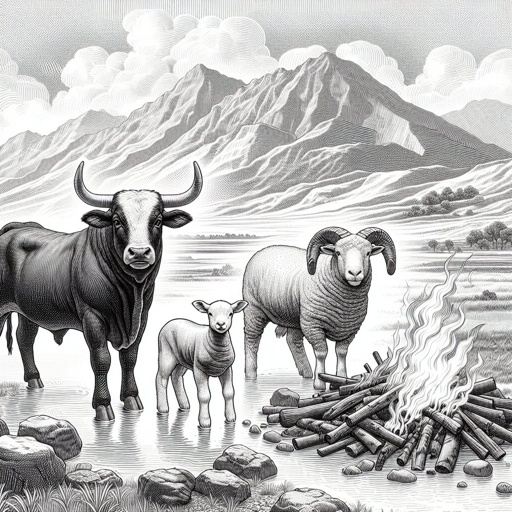
Numbers 7:51 - "One young bullock, one ram, one lamb of the first year, for a burnt offering:"

Nehemiah 7:42 - "The children of Harim, a thousand and seventeen."

Nehemiah 7:24 - "The children of Hariph, an hundred and twelve."

Nehemiah 7:56 - "The children of Neziah, the children of Hatipha."

Nehemiah 7:25 - "The children of Gibeon, ninety and five."

Nehemiah 7:40 - "The children of Immer, a thousand fifty and two."

Nehemiah 7:31 - "The men of Michmas, an hundred and twenty and two."

John 7:51 - "Doth our law judge any man, before it hear him, and know what he doeth?"

Nehemiah 7:33 - "The men of the other Nebo, fifty and two."

Nehemiah 7:28 - "The men of Beth-azmaveth, forty and two."

Nehemiah 7:21 - "The children of Ater of Hezekiah, ninety and eight."

Nehemiah 7:14 - "The children of Zaccai, seven hundred and threescore."

Nehemiah 7:27 - "The men of Anathoth, an hundred twenty and eight."

Nehemiah 7:35 - "The children of Harim, three hundred and twenty."

Nehemiah 7:16 - "The children of Bebai, six hundred twenty and eight."

Nehemiah 7:58 - "The children of Jaala, the children of Darkon, the children of Giddel,"

Nehemiah 7:9 - "The children of Shephatiah, three hundred seventy and two."

Nehemiah 7:48 - "The children of Lebana, the children of Hagaba, the children of Shalmai,"

Nehemiah 7:15 - "The children of Binnui, six hundred forty and eight."

Nehemiah 7:19 - "The children of Bigvai, two thousand threescore and seven."

Nehemiah 7:44 - "¶ The singers: the children of Asaph, an hundred forty and eight."

Nehemiah 7:13 - "The children of Zattu, eight hundred forty and five."

Nehemiah 7:18 - "The children of Adonikam, six hundred threescore and seven."

Nehemiah 7:49 - "The children of Hanan, the children of Giddel, the children of Gahar,"

Nehemiah 7:55 - "The children of Barkos, the children of Sisera, the children of Tamah,"

Nehemiah 7:20 - "The children of Adin, six hundred fifty and five."