The Burden of Leadership: A Call for Compassionate Care
"Have I conceived all this people? have I begotten them, that thou shouldest say unto me, Carry them in thy bosom, as a nursing father beareth the sucking child, unto the land which thou swarest unto their fathers?" - Numbers 11:12
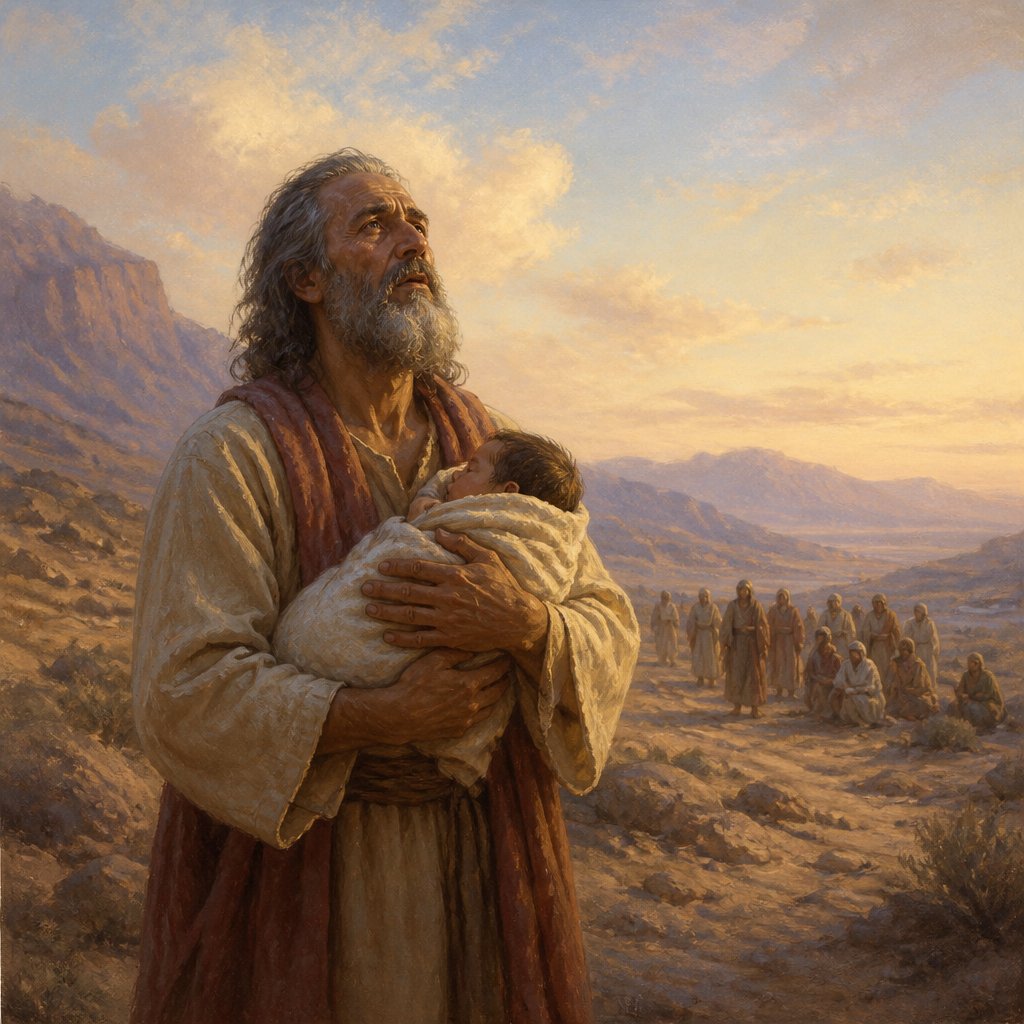
In Numbers 11:12, Moses reflects a profound burden of leadership when he questions, "Have I conceived all this people? have I begotten them, that thou shouldest say unto me, Carry them in thy bosom, as a nursing father beareth the sucking child, unto the land which thou swarest unto their fathers?" This verse encapsulates the weighty responsibility that leaders often feel—the overwhelming sense of obligation not only to lead but also to nurture those entrusted to them.
Moses, having led the Israelites out of the bondage of Egypt, finds himself in a moment of deep anguish and confusion. The people he has shepherded through wilderness trials are now crying out in frustration, longing for the comforts of Egypt. Moses, feeling their pain yet overwhelmed by their demands, voices a raw, heartfelt question to the Lord that resonates with many who have felt the drag of responsibility: why must I bear this load alone?
This moment is a poignant reminder of the duality of leadership—while it is a position of influence and authority, it often brings profound loneliness and a longing for understanding from those you serve. As a nursing father bears his suckling child, so Moses feels the enormity of the task set before him. The imagery of a nursing father evokes feelings of tenderness, care, and selflessness. However, it also highlights the sense of helplessness that can accompany such roles.
Moses' question, 'Have I begotten them?' speaks to a leader's internal struggle with ownership and responsibility. It is easy to forget that the people we lead are not merely projects to be completed or statistics to be managed; they are individuals with hopes, dreams, and fears. In his moment of despair, Moses challenges God regarding his role and the expectations placed upon him. His pleas remind us that real leadership is not about exercising authority but about understanding, nurturing, and guiding.
In a world that often demands quick fixes and transactional relationships, Moses’ plea challenges us to embrace a more compassionate and empathetic approach in our interactions. It calls to mind the words of Jesus in Matthew 11:28-30, where He invites the weary to come to Him for rest. For those of us who may find ourselves in positions of leadership—be it in the workplace, at home, or within the church—it is essential to find our strength not only in our ability to guide but also in our willingness to carry the burdens of others.
Moreover, Moses' moment of vulnerability highlights the importance of seeking support and help in leadership. Later, God responds to Moses’s plea by providing him with elders to share the weight of leadership, encouraging us to collaborate and to lean on each other’s strengths. Leadership is not meant to be a solo endeavor. We are called into community, where we share burdens, joys, and responsibilities. It reminds us to cultivate relationships that are open to vulnerability, allowing us to support one another.
As we reflect on this passage, let us consider our role—whether as a parent, a mentor, a church leader, or a friend. Are we embodying the nurturing spirit of a caring father? In what ways are we carrying others in our 'bosoms', comforting and strengthening them as they navigate their own wilderness journeys? Let this verse stir our hearts to act with compassion, reminding us always that to lead is to serve and to care deeply.
Finally, let us not overlook the promise that God gave to the Israelites through Moses—a land sworn to their fathers. Our leadership has a divine goal, a fruitful end that aligns not just with our plans but with God's perfect purpose. In moments of doubt and discouragement, may we draw strength from God, the ultimate caregiver, who knows our struggles and empowers us to continue carrying the burdens of those entrusted to us.
Want to reflect more on Numbers 11:12?
Continue your spiritual journey with Bible Chat — an AI-powered tool for exploring God's Word through conversation. Ask questions, discover connections, and deepen your understanding.
Get Our Apps


Numbers 11:12 Artwork

Numbers 11:12 - "Have I conceived all this people? have I begotten them, that thou shouldest say unto me, Carry them in thy bosom, as a nursing father beareth the sucking child, unto the land which thou swarest unto their fathers?"
"Have I conceived all this people? have I begotten them, that thou shouldest say unto me, Carry them in thy bosom, as a nursing father beareth the sucking child, unto the land which thou swarest unto their fathers?" - Numbers 11:12

Numbers 11. 4 to 6

Numbers 12:11 - "And Aaron said unto Moses, Alas, my lord, I beseech thee, lay not the sin upon us, wherein we have done foolishly, and wherein we have sinned."

John 1:1-2

John 1:1-2

John 1:1-2

John 1:1-2

John 1:1-2

Numbers 11

Numbers 11:17

Numbers 12 15

Numbers 11 quail

Numbers 11:15

Numbers 11:5

Numbers 11:16-26

In Numbers 12, Miriam and Aaron

Numbers 1:12 - "Of Dan; Ahiezer the son of Ammishaddai."

Numbers 1:11 - "Of Benjamin; Abidan the son of Gideoni."

Numbers 26:11 - "Notwithstanding the children of Korah died not."

Numbers 13:12 - "Of the tribe of Dan, Ammiel the son of Gemalli."

Numbers 5:11 - "¶ And the LORD spake unto Moses, saying,"

Numbers 3:11 - "And the LORD spake unto Moses, saying,"

James 1:2-4

James 1: 2-4

Isaiah 66:1-2

Numbers 11 dead quail Moses

Numbers 12:12 - "Let her not be as one dead, of whom the flesh is half consumed when he cometh out of his mother's womb."

Matthew 1:2

Numbers 21:12 - "¶ From thence they removed, and pitched in the valley of Zared."