The Divine Provision in Our Desperation
“Whence should I have flesh to give unto all this people? for they weep unto me, saying, Give us flesh, that we may eat.” — Numbers 11:13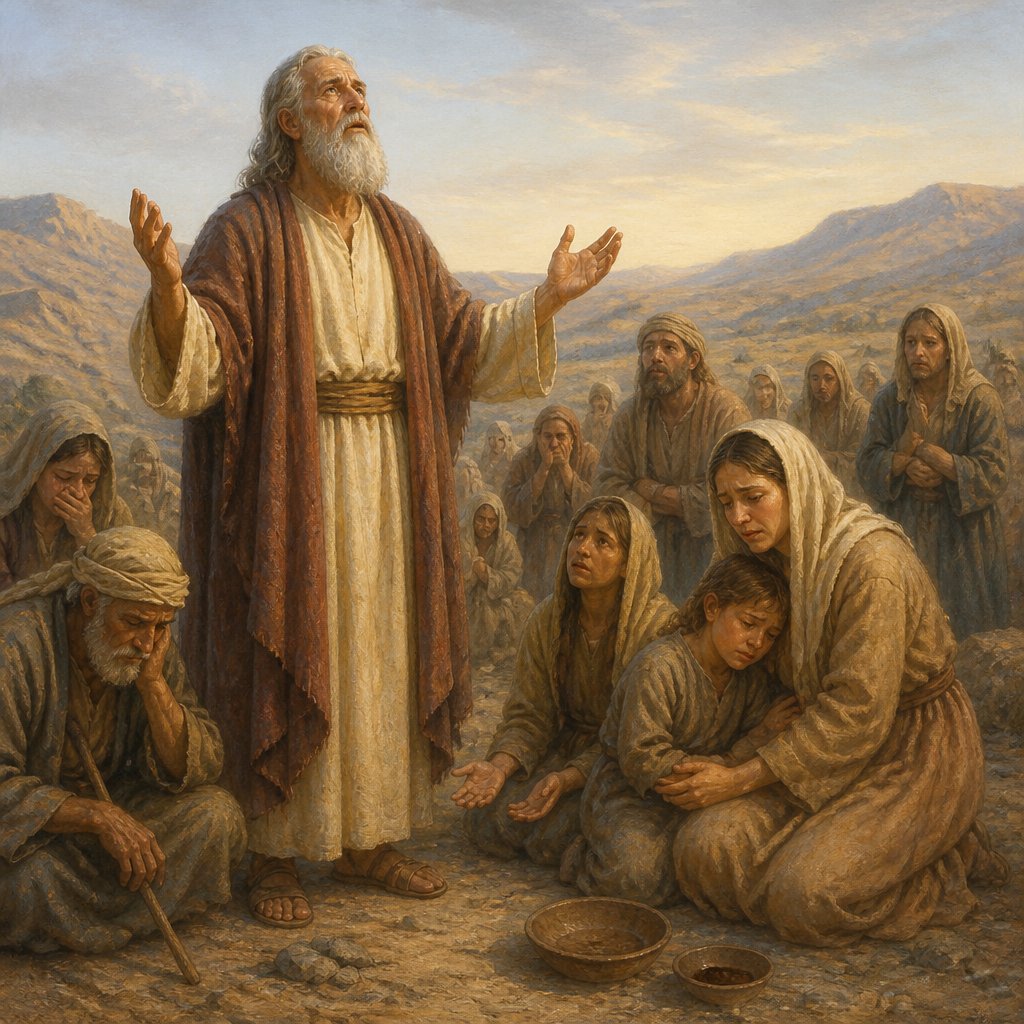
In the book of Numbers 11:13, we encounter a poignant moment in the life of Moses and the children of Israel. The verse reads, "Whence should I have flesh to give unto all this people? for they weep unto me, saying, Give us flesh, that we may eat." This scripture unveils the heart-wrenching reality of Moses as he faces the overwhelming burden of leading a restless and dissatisfied people, who, having tasted the freedom of God's deliverance, find themselves longing for the flesh pots of Egypt. This scene presents us with profound reflections on human desire, the challenges of leadership, and the sufficiency of God's provision.
Moses stands at a crossroad of desperation, confronted by the cries of the people he cares for deeply. They are not just expressing a hunger for physical sustenance; they are subtly lamenting the comforts of their past enslavement. In their memories, they recall the plentiful food they had in Egypt: the meat, the variety, and the ease of obtaining it. Their current circumstances make them forget the oppression they endured. Their grumbling reflects a common human condition—dissatisfaction with what God has provided and longing for the perceived security of the past.
Moses’ response exemplifies the weight of leadership, often removed from the silver linings that accompany divine guidance. He turns to God in desperation, asking, "Whence should I have flesh?" In doing so, Moses reveals his limitations. He recognizes the enormity of the needs before him and questions his capacity to meet them. It is a moment of vulnerability, an earnest plea that echoes in our own lives when we find ourselves in impossible situations—whether financial struggles, relational strife, or spiritual droughts.
This moment in scripture isn’t just about the physical needs of the Israelites, but about the deeper spiritual crisis confronting Moses as a leader. He grapples with God’s calling amidst the demands of the people. In our leadership roles—whether in families, churches, workplaces, or communities—there are times when we feel overwhelmed, out of options, and utterly helpless. How do we respond when the demands of those we lead spiral beyond our control?
As we delve deeper, it’s critical to reflect on what drives the cries of the people. They are weeping for flesh, yes, but beneath that is a deeper need for connection, for acknowledgment of their struggles, and for guidance towards the promised land. They have physically left Egypt, but emotionally and spiritually, they are still entangled in their past. This sentiment resonates with many of us today. We seek fulfillment beyond the spiritual nourishment God provides, often reverting to worldly comforts that ultimately leave us wanting.
Moses’ question leads us toward a direct challenge from God: Everything we need is available through Him. It’s vital to realize that God's answers may not come wrapped in our expected forms or timelines. When we turn to God with our inadequacies, we often feel led into His divine provision that transcends our immediate requests. Though Moses doubts—"Where will I get the flesh?"—God’s response follows, assuring him of the provision of meat. In the back-and-forth between the longing of the people and Moses’ hesitancies is a crucial element of God’s nature. He knows our needs and appears to delight in providing abundantly, even when we may not perceive it.
In our battles against dissatisfaction, let us remember to anchor our trust in the sufficiency of our God. Moses, despite his doubts, presses through to seek the Lord, and we too should cast our burdens—both as leaders and seekers—upon Him. God’s gracious promises often come when we least expect it and in the most miraculous ways.
As we reflect on our lessons from Numbers 11:13, may we learn to seek God first, renew our trust in His provision, and lead with grace and humility, knowing that where there seems to be lack, God can still create abundance. His ways are higher than ours, and His resources for meeting needs are inexhaustible, even in those moments when we feel most inadequate.
Get our apps


Artwork for Numbers 11:13

Numbers 11:13 - "Whence should I have flesh to give unto all this people? for they weep unto me, saying, Give us flesh, that we may eat."
"Whence should I have flesh to give unto all this people? for they weep unto me, saying, Give us flesh, that we may eat." - Numbers 11:13

Numbers 13:11 - "Of the tribe of Joseph, namely, of the tribe of Manasseh, Gaddi the son of Susi."
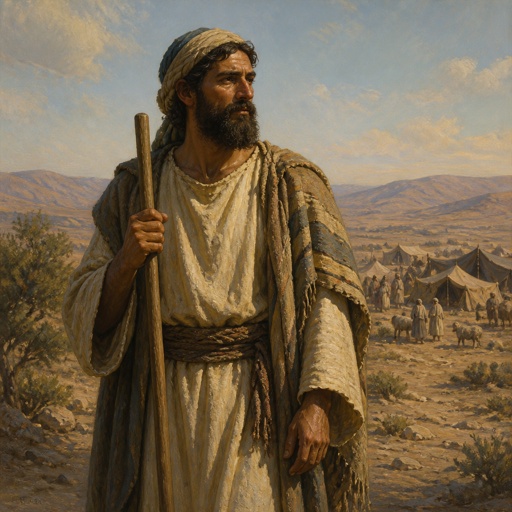
"Of the tribe of Joseph, namely, of the tribe of Manasseh, Gaddi the son of Susi." - Numbers 13:11

Numbers 11. 4 to 6
Psalm 1:1-3
Pain 1:1-3

Numbers 13:13 - "Of the tribe of Asher, Sethur the son of Michael."

Numbers 11

Numbers 11:17

Numbers 11 quail

Numbers 11:15

Numbers 11:5

Numbers 11:16-26

Numbers 23:1-13

"Of the tribe of Asher, Sethur the son of Michael." - Numbers 13:13

Numbers 1:13 - "Of Asher; Pagiel the son of Ocran."

Numbers 13:10 - "Of the tribe of Zebulun, Gaddiel the son of Sodi."

Numbers 13:6 - "Of the tribe of Judah, Caleb the son of Jephunneh."

Numbers 13:8 - "Of the tribe of Ephraim, Oshea the son of Nun."

Numbers 33:13 - "And they departed from Dophkah, and encamped in Alush."

Numbers 1:11 - "Of Benjamin; Abidan the son of Gideoni."

Numbers 26:11 - "Notwithstanding the children of Korah died not."

Numbers 13:9 - "Of the tribe of Benjamin, Palti the son of Raphu."

Numbers 13:5 - "Of the tribe of Simeon, Shaphat the son of Hori."

Numbers 13:1 - "And the LORD spake unto Moses, saying,"

Numbers 13:15 - "Of the tribe of Gad, Geuel the son of Machi."

Numbers 13:12 - "Of the tribe of Dan, Ammiel the son of Gemalli."

Numbers 13:7 - "Of the tribe of Issachar, Igal the son of Joseph."

Numbers 13:14 - "Of the tribe of Naphtali, Nahbi the son of Vophsi."