The Power of Prayer in Times of Crisis
“And the people cried unto Moses; and when Moses prayed unto the LORD, the fire was quenched.” — Numbers 11:2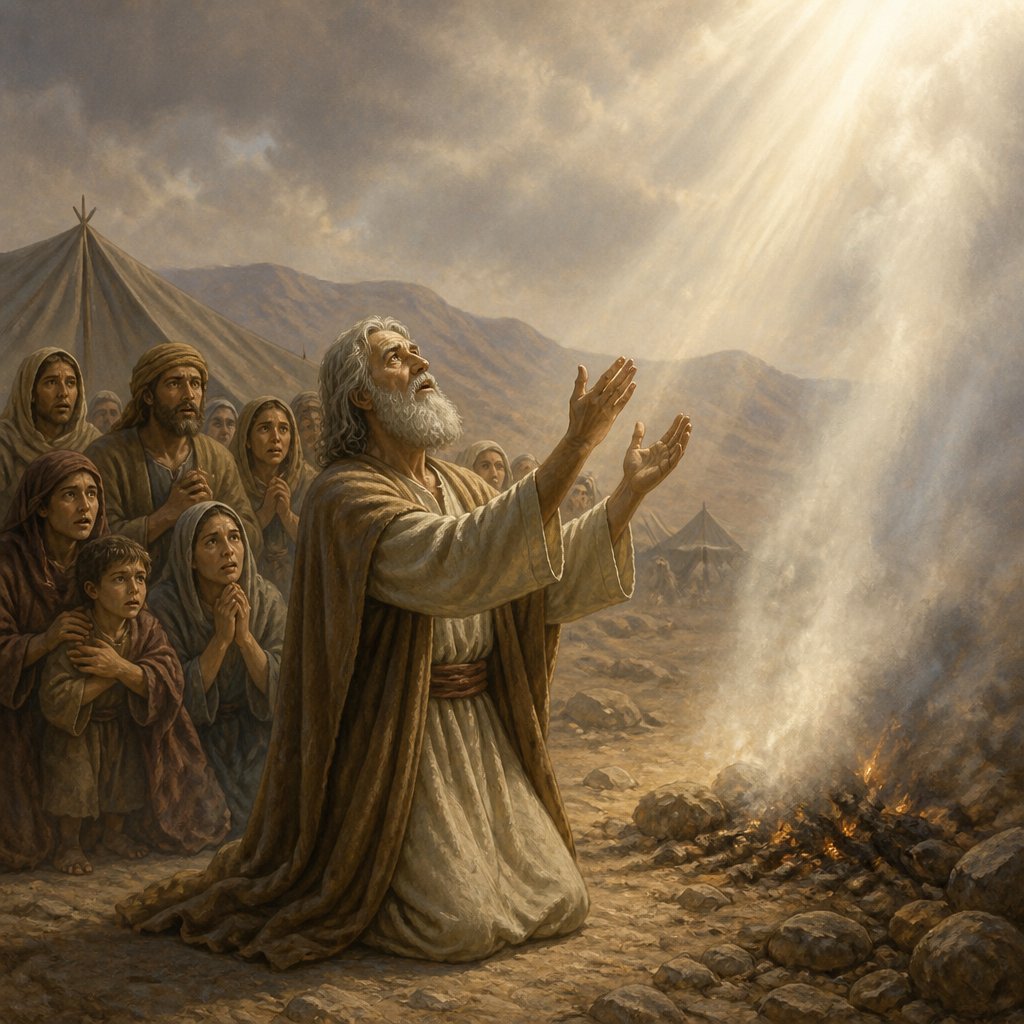
In Numbers 11:2, we encounter a scene that resonates deeply with the human experience: "And the people cried unto Moses; and when Moses prayed unto the LORD, the fire was quenched." This moment in Israel's wilderness journey reveals profound truths about leadership, community, and the transformative power of prayer.
The context preceding this verse is crucial. The Israelites, having been freed from slavery in Egypt, found themselves wandering in an inhospitable desert. Their journey, laden with uncertainty and challenges, quickly became a breeding ground for discontent and complaints. The text indicates that the people had become increasingly dissatisfied with their circumstances, yearning for the familiar comforts of Egypt. Their frustrations manifested in complaints against Moses, the leader who had boldly led them out of bondage but now found himself in the challenging position of guiding a restless, often querulous community.
As the discontent grew, so did the metaphorical ‘fire’ that ignited their grievances. The people cried out to Moses, embodying a natural human instinct to seek assistance in times of pain or distress. It illustrates the depth of communal effects and the weighty responsibilities placed upon leaders in times of crisis.
Moses' response is notable. Instead of reacting with anger or frustration at the people's complaints, he turns immediately to the Lord in prayer. His action highlights two important truths for us: first, the importance of seeking divine intervention in our trials, and second, the role of responsible leadership. Moses models for us that in the midst of turmoil, prayer should be our first response.
In today's world, crying out to God may look different, but it is as relevant as ever. Our 'fires' may come in various forms—personal crises, communal strife, or even feelings of isolation and despair. We often feel overwhelmed, just as the children of Israel did, battling fears, anxieties, and doubts. In these moments, we must remember that like Moses, we can bring our cries to God. He is always ready to listen and to bring peace to our troubled hearts.
The quenching of the fire represents more than a mere physical alleviation of suffering; it symbolizes God's unwavering presence and provision. When Moses prayed, God responded with immediate action, illustrating a crucial biblical truth: prayer precedes divine intervention. This relationship between prayer and God’s response is foundational in Scripture. James 5:16 tells us, "The effectual fervent prayer of a righteous man availeth much." Moses, in his earnest intercessory prayer, not only calms the chaos around him but also reminds us of God's sovereignty over our turbulent situations.
Moreover, this passage invites us to reflect on our community's dynamics. Are we not, at times, the people crying out for relief? And do we not need leaders—both in spiritual and earthly realms—who will pray for us, advocate for us in our struggles, and guide us back to God's provision? Prayer fosters a bond that unites in faith, courage, and action. As believers, we are called also to intercede for one another, to bear one another’s burdens, and to lift each other’s cries to God, much like Moses did for the Israelites.
In conclusion, Numbers 11:2 serves as a powerful reminder of our need for prayer, especially in times of distress. We may not always have physical fires burning surrounding us, but we undoubtedly face challenges that ignite our fears. In such moments, let us respond like Moses, seeking the Lord with fervent, faith-filled prayer and trusting that He will quench the flames of worry and despair. As we encourage one another within our communities, we can lean into the truth that through prayer, God is ready to intervene, bringing peace and resolution. Let us, then, be both seekers and shepherds, leading each other to the One who can extinguish every fire.
Get our apps


Artwork for Numbers 11:2

Numbers 11:2 - "And the people cried unto Moses; and when Moses prayed unto the LORD, the fire was quenched."
"And the people cried unto Moses; and when Moses prayed unto the LORD, the fire was quenched." - Numbers 11:2

Numbers 2:11 - "And his host, and those that were numbered thereof, were forty and six thousand and five hundred."

Numbers 11. 4 to 6

Numbers 11

Numbers 11:17

Numbers 11 quail

Numbers 11:15

Numbers 11:5

Numbers 11:16-26
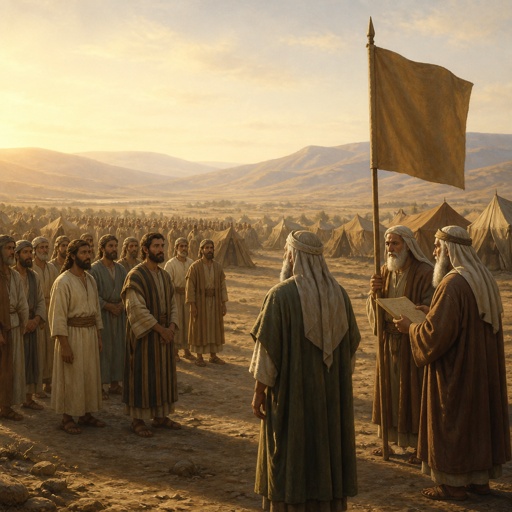
"And his host, and those that were numbered thereof, were forty and six thousand and five hundred." - Numbers 2:11

Numbers 1:11 - "Of Benjamin; Abidan the son of Gideoni."

Numbers 26:11 - "Notwithstanding the children of Korah died not."

Numbers 5:11 - "¶ And the LORD spake unto Moses, saying,"

Numbers 3:11 - "And the LORD spake unto Moses, saying,"

Numbers 11 dead quail Moses

Numbers 11:7 - "And the manna was as coriander seed, and the colour thereof as the colour of bdellium."

Numbers 33:11 - "And they removed from the Red sea, and encamped in the wilderness of Sin."

Numbers 11:30 - "And Moses gat him into the camp, he and the elders of Israel."

Numbers 13:11 - "Of the tribe of Joseph, namely, of the tribe of Manasseh, Gaddi the son of Susi."

Numbers 31:11 - "And they took all the spoil, and all the prey, both of men and of beasts."

Numbers 11:9 - "And when the dew fell upon the camp in the night, the manna fell upon it."

Numbers 15:11 - "Thus shall it be done for one bullock, or for one ram, or for a lamb, or a kid."

Numbers 17:11 - "And Moses did so: as the LORD commanded him, so did he."

Numbers 11:35 - "And the people journeyed from Kibroth-hattaavah unto Hazeroth; and abode at Hazeroth."

"Notwithstanding the children of Korah died not." - Numbers 26:11
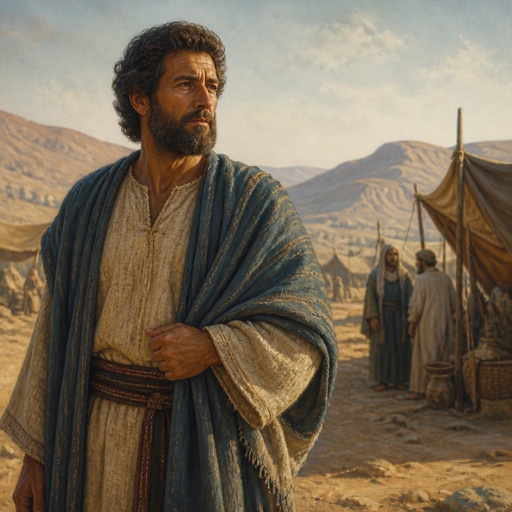
"Of Benjamin; Abidan the son of Gideoni." - Numbers 1:11

Numbers 19:11 - "¶ He that toucheth the dead body of any man shall be unclean seven days."

Numbers 11:34 - "And he called the name of that place Kibroth-hattaavah: because there they buried the people that lusted."

Numbers 11:14 - "I am not able to bear all this people alone, because it is too heavy for me."