The Sweet Dew of Divine Provision
“And when the dew fell upon the camp in the night, the manna fell upon it.” — Numbers 11:9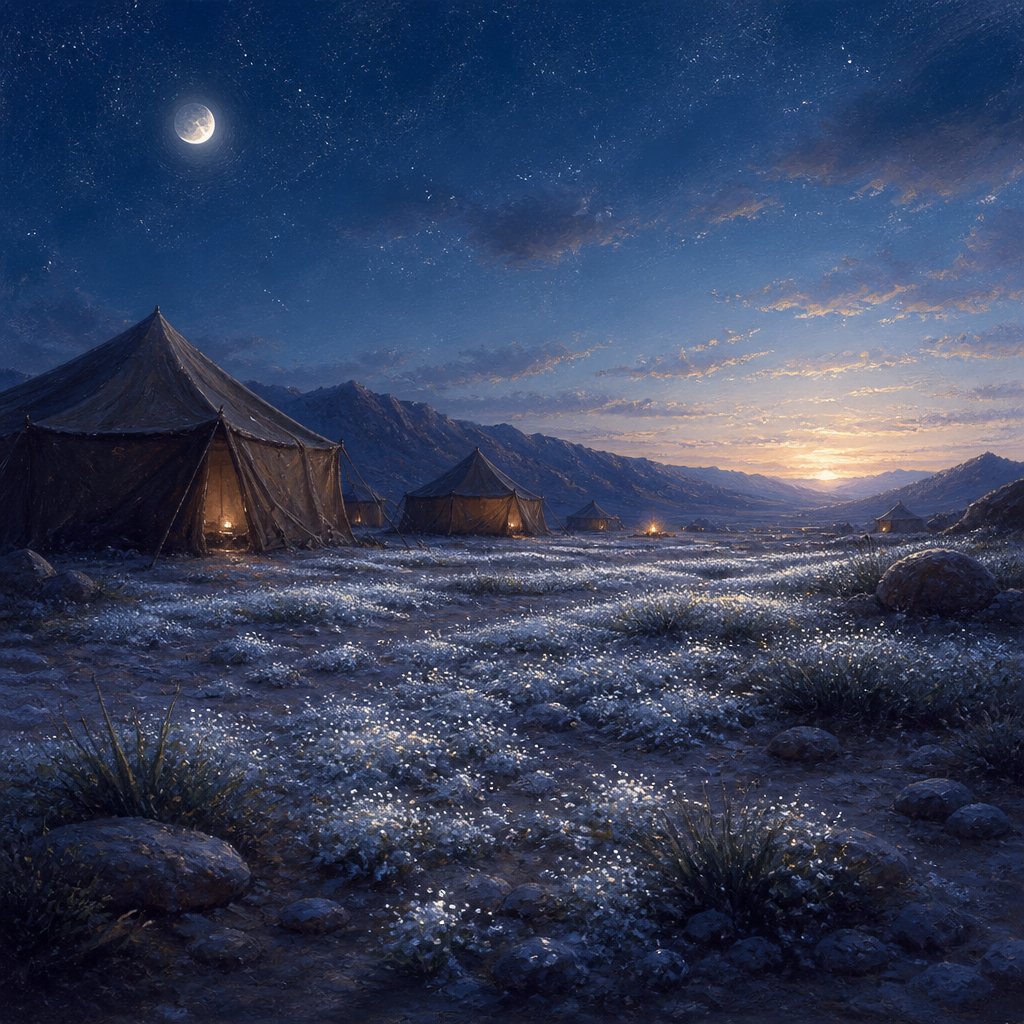
In Numbers 11:9, we read, "And when the dew fell upon the camp in the night, the manna fell upon it." This profound verse encapsulates a moment in Israel's journey through the wilderness, a time marked by both physical need and spiritual challenge. The passage unveils a rich tapestry of God’s provision, illustrating how the mundane rhythms of nature can become the canvas for the miraculous.
To comprehend the significance of manna, we must first understand the context of the Israelites' plight. Having been freed from the oppression of Egypt, they wandered through a parched land, facing fatigue and hunger. Their journey was not just a physical exodus but a spiritual pilgrimage toward a promised inheritance. Yet, amid their struggles, doubts began to arise; their bellies would grumble, and their hearts would long for the comforts of Egypt. They questioned God’s wisdom in delivering them into desolation, and their perspective on the journey dimmed under the weight of their immediate needs.
Here enters the dew and the divine miracle of manna. Throughout the night, as darkness enveloped the camp, God was at work—a gentle dew fell, refreshing the earth and creating a fertile ground for His provision. Manna appeared as a result of this dew, embodying not just sustenance but the very faithfulness of God. The contrast between human despair and divine care could not be more vivid. In the silence of the night, while the people slept, God ensured they would wake up with all they needed for the coming day. Here lies a critical truth: God often works in the night—those dark seasons of uncertainty and lack—when we least expect His hand.
Theologically, manna represents more than mere food; it is a foreshadowing of Christ, the Bread of Life. In John 6:35, Jesus declares, "I am the bread of life: he that cometh to me shall never hunger; and he that believeth on me shall never thirst." As the Israelites received manna each morning, believers today are invited to partake in the deeper nourishment that Christ provides. Just as God provided for the Israelites in the wilderness, so too does He meet our needs when we trust in Him.
Moreover, the act of gathering the manna each morning served as a reminder of dependency on God. Each person was instructed to collect only what they needed for the day, cultivating a spirit of trust and reliance upon God’s daily provision. This principle speaks to us in our contemporary context, where the temptation to hoard resources leads to anxiety and distrust. God desires for us to approach Him daily, acknowledging our needs while emphasizing His faithfulness.
Additionally, the dew itself symbolizes the gentleness of God’s blessings. Dew is subtle yet powerful, quietly refreshing the ground and bringing life to the dry earth. In our spiritual journey, we may overlook the small yet significant ways God nourishes us—through answered prayers, the support of others, or the stillness of His presence amid chaos. We must cultivate an awareness of these moments and allow them to draw us closer to Him.
Consider, too, that the dew fell at night, a time often associated with fear or despair. How often do we find ourselves in dark nights of the soul, feeling abandoned and alone? Yet, it is during these times that God may be preparing the fullness of His provision. The dew signifies hope—in the midst of darkness, God’s promise of sustenance constantly envelops us.
In conclusion, Numbers 11:9 is not merely an account of physical sustenance; it is an invitation to recognize God’s daily provision in our lives. As we reflect on the manna provided each morning, let us strive to live in faith, knowing that God’s goodness and mercy accompany us on our journey. May we wake each day awaiting the dew of His blessings, confident that He who calls us into the wilderness is faithful to sustain us with every step we take. Let the sweetness of His provision fill our hearts, reminding us that we are never alone on this journey.
Get our apps


Artwork for Numbers 11:9

Numbers 11:9 - "And when the dew fell upon the camp in the night, the manna fell upon it."
"And when the dew fell upon the camp in the night, the manna fell upon it." - Numbers 11:9

Numbers 9:11 - "The fourteenth day of the second month at even they shall keep it, and eat it with unleavened bread and bitter herbs."

Numbers 11. 4 to 6
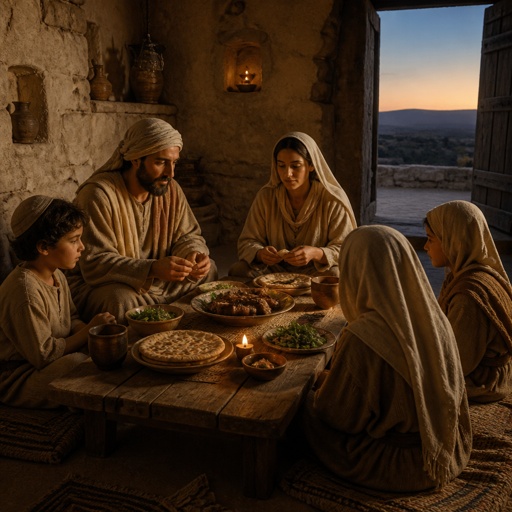
"The fourteenth day of the second month at even they shall keep it, and eat it with unleavened bread and bitter herbs." - Numbers 9:11

Numbers 11

Numbers 9:9 - "¶ And the LORD spake unto Moses, saying,"

Numbers 11:17

Numbers 11 quail

Numbers 11:15

Numbers 11:5

Numbers 11:16-26

Numbers 7:1-9

Numbers 1:11 - "Of Benjamin; Abidan the son of Gideoni."

Numbers 26:11 - "Notwithstanding the children of Korah died not."

Numbers 1:9 - "Of Zebulun; Eliab the son of Helon."

"¶ And the LORD spake unto Moses, saying," - Numbers 9:9

Numbers 35:9 - "¶ And the LORD spake unto Moses, saying,"

Numbers 5:11 - "¶ And the LORD spake unto Moses, saying,"

Numbers 3:11 - "And the LORD spake unto Moses, saying,"

Numbers 13:9 - "Of the tribe of Benjamin, Palti the son of Raphu."

Numbers 11 dead quail Moses

Numbers 11:7 - "And the manna was as coriander seed, and the colour thereof as the colour of bdellium."

Numbers 12:9 - "And the anger of the LORD was kindled against them; and he departed."

Numbers 25:9 - "And those that died in the plague were twenty and four thousand."

Numbers 33:11 - "And they removed from the Red sea, and encamped in the wilderness of Sin."

Numbers 11:30 - "And Moses gat him into the camp, he and the elders of Israel."

Numbers 9:16 - "So it was alway: the cloud covered it by day, and the appearance of fire by night."

Numbers 22:9 - "And God came unto Balaam, and said, What men are these with thee?"

Numbers 13:11 - "Of the tribe of Joseph, namely, of the tribe of Manasseh, Gaddi the son of Susi."